

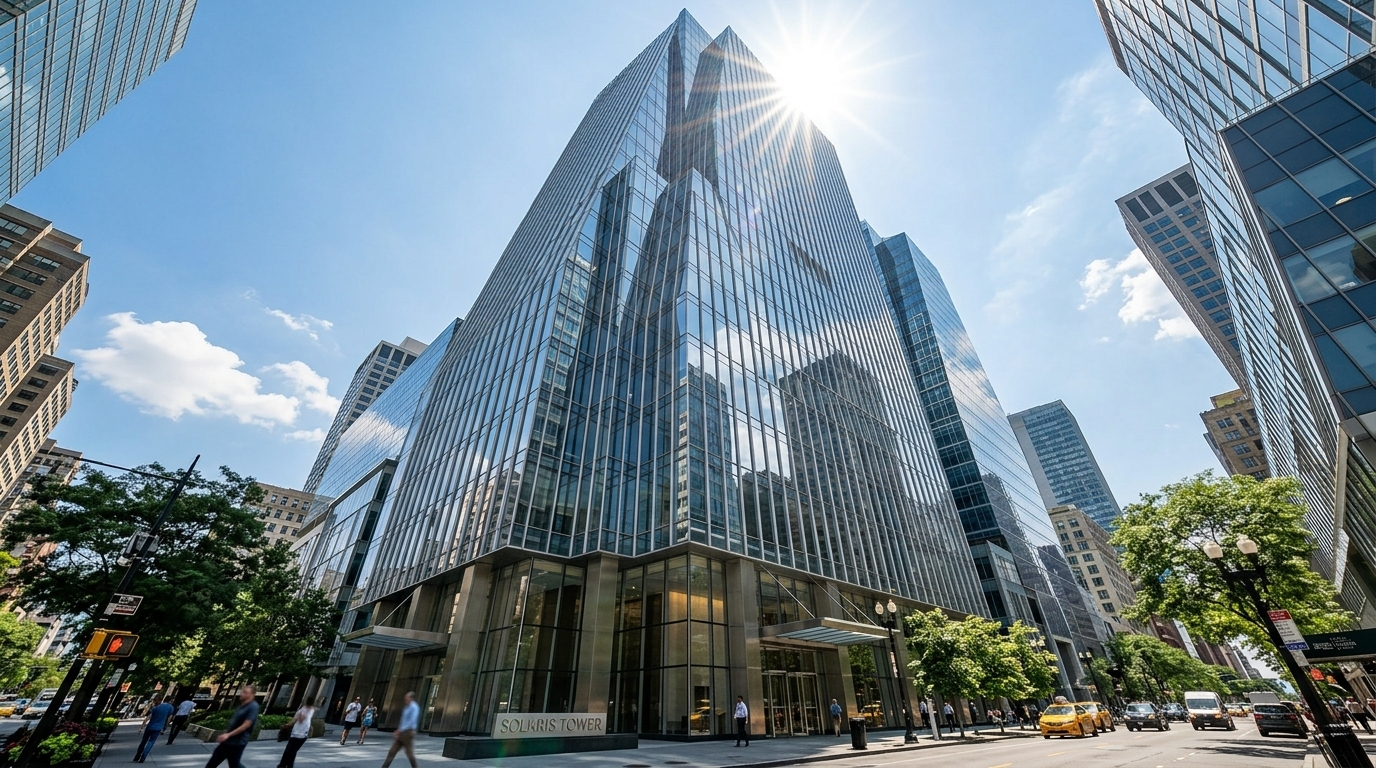
Commercial building perimeter zones routinely suffer from intense solar heat spikes that overwhelm central HVAC systems. When afternoon sunlight strikes unshaded architectural glass, perimeter office temperatures can surge past 85°F even while interior core zones remain uncomfortably chilly.
Understanding how solar radiation impacts commercial building envelopes enables property managers and mechanical engineers to eliminate chronic hot spots permanently.
Large architectural window facades and glass curtain walls act as giant solar collectors throughout warm summer months. Incoming solar energy penetrates standard glass instantly, converting radiant light into trapped convective thermal energy.
This localized heat buildup creates sharp temperature spikes along perimeter zones that outpace the cooling capacity of dedicated air handlers.
Solar radiation consists of ultraviolet rays, visible light, and invisible near-infrared wavelengths. Infrared radiation and absorbed visible light account for the vast majority of radiant heat entering commercial spaces.
When raw solar energy strikes untreated commercial glazing, a significant portion transmits directly into perimeter offices. Interior surfaces such as carpet, drywall, and furniture absorb this shortwave radiation and re-radiate it as longwave heat that cannot escape back through the glass.
This greenhouse effect causes localized ambient air temperatures to spike rapidly along south-facing and west-facing elevations. Property managers can review our analysis on commercial glass curtain wall overheating to examine broader facade dynamics.
Many building operators assume standard double-pane insulated glass units (IGUs) provide adequate defense against summer solar heat spikes. While double-pane glass provides baseline conductive insulation against outdoor ambient air, standard clear IGUs remain highly transparent to radiant solar heat.
Standard Low-E coatings applied during factory manufacturing are primarily engineered to reflect radiant interior heat back indoors during cold winter months. Without a dedicated solar control coating, high solar heat gain coefficients (SHGC) allow excessive radiant energy to flood interior perimeter zones.
Older commercial buildings with aging clear float glass experience even higher thermal penetration rates. Upgrading this glass envelope without structural window replacement is essential to stopping chronic temperature spikes.
Perimeter heat spikes create severe mechanical stress across commercial central plant infrastructure. Cooling systems must run continuously at maximum output to counteract localized perimeter solar loads.
This continuous mechanical strain degrades equipment lifespan and dramatically drives up commercial operating costs.
Variable Air Volume (VAV) terminal boxes serving perimeter window zones quickly become fully saturated during afternoon solar peaks. Thermostats call for continuous maximum CFM airflow, yet the incoming air cannot dissipate radiant heat fast enough.
This localized demand forces central chillers, cooling towers, and rooftop compressors to cycle continuously at peak capacity. Uneven thermal loading creates massive building imbalances, leaving interior core occupants freezing while window-line staff suffer through intense heat.
Facilities facing these chronic airflow struggles can explore engineering solutions in our guide on office perimeter zone temperature imbalance.
Commercial utility billing structures penalize properties heavily for peak electrical demand spikes. When hundreds of perimeter VAV boxes call for maximum cooling simultaneously between 1 PM and 5 PM, building electrical draw hits peak levels.
Utility providers calculate monthly demand ratchet charges based on these brief peak consumption intervals. A single severe heat spike during an August heatwave can inflate commercial electric bills for an entire billing quarter.
Mitigating perimeter solar heat gain at the glass boundary flattens these volatile demand spikes, yielding substantial utility savings. Facility managers can review our detailed report on commercial building decarbonization window film for compliance insights.

Tenant thermal comfort is a leading driver of lease renewals and workplace productivity. Uncontrolled perimeter heat spikes generate frequent maintenance hot-calls that drain facility engineering resources.
Employees seated near exposed window lines experience direct radiant heat on their skin, causing physical fatigue and visual screen glare.
| Office Perimeter Issue | Root Architectural Cause | Impact on Occupants & Facility | Window Film Mitigation Result |
|---|---|---|---|
| Perimeter Hot Spots | Unfiltered solar infrared transmission | Perimeter desks reach 82°F to 88°F | Cuts solar heat gain up to 78% |
| Blinding Screen Glare | Excessive visible light transmittance (VLT) | Eye strain, closed blinds, lost daylight | Reduces harsh glare up to 84% |
| Interior Overcooling | Thermostat compensation for perimeter heat | Interior offices drop below 66°F | Balances whole-floor thermal distribution |
| HVAC Equipment Strain | Constant peak chiller and fan operation | Premature compressor burnout and high bills | Lowers chiller run-hours significantly |
When tenants close window blinds to block heat, perimeter spaces lose all architectural connection to natural daylight and outdoor views. Resolving this issue requires stopping the heat before it enters the room while preserving natural light.
Learn how property managers resolve tenant complaints in our case study on reducing tenant temperature complaints.
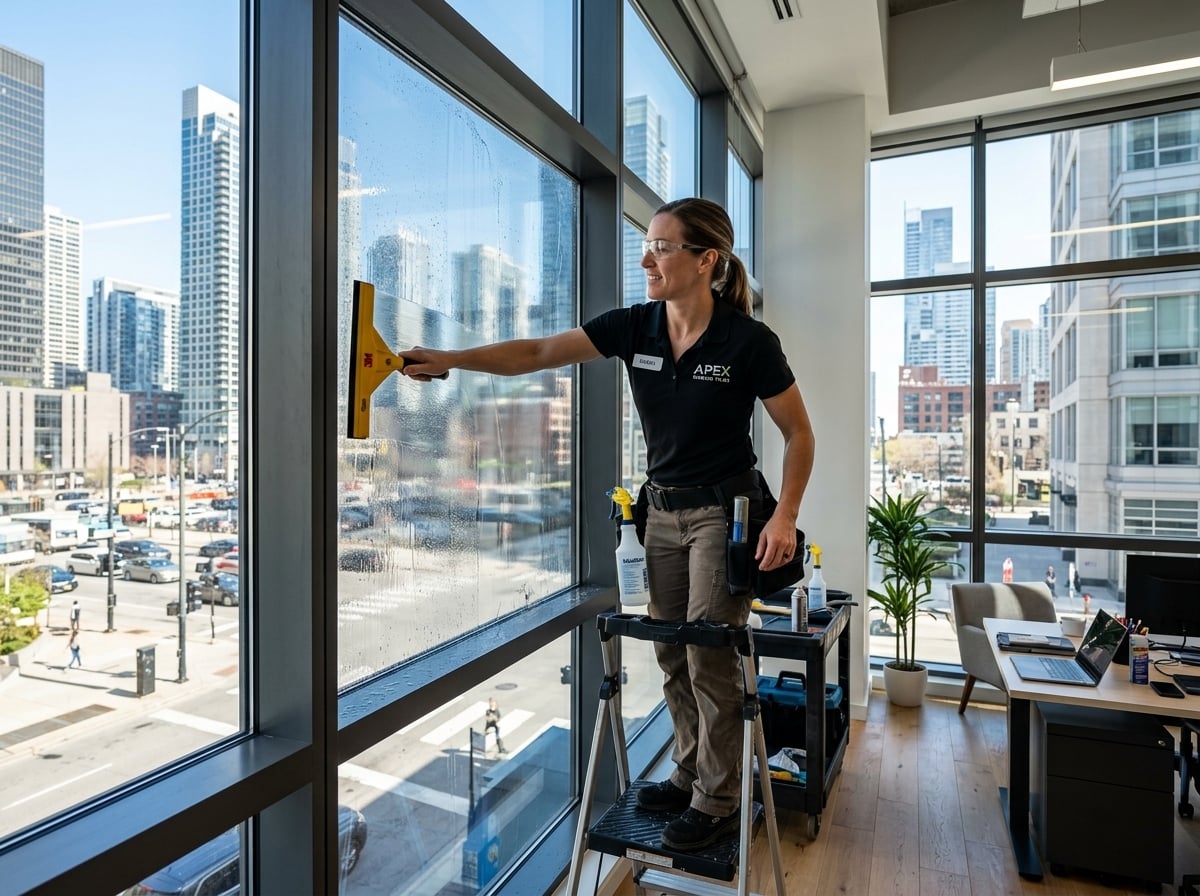
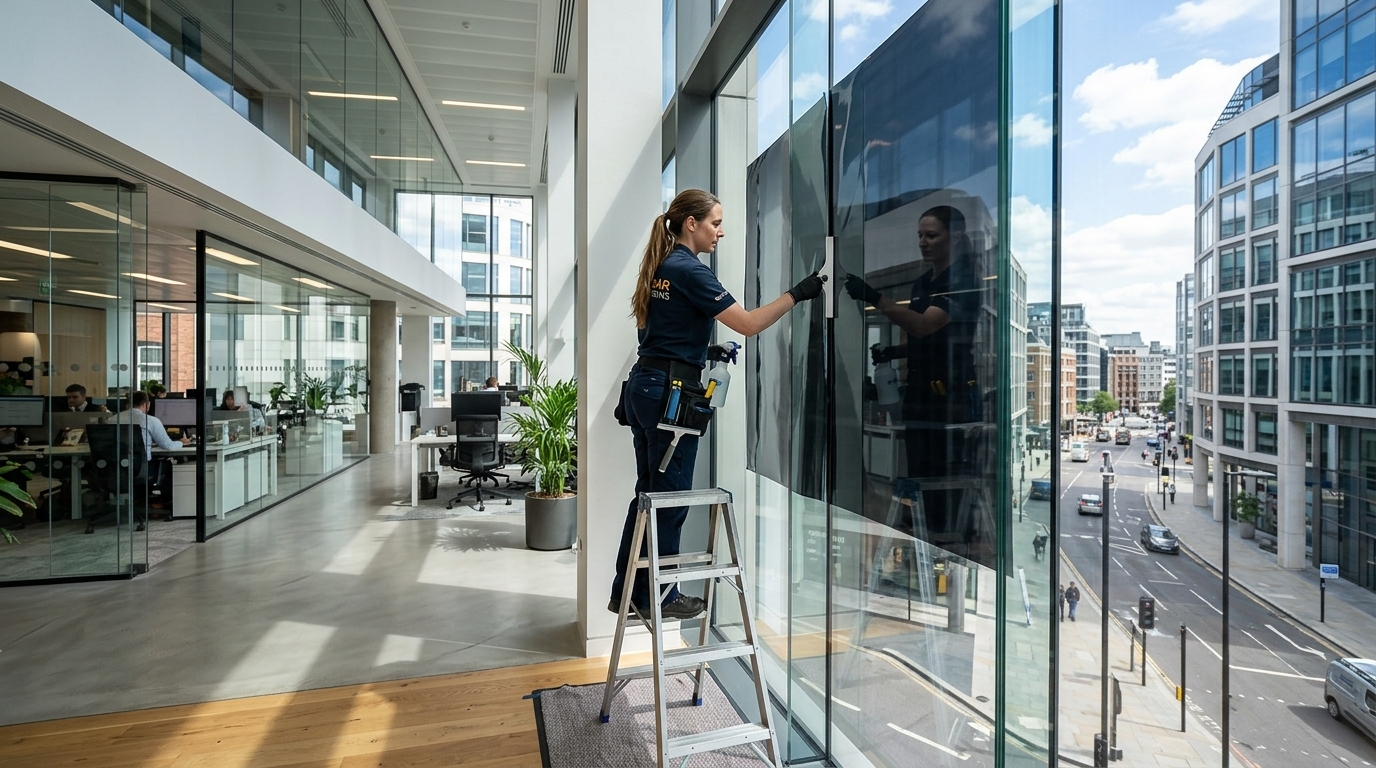
Architectural solar control window film installs directly onto existing commercial glass surfaces to create a high-efficiency thermal barrier. Rather than absorbing heat and reradiating it into interior air, performance films reflect solar energy harmlessly back outside.
This passive retrofit technology transforms existing single-pane or double-pane windows into high-performance glazing systems without structural alteration.
Spectrally selective window films utilize multi-layer optical stacks and advanced ceramic coatings to target specific portions of the solar spectrum. Because more than half of solar heat arrives in the invisible infrared band, these films selectively block infrared heat while transmitting high levels of natural daylight.
This optical engineering allows commercial facilities to maintain bright, daylight-harvested work environments without the suffocating heat. Spectrally selective films do not alter the exterior architectural aesthetic or create a mirrored look on corporate facades.
They reduce Solar Heat Gain Coefficients (SHGC) dramatically, cutting total solar heat entering perimeter zones by up to sixty-five percent. Occupants enjoy comfortable 72°F perimeter desk temperatures even during peak afternoon sunlight.
Dual-reflective window films combine high exterior solar reflectance with low interior reflectance. The exterior metallized layer bounces away intense solar radiation and cuts harsh visual glare by up to eighty-four percent.
The interior face features a subtle, non-reflective appearance that prevents mirror-like nighttime reflections for occupants inside. Dual-reflective films represent an exceptional solution for high-exposure suburban office parks and south-facing curtain walls suffering from extreme solar exposure.
By moderating both heat and blinding brightness, these films allow employees to open window blinds and enjoy panoramic outdoor views comfortably. For deeper technical specifications, read our comparison of spectrally selective vs dual-reflective window film.
Building owners facing chronic perimeter heat spikes generally evaluate three potential corrective actions. Comparing the capital costs, operational effectiveness, and tenant impacts highlights why window film retrofits deliver the highest return.
Automated motorized solar shades block direct sunlight but trap thermal energy between the fabric and window glass. This heat quickly warms surrounding air through convection, entering perimeter offices despite shade deployment.
HVAC re-ducting and zoning modifications require extensive mechanical engineering, ceiling demolition, and tenant relocation. These mechanical overhauls cost tens of thousands of dollars per floor and fail to stop solar heat from entering the building envelope in the first place.
Architectural solar window film addresses the root cause of heat spikes by stopping solar radiation directly at the glass surface. Installation takes place quickly with zero tenant disruption, delivering immediate thermal comfort and measurable utility savings.
Commercial properties must comply with increasingly stringent regional energy conservation standards, including ASHRAE Standard 90.1 energy codes. Upgrading glazed building envelopes with solar control film offers a direct path toward achieving these rigorous efficiency benchmarks.
Window film dramatically lowers the Solar Heat Gain Coefficient (SHGC) of commercial glazing systems without requiring expensive frame replacement. By reducing SHGC values from an inefficient 0.70 down to an optimized 0.28, building envelopes satisfy modern building performance standards effortlessly.
Facilities undergoing LEED certification or Energy Star recertification earn valuable points through glass envelope thermal optimization. Reduced peak cooling demand lowers overall Energy Use Intensity (EUI), boosting asset valuation for property portfolios.
Sustainable building owners can review our comprehensive guide on meeting green building daylighting and energy goals to align envelope retrofits with environmental targets.
Here are answers to common questions commercial property managers ask when evaluating window film retrofits for perimeter heat mitigation.
These insights help facility teams make confident, data-backed decisions.
Yes, advanced spectrally selective ceramic window films reject substantial solar heat while maintaining high visible light transmittance. These films selectively target invisible infrared heat wavelengths rather than blocking visible daylight.
Offices retain abundant natural light, open views, and bright interior aesthetics while eliminating 10°F to 15°F afternoon temperature spikes.
Commercial solar window film installations typically reduce annual HVAC cooling energy consumption by fifteen to twenty-five percent. In buildings with high window-to-wall ratios, energy modeling often shows peak cooling demand reductions of up to thirty percent.
The resulting utility savings deliver complete capital payback within two to four years across most commercial climate zones.
Professional architectural window film dealers perform rigorous glass-to-film compatibility assessments before specifying any product. Films are carefully matched to the glass thickness, pane type, tint, and altitude of the installation.
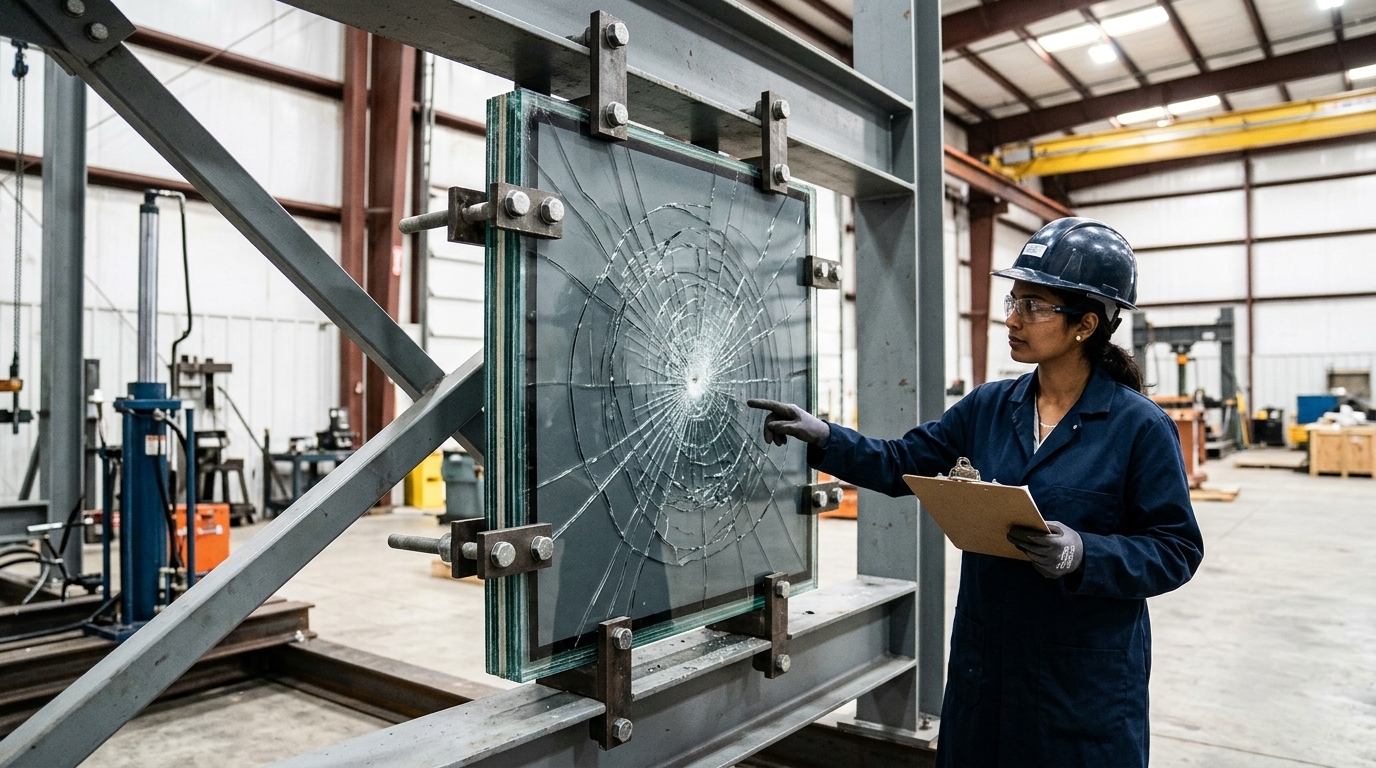
Quality architectural films manufactured by brands such as 3M carry comprehensive commercial manufacturer warranties that protect both the film and the underlying glass unit against thermal shock breakage.
In the morning, low-angle eastern sun penetrates windows directly, creating early temperature imbalances. By midday, high sun angles produce intense overhead radiation that impacts horizontal skylights and south-facing curtain walls.
Late afternoon western sun strikes vertical glass at direct, low-angle perpendicular trajectories. This direct angle maximizes solar penetration precisely when outdoor ambient temperatures reach their peak, creating severe heat spikes.
Architectural solar control film is engineered to handle these dynamic angle shifts throughout the entire solar day. Multiplying passive thermal reflection ensures consistent perimeter comfort from sunrise to sunset.
Perimeter window heat spikes compromise tenant satisfaction, strain critical HVAC plant equipment, and inflate commercial electric bills. Upgrading your building envelope with high-performance solar control window film eliminates chronic temperature imbalances at a fraction of glazing replacement costs.
Experienced commercial specialists evaluate your building orientation, glass specifications, and mechanical zones to recommend the optimal film solution. To schedule a comprehensive commercial property assessment and solar heat reduction analysis, contact American Window Film.
No Comments Yet
Let us know what you think