

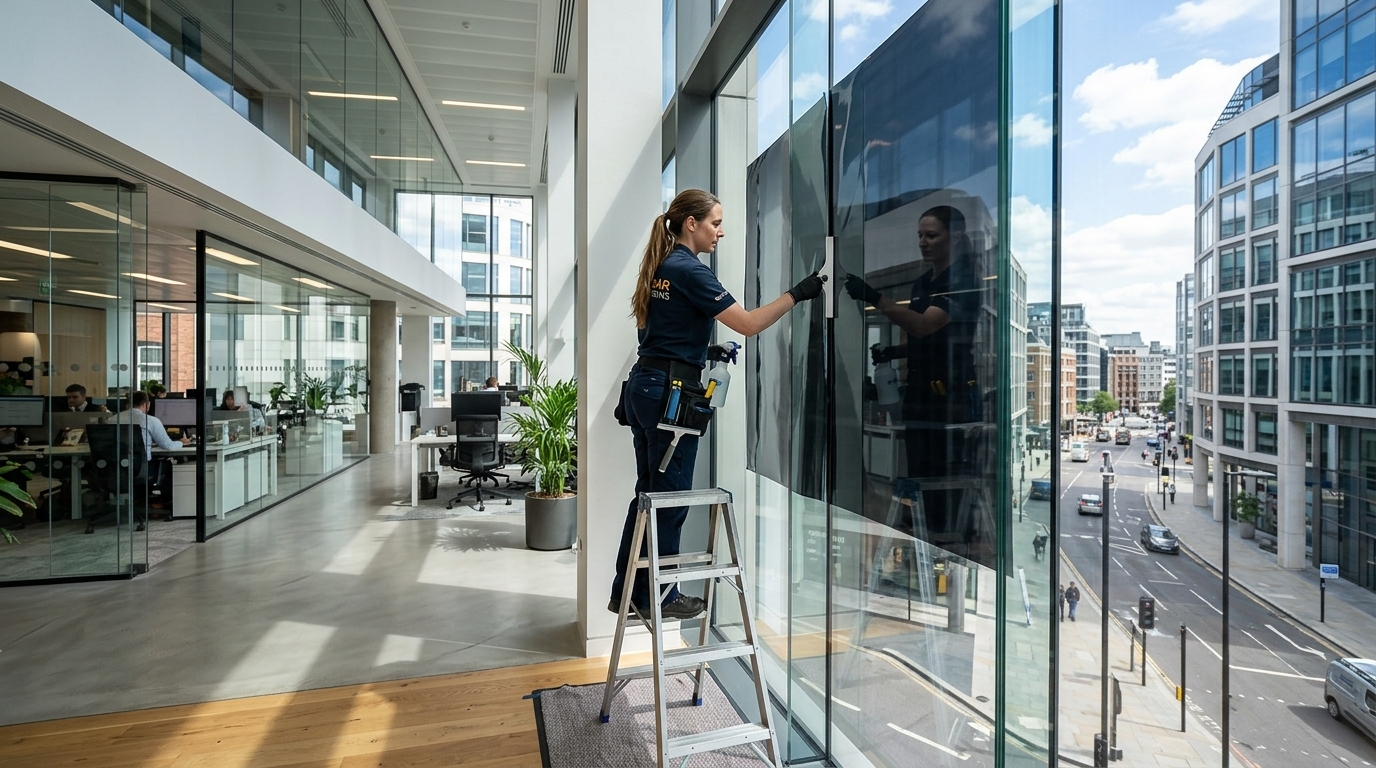
Commercial window tinting typically costs between $6 and $18 per square foot installed for commercial buildings, office complexes, and retail storefronts. Understanding these pricing tiers helps facility executives, building owners, and property managers budget capital improvements accurately.
This comprehensive guide breaks down flat glass installation rates by film type, glass accessibility, labor factors, and long-term energy return on investment.
Commercial window film installation pricing ranges from $6 to $18 per square foot on average across the United States. Entry-level solar films occupy the lower end of that range, while heavy-duty security laminates and spectrally selective ceramics command higher pricing.
Pricing depends heavily on project scale, architectural glass accessibility, and specific performance specifications. Large-scale office towers often secure volume discounts that lower the net rate per square foot significantly.
| Window Film Category | Installed Cost Per Sq. Ft. | Primary Performance Benefit | Typical Commercial Application |
|---|---|---|---|
| Dual-Reflective Solar Film | $6 – $10 | High heat rejection and daytime glare reduction | Suburban office parks, west-facing curtain walls |
| Spectrally Selective / Ceramic | $11 – $18 | High infrared rejection with neutral, clear aesthetics | Luxury retail storefronts, historical properties, Class A towers |
| Safety & Security Film (8 to 14 Mil) | $9 – $18 | Glass fragment retention, smash-and-grab delay | Ground-floor storefronts, schools, government buildings |
| Sacrificial Anti-Graffiti Film | $8 – $13 | Scratch, paint, and acid-etching surface protection | Urban transit shelters, street-level retail, public elevators |
| Decorative & Frosted Privacy Film | $9 – $16 | Conference room privacy, visual distraction banding | Interior office demising walls, executive suites, clinics |
Every building envelope features unique physical demands. The specific film chemistry and structural glass environment directly determine overall capital expenditure.
Commercial facility leaders evaluating overall envelope investments can also review commercial window tinting solutions to compare broader system capabilities across building types.
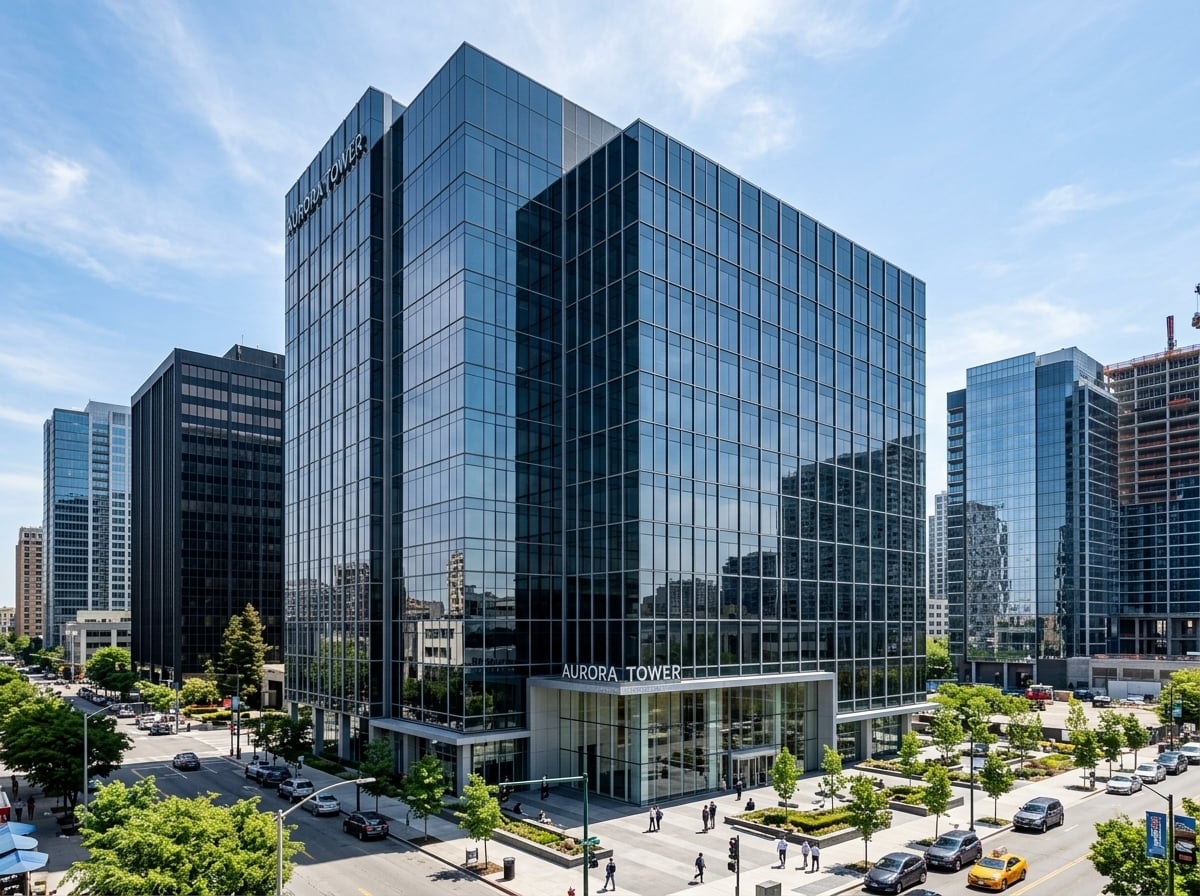
Different window film technologies require specialized raw materials, precision manufacturing, and skilled installation techniques. Analyzing these product tiers ensures you select the correct film for your facility performance goals.
Understanding the engineering behind each film type explains the variance in installed pricing.
Dual-reflective solar control films represent the most common and cost-effective commercial installation. These films utilize a mirrored exterior face to reflect intense solar radiation while maintaining an optically subtle interior face.
The lower interior reflectance allows building occupants to see outdoors clearly, even after dusk. These films generally cost between $6 and $10 per square foot installed on accessible perimeter windows.
They excel at cutting massive heat spikes along unshaded building elevations. Property managers choose dual-reflective films when mitigating afternoon tenant heat grievances is the primary objective.
Spectrally selective ceramic films utilize advanced nano-ceramic chemistry to isolate and reflect invisible infrared heat rays. Unlike traditional metallic films, ceramic films do not darken interior spaces or create mirrored exterior glare.
This optical sophistication commands higher production costs, driving installed pricing between $11 and $18 per square foot. These films are favored by Class A office towers and luxury retailers where crystal-clear visual clarity is non-negotiable.
Ceramic films allow natural daylight to flood building interiors while rejecting over eighty percent of infrared thermal energy. They preserve architectural facades without violating municipal reflection ordinances or homeowner association guidelines.
Facility directors can discover deeper technical breakdowns regarding visible light versus solar performance in our guide on VLT vs SHGC vs TSER window film specifications.
Safety and security films are heavy-duty micro-layered polyester laminates engineered to hold shattered glass together under severe impact. Standard commercial security films range from 8 mil to 14 mil in thickness.
Installed material pricing typically ranges from $9 to $15 per square foot for basic glazing installation. When anchored to window frames using structural silicone wet-glaze attachment systems, pricing increases to $14 to $18 per square foot.
Structural wet-glaze anchoring bonds the filmed glass directly to the commercial aluminum mullions. This containment prevents the entire shattered pane from blowing into the room during blast events or forced entry attempts.
Institutions prioritizing perimeter glass defense can review our detailed breakdown of security window film thickness specifications to select appropriate mil ratings.
Sacrificial anti-graffiti films protect exterior glass surfaces from street vandalism, gouging, paint tagging, and intentional acid etching. These 4 mil to 6 mil clear films act as a protective skin over expensive architectural float glass.
Installation generally costs between $8 and $13 per square foot for street-level retail display glass. When vandalized, certified technicians peel the damaged sacrificial layer away and apply a fresh sheet in minutes.
This quick replacement process saves thousands of dollars compared to replacing etched structural storefront glass units. Urban storefronts, transit terminals, and public restrooms benefit immensely from ongoing anti-graffiti protection programs.
Explore how retail businesses protect storefront investments with commercial anti-graffiti film.
Interior decorative window films transform clear office partitions into private, functional meeting spaces. Options include dusted crystal, matte frost, custom distraction patterns, and full-coverage privacy bands.
Standard frosted privacy bands cost between $9 and $13 per square foot installed across interior perimeter glass. Custom plotter-cut logos, gradient patterns, and architect-specified graphic designs run between $13 and $16 per square foot.
These architectural films eliminate visual distractions in conference rooms without blocking natural ambient daylight. They cost a fraction of factory-etched glass or motorized privacy shade installations.
Square footage is only the baseline starting point for an accurate commercial installation estimate. Professional architectural window film contractors evaluate several environmental and physical site conditions during the scoping phase.
Careful site audits protect facility budgets from unexpected change orders during field execution.
Total project size plays an enormous role in determining final unit costs. A boutique storefront with two hundred square feet of glass requires mobbing crews, staging ladders, and travel overhead, resulting in higher square-foot pricing.
Conversely, a multi-story commercial office building exceeding ten thousand square feet allows installation crews to operate at maximum efficiency. Volume economies of scale reduce square-foot pricing by twenty to thirty percent across large projects.
Contractors pass supply-chain film roll savings and optimized field labor directly to commercial clients. Scheduling comprehensive building envelope retrofits in single phases yields the best possible unit price.
The physical dimensions of individual glass panes significantly impact daily installation labor rates. Large, uniform rectangular vision panes allow installers to trim and lay film rapidly with minimal scrap waste.
Small, multi-lite divided window grids require intensive hand-trimming around hundreds of individual caulked frames. This intricate labor slows down production rates, increasing overall installation costs per square foot.
Atrium skylights, curved glass elevations, and non-standard geometric shapes also require custom template fabrication. Facility managers should anticipate higher labor fees on architectural facades with intricate divided framing.
Standard interior window film installation assumes technicians can reach all glass surfaces safely from floor level or standard step ladders. Glass located higher than ten feet off the finished floor requires specialized access equipment.
Projects involving multistory glass atriums, high-ceiling lobbies, or perimeter mezzanines require scissor lifts, articulating boom lifts, or modular staging scaffolding. Renting, delivering, and maneuvering heavy lift equipment introduces direct site expenses.
Installers operating on scissor lifts require additional safety harnesses, spotting personnel, and floor protection boards. These equipment and safety requirements naturally increase project labor totals.
Installing new high-performance window film requires an immaculate, contaminant-free glass substrate. If windows have older, degrading tint that has turned purple, bubbled, or oxidized, it must be completely removed first.
Professional film removal and adhesive scraping typically adds $2 to $5 per square foot to project costs. Technicians must dissolve hardened acrylic adhesive using specialized non-toxic scraping agents without scratching fragile architectural glass.
Even on untreated glass, decades of paint overspray, silicone residue, and airborne grime demand thorough mechanical razor scraping. Pristine surface preparation ensures manufacturer warranties remain fully valid.
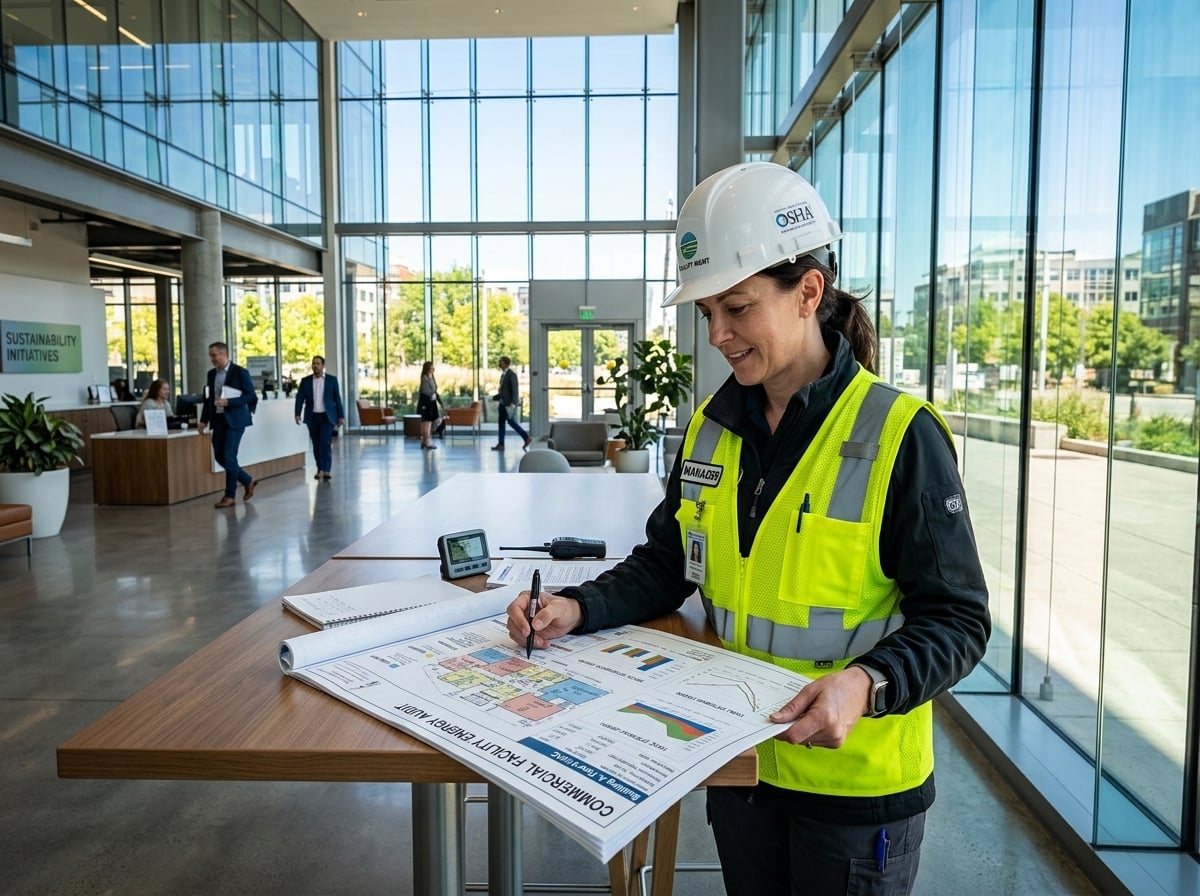
Commercial property owners facing high HVAC cooling bills often debate whether to replace old windows or retrofit them with architectural film. An objective financial comparison reveals a massive difference in capital expenditure and operational downtime.
Replacing commercial insulated glass units (IGUs) or curtain wall systems costs between $80 and $250 per square foot installed. Commercial window film retrofits achieve comparable solar control performance for $6 to $18 per square foot.
Full window replacement forces tenant disruption, dust, scaffolding permits, crane rentals, and significant demolition waste. Installing window film happens quietly from the interior during or outside business hours without tenant relocation.
A complete envelope glass replacement project rarely achieves financial payback within fifteen years. High-efficiency solar window film retrofits typically deliver a complete return on investment through utility savings within two to four years.
Property owners facing municipal building emissions targets can evaluate how film retrofits satisfy standards in our analysis of Local Law 97 window film retrofits.
Unlike aesthetic decorative upgrades, solar control window film functions as an active energy-conservation measure that pays for itself over time. Solar heat entering unprotected commercial glazing forces chilled HVAC air systems to run continuously under severe strain.
Architectural window film rejects up to eighty percent of total solar energy before it enters interior zones. This reduction directly eliminates localized 95°F perimeter heat spikes and eases cooling loads on chillers and rooftop units.
Facilities routinely experience overall whole-building electricity consumption drops between ten and twenty-five percent during peak cooling months. The resulting utility bill savings generate a rapid financial payback period.
For property managers managing peak electricity demand spikes, lower kilowatt-hour demand charges provide immediate cash flow relief. In many climate zones, the annual utility savings completely offset total installation costs in under thirty-six months.
Discover how commercial building retrofits minimize HVAC cooling loads in our guide on commercial building decarbonization window film.
Here are answers to the most common pricing questions commercial real estate managers ask when preparing window tinting budgets.
These quick reference points clarify invoicing practices, tax incentives, and product longevity.
Commercial architectural window tinting is almost exclusively estimated and billed on a square-foot basis. Contractors measure the daylight glass area of each pane to calculate total square footage, film roll yield, and required labor hours.
Boutique retail storefronts or odd-sized custom entries may occasionally carry minimum project trip charges. However, standard commercial contracts calculate total investment using flat square-foot pricing.
Yes, commercial solar control window film frequently qualifies for federal energy incentives, including Section 179D energy-efficient commercial building tax deductions. Because window film improves overall building envelope performance and lowers annual energy consumption, qualifying buildings can claim significant tax deductions.
Many local electric utility companies provide direct prescriptive and custom cash rebates for solar heat gain reductions. Facility managers should consult their utility representative or window film contractor to secure rebate pre-approvals before installation begins.
Premium architectural commercial window films manufactured by leading brands like 3M carry expected service lifespans of fifteen to twenty years when installed on interior glass surfaces. They feature durable scratch-resistant hardcoats and inorganic ceramic or sputtered metal construction that resists bubbling and discoloration.
Most commercial installations include comprehensive ten- to fifteen-year commercial manufacturer warranties covering peeling, bubbling, delamination, and adhesive failure. Routine cleaning with approved non-abrasive detergents ensures the film maintains pristine optical performance for decades.
Budgeting for commercial window tinting requires balancing upfront material costs against long-term thermal efficiency, glare reduction, and physical asset protection. Whether you manage a boutique downtown storefront, a regional healthcare facility, or a multi-story corporate headquarters, architectural film provides superior performance at a fraction of glazing replacement costs.
A professional glazing survey provides exact square-footage measurements, glass compatibility assessments, and tailored ROI payback calculations for your property. To schedule a comprehensive commercial window film evaluation with experienced specialists, contact the team at American Window Film.


No Comments Yet
Let us know what you think