

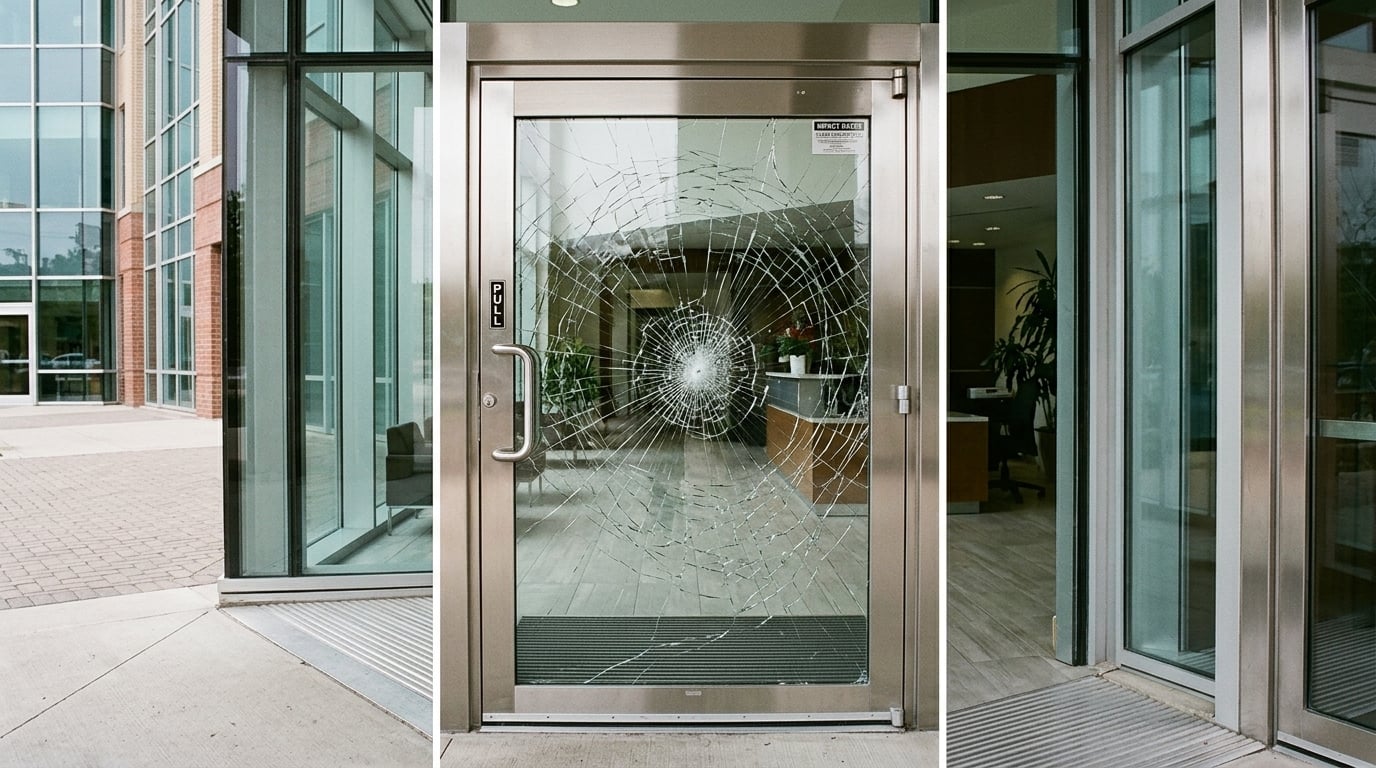
Commercial building perimeters are inherently vulnerable wherever untreated architectural glass is installed. Standard commercial annealed or tempered glass shatters within seconds under a blunt impact, leaving inventory, employees, and physical assets exposed.
Commercial security window film reinforces glass envelopes against violent forced entry, opportunistic burglaries, severe weather impacts, and industrial blast hazards.
Architectural security film transforms fragile window glass into a resilient, impact-absorbing safety barrier. The film consists of optically clear, heavy-duty polyester layers bonded with aggressive pressure-sensitive adhesives.
When an intruder strikes the glass with a hammer, crowbar, or brick, the glass pane fractures beneath the surface but remains securely bonded to the film matrix.
Premium commercial security films utilize patented multi-ply micro-layer polyester technology rather than thick single-ply plastic sheets. By cross-laminating dozens of microscopic film layers, manufacturers create a material with exceptional tensile strength and tear resistance.
This specialized micro-layer construction allows the film to stretch and absorb massive mechanical kinetic energy without puncturing. Even when repeatedly struck with heavy blunt instruments, the laminate flexes rather than tears.
Building owners can explore how these engineered materials behave under physical force in our guide on how security window film prevents glass shattering.
In any high-impact event, whether from an intentional attack, severe windstorm, or accidental explosion, flying glass shards cause the vast majority of severe occupant injuries. Untreated tempered glass shatters into thousands of flying projectiles under sudden overpressures.
Security window film acts as an invisible safety net, capturing razor-sharp fragments and holding them firmly within the window frame. This fragmentation containment protects interior occupants, sensitive equipment, and inventory from catastrophic collateral damage.
Commercial properties located in dense urban corridors or near industrial transport routes rely on this safety capability to satisfy safety audit requirements.
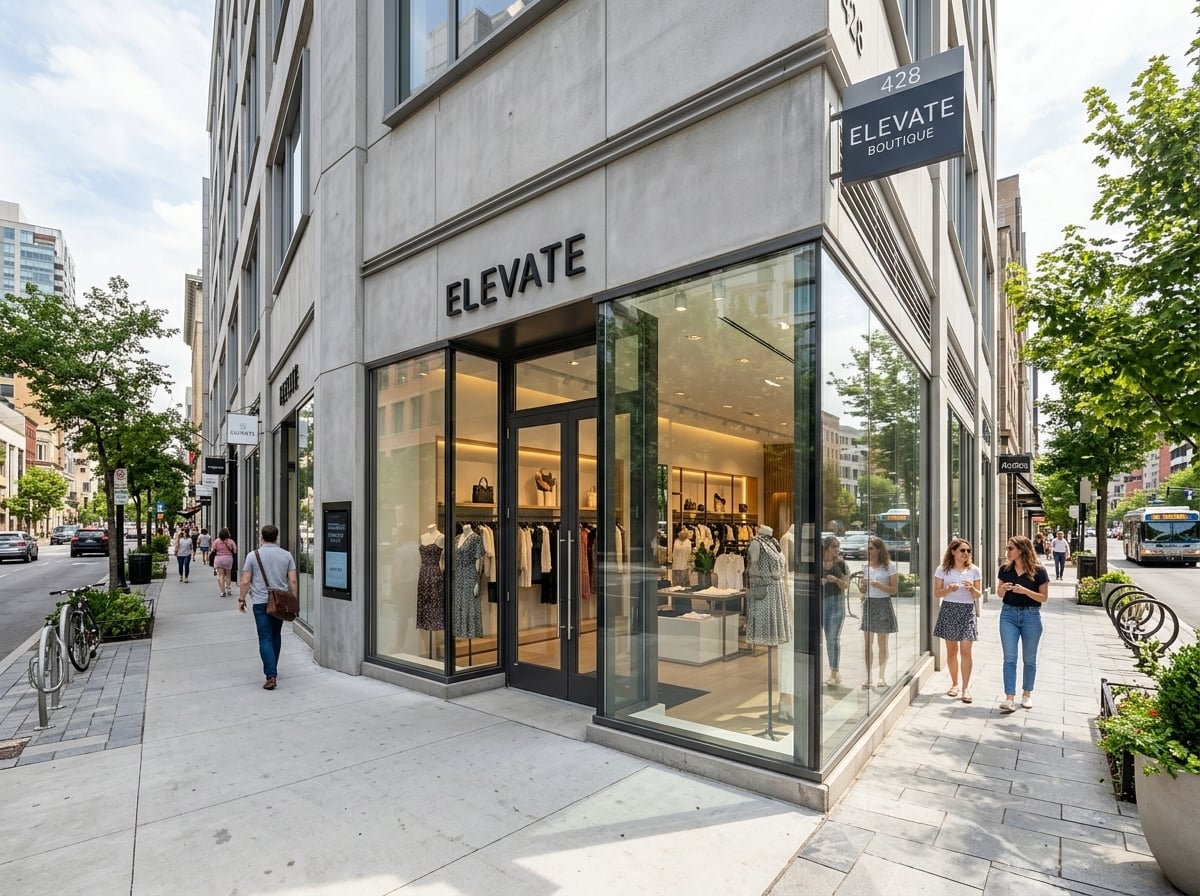
Smash-and-grab burglaries rely entirely on speed, stealth, and immediate egress. Criminals target ground-floor retail display windows and corporate entry doors, expecting glass to crumble instantly upon impact.
Commercial security window film completely disrupts this criminal operating model by denying rapid entry.
Law enforcement data confirms that property burglars typically abandon intrusion attempts if entry cannot be achieved within thirty to sixty seconds. The sound of repeated, unsuccessful strikes draws immediate attention and triggers perimeter alarm systems.
Heavy-duty security film forces perpetrators to strike the glass repeatedly without gaining immediate access. This physical delay buys critical time for police or private security teams to arrive on scene before an intruder crosses the threshold.
Retailers facing organized retail theft can examine practical deployment tactics in our analysis of security film for smash-and-grab retail theft.
Luxury retail boutiques, electronics stores, jewelry showrooms, and licensed cannabis dispensaries represent prime targets for forced entry. An unprotected glass storefront allows criminals to clear display cases and vanish within two minutes.
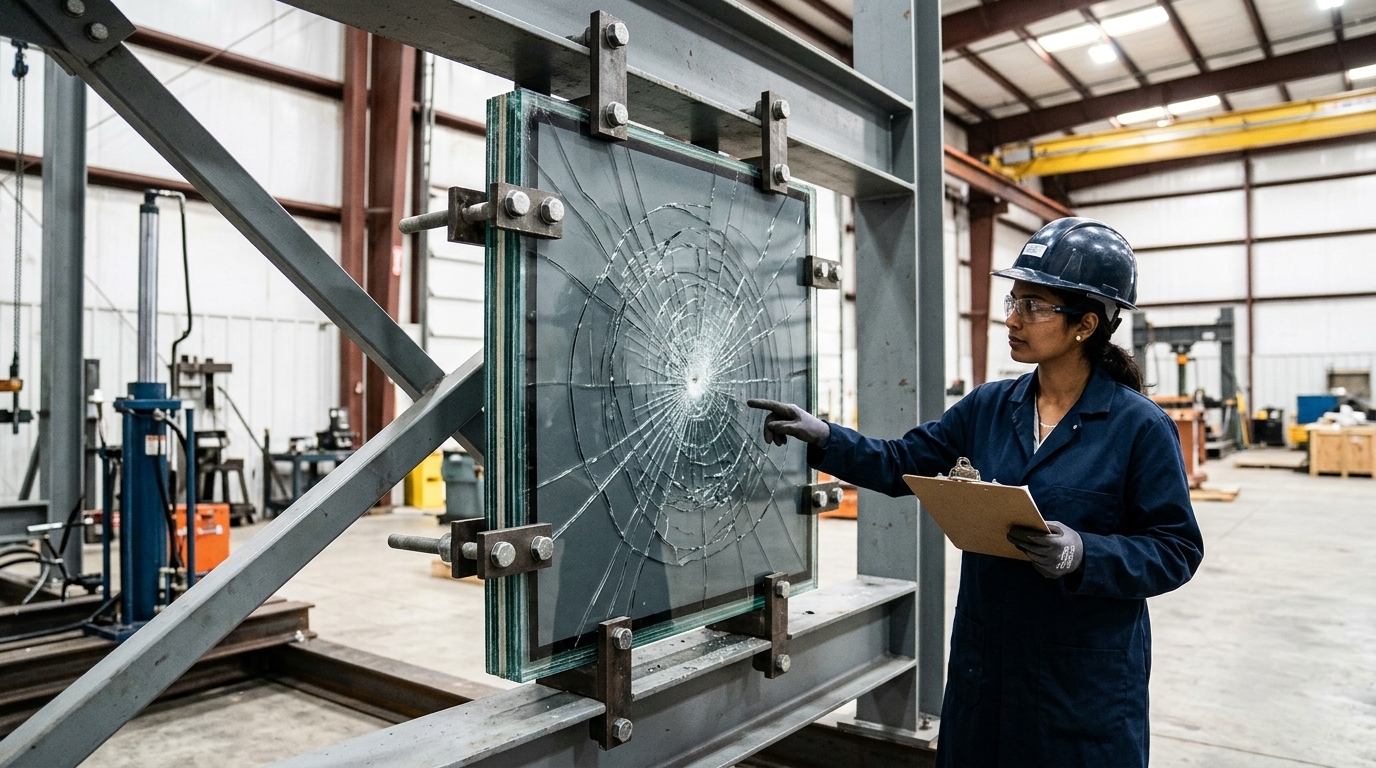
Applying commercial-grade security laminates to exterior display windows hardens the entire storefront perimeter. Even if the outer glass unit spiderwebs under multiple sledgehammer blows, the interior protective membrane holds firm against bodily entry.
This protective resilience keeps high-value merchandise secure inside the store until security personnel respond.
| Security Film Thickness | Break Strength (lbs/inch) | Target Threat Mitigation | Recommended Attachment Method |
|---|---|---|---|
| 4 Mil (Light Commercial) | 100 – 125 | Accidental human impact, seismic safety, minor vandalism | Standard daylight installation (no frame anchor) |
| 8 Mil (Standard Commercial) | 200 – 250 | Forced entry delay, smash-and-grab, severe storms | Dow Corning 995 wet-glaze structural silicone |
| 14 Mil (Maximum Security) | 350 – 450 | Bomb blast mitigation, civil unrest, repeated sledgehammer assault | Mechanical profile anchoring or heavy wet-glaze |
Selecting the correct security profile requires balancing physical threat assessments against architectural framing capabilities.
Commercial architectural security films are categorized by their physical thickness, measured in mils (thousandths of an inch). Choosing between 8 mil and 14 mil laminates depends directly on the threat profile of your facility.
Facility directors can review our complete engineering guide on security window film thickness specifications for in-depth technical comparisons.
An 8 mil security film represents the industry benchmark for commercial storefronts, suburban office parks, and educational campuses. This thickness provides an ideal balance of extreme puncture resistance, optical transparency, and rapid installation turnaround.
An 8 mil multi-ply film withstands substantial blunt trauma from bats, crowbars, and thrown projectiles. When combined with perimeter frame anchoring, it provides robust forced entry resistance for most commercial properties.
Because 8 mil film remains highly pliable during installation, it conforms smoothly across large architectural vision panes without visual distortion.
Facilities facing elevated security profiles require 14 mil heavy-duty laminates. These high-threat environments include government administrative centers, financial institutions, critical infrastructure facilities, and high-crime urban storefronts.
A 14 mil composite laminate features break strengths exceeding three hundred and fifty pounds per linear inch. This material is engineered specifically to absorb explosive shockwaves and prolonged, coordinated manual assaults.
Installing 14 mil film requires specialized handling techniques and extended adhesive curing periods due to the sheer density of the multi-ply polyester construction.
Installing high-tensile security film on glass is only half the engineering equation. Without perimeter frame anchoring, an impact simply pushes the entire shattered glass pane out of the window frame as a single sheet.
Structural attachment systems lock the filmed glass unit directly to the commercial window frame mullions.
A "daylight installation" applies security film only to the visible glass area, stopping roughly one-sixteenth of an inch from the window frame gaskets. While daylight applications keep glass shards together, they offer limited forced entry defense against heavy kicks or body weight.
Under severe impact, the unsupported perimeter edges pull away from the rubber glazing bead. The intruder easily pushes the entire fractured pane inward, stepping directly into the building.
For genuine forced entry protection, perimeter anchoring is absolutely mandatory.
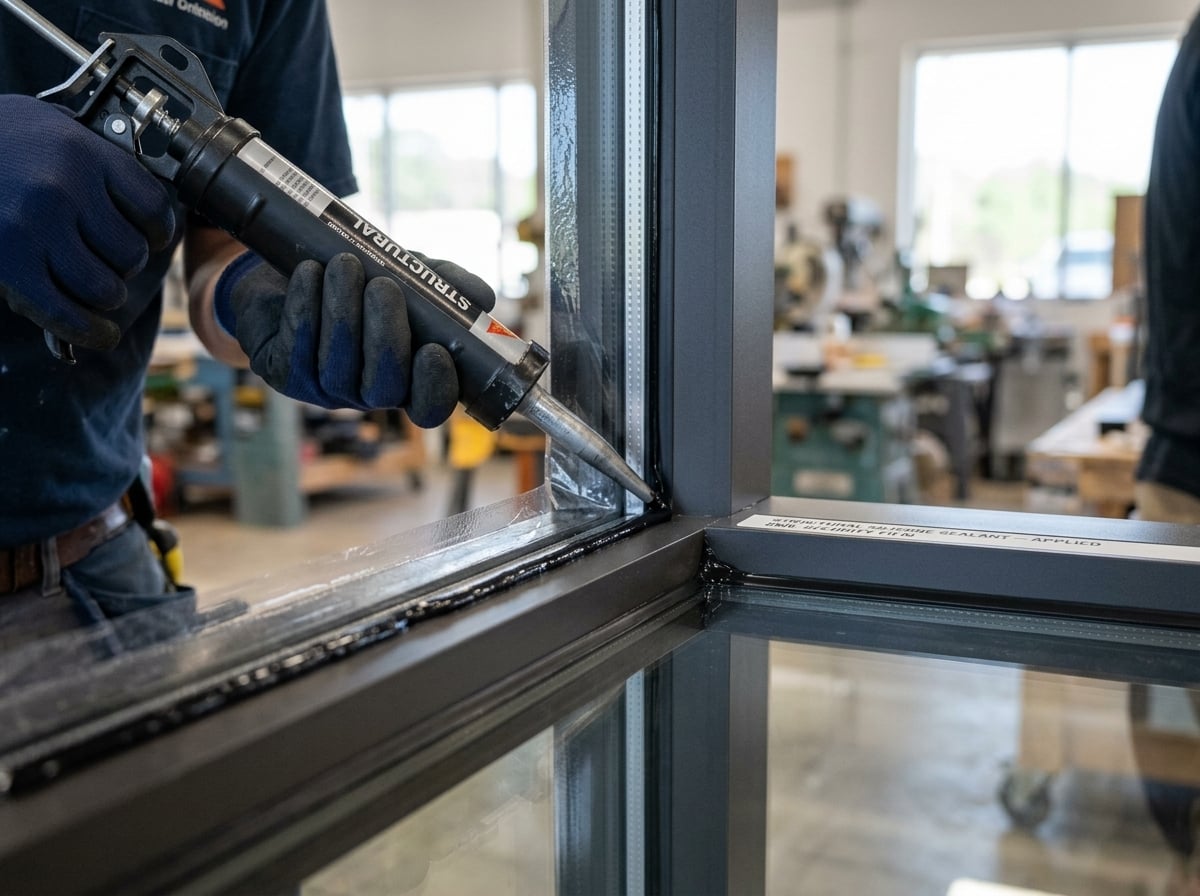
The industry standard attachment system utilizes Dow Corning 995 structural silicone sealant in a triangular wet-glaze bead. Technicians apply this high-modulus elastomer along the perimeter joint where the security film meets the aluminum window frame.
Once fully cured, the wet-glaze creates an elastic, high-strength chemical bond between the film and the framing system. When struck, impact forces transfer safely into the building structural mullions rather than collapsing the glass inward.
Mechanical clamping systems utilize specialized aluminum extrusion batten bars screwed directly into window frames. These mechanical profiles provide unmatched retention for maximum blast mitigation and severe storm protection.
Property owners frequently evaluate alternative physical hardening options, including iron security bars, motorized roll-down grilles, and factory-laminated security glass. Comparing these alternatives against security window film reveals distinct aesthetic and economic advantages.
Exterior iron security grilles give commercial storefronts a fortified, prison-like appearance that discourages customer walk-in traffic. Metal grilles can also create severe life-safety fire egress hazards during emergencies.
Factory-laminated impact glass provides outstanding structural defense, but retrofitting existing buildings requires full frame demolition and exorbitant capital costs. Commercial window film retrofits existing glass surfaces at twenty to thirty percent of the cost of glass replacement.
Security film remains completely invisible during normal business hours, maintaining welcoming, crystal-clear views for customers and employees. It works silently twenty-four hours a day without requiring manual lowering or daily operational maintenance.
Commercial security window films undergo rigorous laboratory ballistic and forced entry impact testing to achieve recognized engineering certifications. Facility managers and security consultants rely on these standardized ratings when drafting procurement specifications.
Standard ASTM F1233 evaluates forced entry resistance across various hand tools, blunt objects, and thermal implements. Certified security films demonstrate verifiable delay times under sustained physical assault.
Windstorm safety is certified under ASTM E1886 and ASTM E1996 testing standards, which measure resistance to windborne missile impacts and cyclic air pressure differentials. Filmed glazing assemblies prevent envelope breaching during severe weather events.
Federal installations demand compliance with GSA Level C and Level D blast mitigation standards. High-tensile security films prevent catastrophic glass fragment distribution inside occupied blast zones, meeting federal building security criteria.
Here are answers to common questions facility directors and business owners ask when evaluating commercial security film installations.
These details provide clarity regarding protection limits, appearance, and operational readiness.
No glass film is completely impenetrable. Given unlimited time, specialized cutting tools, and heavy machinery, an intruder will eventually bypass any architectural glass assembly.
Security window film is engineered to delay forced entry significantly, transforming a five-second intrusion into a protracted, noisy ordeal. This crucial delay forces intruders to flee or provides ample time for law enforcement to respond.
Premium architectural security films are optically clear and virtually invisible to the naked eye once cured. They do not alter interior lighting levels or distort merchandise displays in retail windows.
Many security films also incorporate UV-blocking inhibitors that reject over ninety-nine percent of solar ultraviolet radiation. This feature prevents retail merchandise, display fixtures, and carpets from premature sun fading.
Because heavy security films feature dense polyester construction and thick mounting adhesives, water used during application takes time to evaporate through the film membrane. Full curing typically takes thirty to sixty days depending on indoor ambient temperatures and humidity.
During this curing period, minor water hazing or small moisture pockets may appear temporarily. These cosmetic imperfections evaporate naturally, leaving behind pristine optical clarity and full structural bond strength.
Protecting your employees, retail inventory, and physical infrastructure begins with securing your most vulnerable perimeter barrier: architectural glass. High-performance commercial security window film delivers unmatched forced entry delay, blast mitigation, and occupant protection without altering building aesthetics.
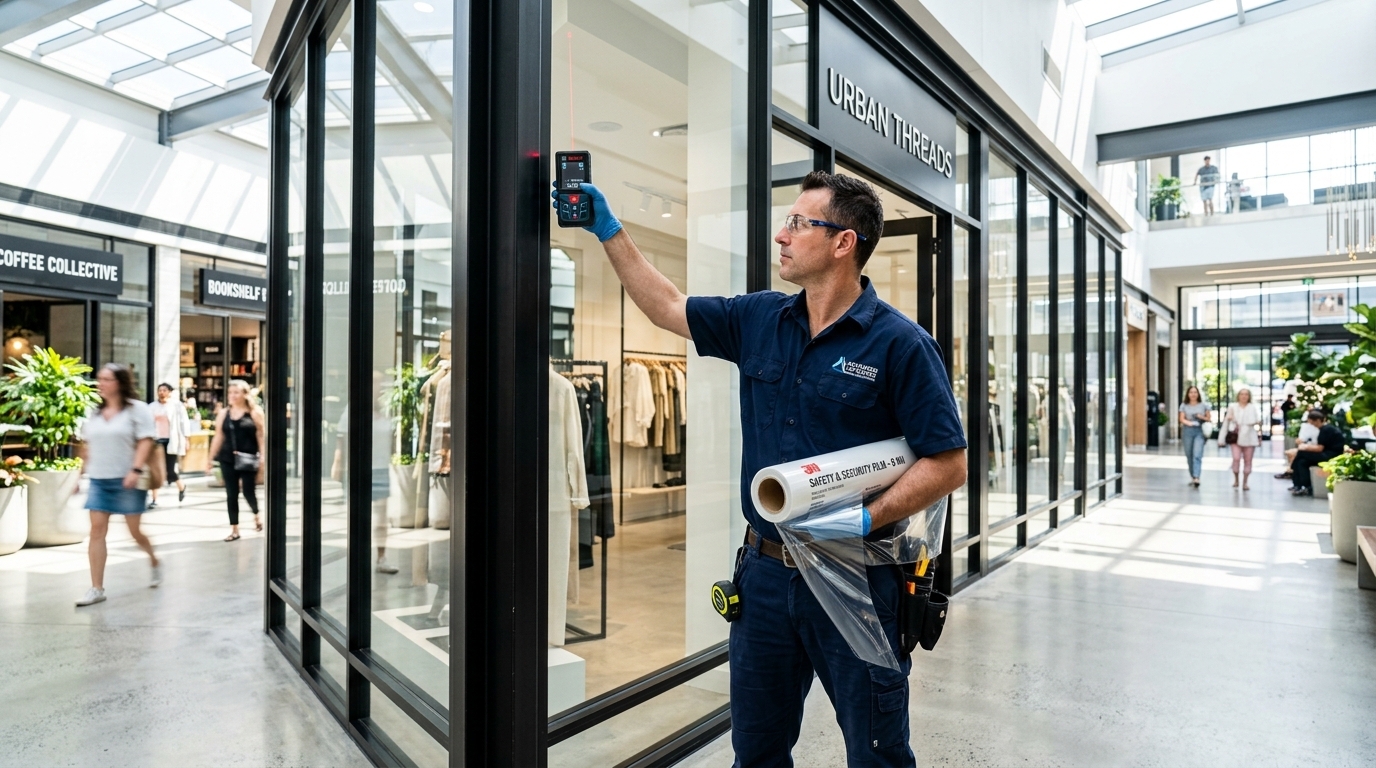
Experienced security specialists conduct on-site threat assessments, evaluate framing integrity, and engineer tailored wet-glaze anchoring solutions for your property. To schedule a comprehensive commercial security evaluation with certified professionals, contact American Window Film.
No Comments Yet
Let us know what you think