

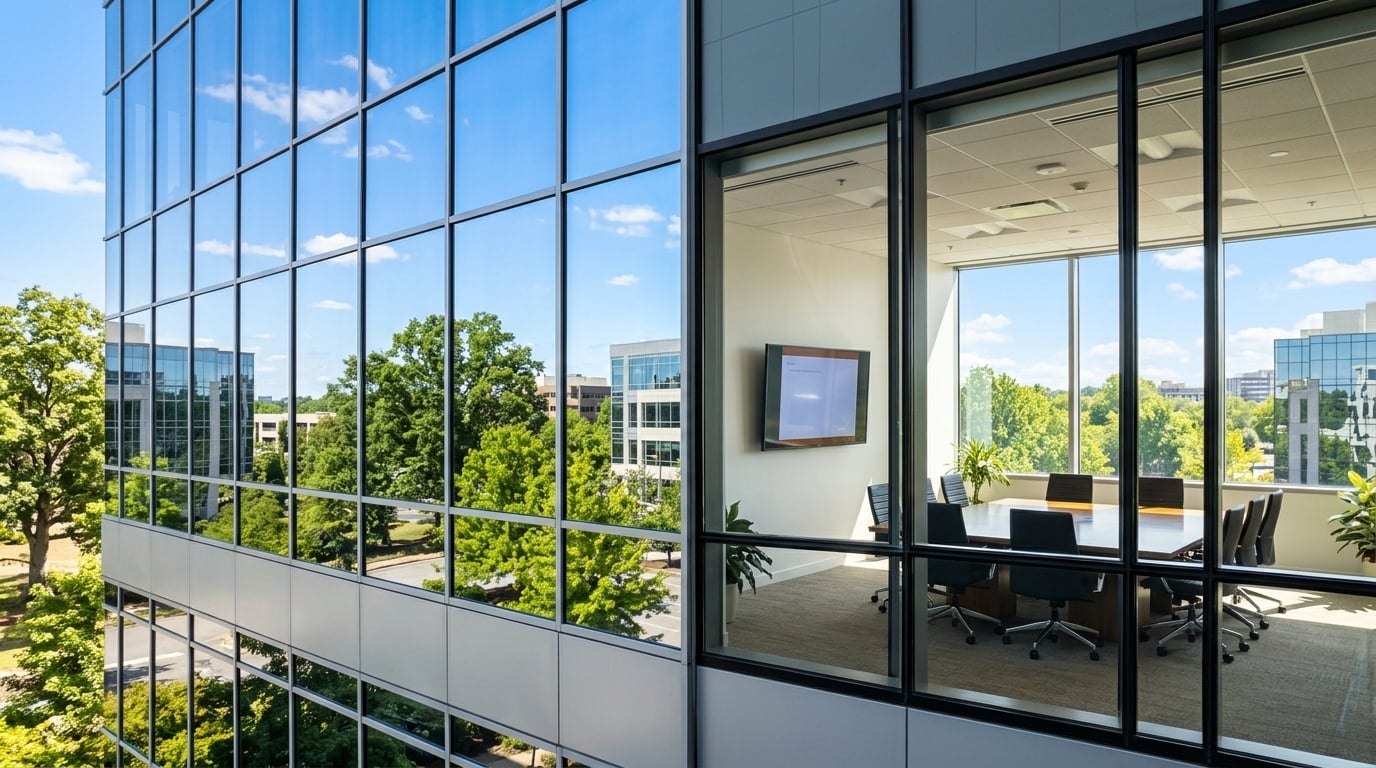
Property owners, architects, and homeowners looking for glass you can see out of without anyone seeing in usually narrow their options down to two architectural solutions: one-way mirror window film and factory-manufactured one-way mirror glass. Both options deliver a sleek reflective exterior during daylight hours, yet they differ dramatically in installed cost, retrofit flexibility, durability, and thermal performance.
Understanding the optical physics behind reflective glazing prevents expensive specification errors before you buy a single pane or roll of film. This comprehensive guide breaks down lighting ratio requirements, side-by-side pricing, glass compatibility, and nighttime privacy limitations so you can choose the right system for your home or commercial building.
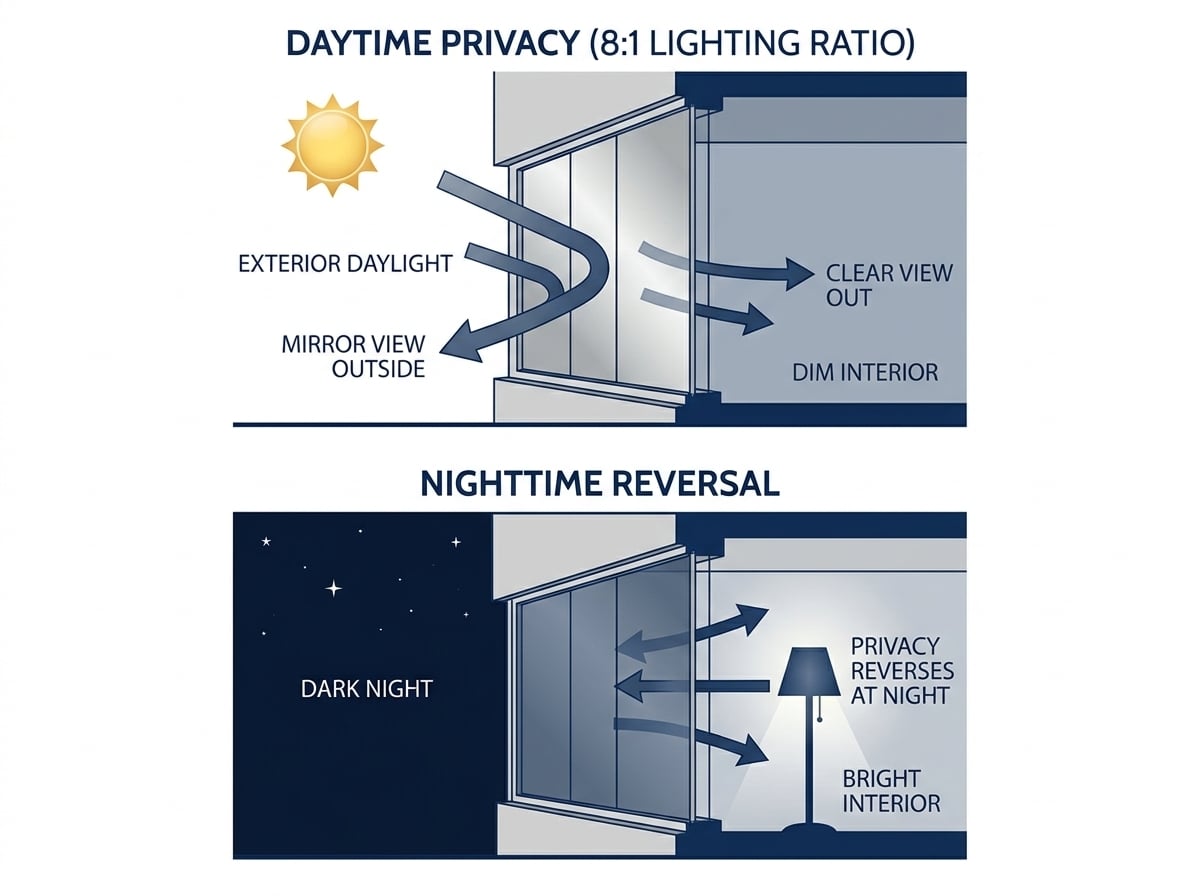
Neither one-way mirror window film nor one-way mirror glass actually transmits light in only a single direction. In strict optical physics, light photons travel equally through both materials from either side of the window.
The dramatic illusion of one-way privacy comes entirely from combining a semi-reflective metallic coating with a sharp difference in light brightness between the two sides of the glass. Knowing how light reflection and human eye adaptation interact explains why reflective privacy works effortlessly at noon and reverses completely after sunset.
Both architectural one-way mirror glass and professional one-way mirror window film rely on a microscopically thin layer of vapor-deposited or sputtered metal, typically aluminum, silver, or titanium alloy. Unlike a standard bathroom mirror coated with thick opaque silver backing that reflects nearly 100 percent of incoming light, a one-way mirror coating is deliberately half-silvered.
Depending on the specification, that metallic layer reflects between 45 and 70 percent of visible light while letting roughly 10 to 35 percent pass straight through the glazing. Because the coating is partially transparent, visibility from either side depends on which side receives more light to reflect back into the viewer's eyes.
On one-way mirror glass, manufacturers apply this reflective metallic coating directly onto float glass inside a vacuum sputtering chamber or via pyrolytic hot-coating during glass production. On one-way mirror window film, manufacturers embed the reflective metallic layer inside multi-ply optical-grade polyester laminated with UV inhibitors, a scratch-resistant hardcoat, and a pressure-sensitive architectural adhesive.
Human vision automatically adjusts to the brightest light source hitting the retina while ignoring much dimmer background detail. Glazing engineers quantify this visual threshold using a light intensity ratio comparing illumination on the bright observation target side to illumination on the dark private side.
To create a crisp, impenetrable mirror effect, architectural manufacturers generally require a minimum lighting ratio of 8:1 to 10:1 between the bright exterior and the darker interior space. When bright midday sunlight delivers 5,000 to 10,000 foot-candles outdoors while an indoor office or living room sits at 50 to 100 foot-candles, the outdoor brightness overwhelms the tiny trickle of indoor light escaping outward.
Anyone standing outside sees a sharp mirrored reflection of the sky, trees, or parking lot because the intense reflected sunlight completely masks what is happening inside. Meanwhile, people sitting in the dimmer interior experience minimal indoor glare on the glass, allowing their eyes to look effortlessly out into the sunlit world beyond.
Once that lighting ratio drops below 4:1, such as during a heavily overcast afternoon with bright overhead office LEDs turned on, silhouettes and interior movement begin showing through from outside. When outdoor light fades at dusk and interior lighting becomes brighter than the outdoors, the lighting ratio flips completely and the one-way effect reverses direction.
Selecting between retrofit window film and structural one-way glass requires weighing upfront budget against optical permanence and building constraints. The technical matrix below compares both architectural glazing systems across nine real-world performance criteria.
| Performance Criterion | One-Way Mirror Window Film | One-Way Mirror Glass (Two-Way Glass) |
|---|---|---|
| Installed Cost Range | $9 to $18 per square foot professionally installed | $45 to $110+ per square foot including glazing labor |
| Installation Scope | Applied directly onto existing windows in hours with minimal disruption | Requires custom glass fabrication, sash removal, and structural re-glazing |
| Optical Clarity | Very high on architectural polyester films (3M, Llumar, Solar Gard) | Benchmark distortion-free clarity across thick monolithic or laminated panes |
| Service Lifespan | 12 to 20+ years indoors; 7 to 10 years for exterior-grade silver film | 25+ years permanent structural lifecycle |
| Solar Heat Rejection | Blocks up to 78% to 82% of Total Solar Energy Rejected (TSER) | Moderate unless fabricated into a costly insulated Low-E glass unit |
| UV Fade Protection | Blocks 99% of harmful UV-A and UV-B rays standard | Minimal UV blocking unless upgraded to laminated PVB interlayer glass |
| Nighttime Privacy | Reverses when indoor lights exceed outdoor brightness | Reverses identically; physics dictates privacy follows the darker side |
| Shatter Containment | Holds broken glass shards together; available in 8-mil security grades | Standard tempered glass shatters into cubes unless laminated |
| Reversibility | Removable for leased offices or changing tenant layouts | Permanent; requires full glass teardown to restore clear views |
Budget is frequently the decisive factor once building owners discover that film and factory mirror glass obey the exact same optical rules. Upgrading existing windows with architectural film typically costs 70 to 85 percent less than tearing out glass panes and installing custom reflective glass units.
Evaluating both material expenses and hidden construction labor prevents surprises when comparing contractor bids for residential homes or multi-story commercial offices.
Professionally installed architectural one-way mirror window film generally costs between $9 and $18 per square foot, depending on glass height, film technology, and total project square footage. Standard silver reflective solar films (such as 3M Silver 15 or Silver 20) sit near the lower end of that spectrum, while dual-reflective ceramic-hybrid films or combined solar-security laminates command higher pricing.
For a typical 200-square-foot home project covering street-facing living room and kitchen windows, total professional installation usually lands between $1,800 and $3,200. Large commercial office facades exceeding 1,500 square feet benefit from bulk material pricing and streamlined staging, bringing average installed costs down toward $8 to $13 per square foot.
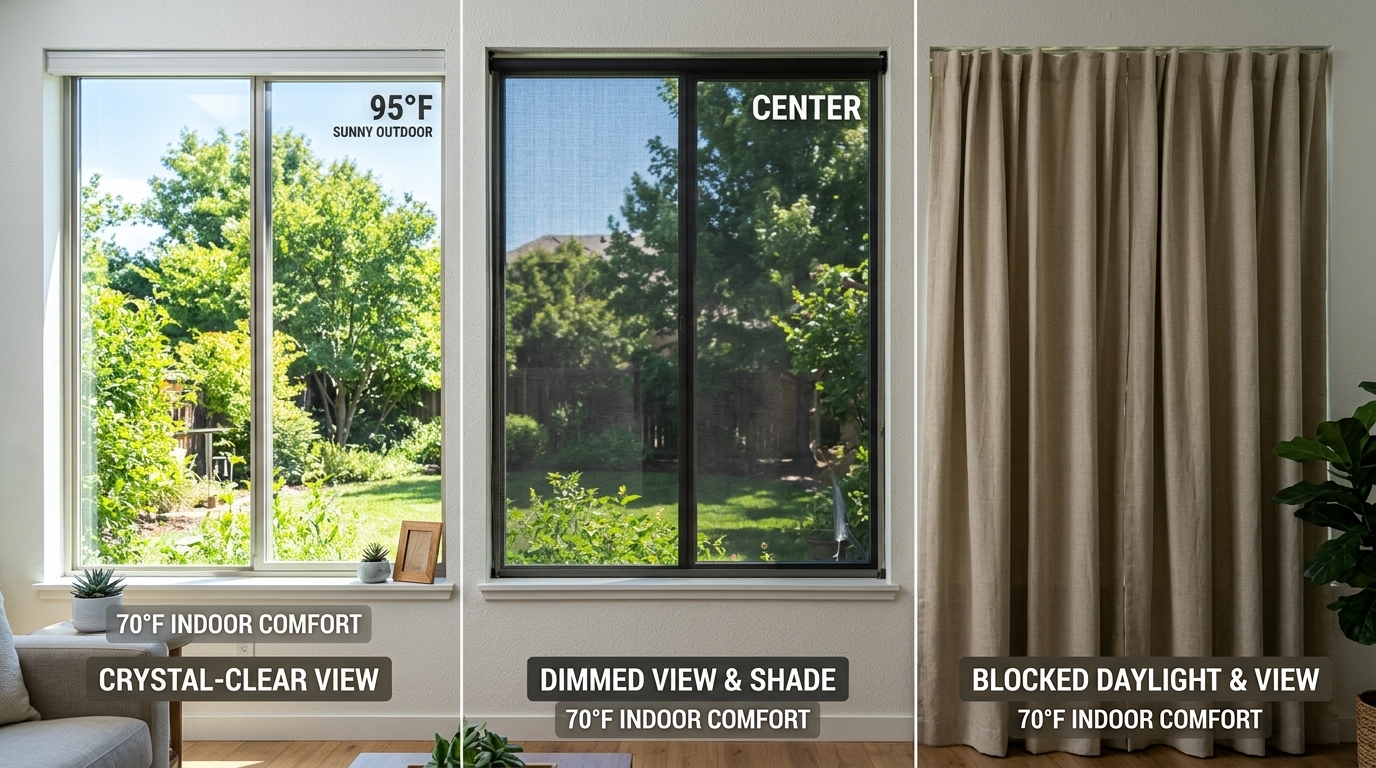
Because installers work directly over your existing frames, there are zero demolition fees, zero drywall repairs, and zero landfill disposal charges for intact window panes. Many utility providers even offer commercial solar efficiency rebates when reflective privacy film significantly reduces building HVAC cooling loads during 95°F summer afternoons.
Factory-produced one-way mirror glass (often marketed as observation glass or two-way mirror glass) carries a substantially steeper price tag because every panel must be custom-cut, heat-treated, and glazed to exact opening dimensions. Raw tempered one-way mirror glass alone typically ranges from $25 to $50 per square foot before a single glazier steps onto your property.
When you add insulated double-pane IGU fabrication, laminated safety interlayers, shipping crates, old-window removal, structural gaskets, and commercial glazing labor, installed costs routinely reach $45 to $110+ per square foot. Replacing that same 200-square-foot residential window package with custom one-way mirror glass can quickly climb to $10,000 to $20,000, while commercial storefront or interior observation partitions require weeks of factory lead time.
How each material enters your building directly affects project timelines, tenant comfort, and long-term window safety. Comparing retrofit installation against full glazing replacement highlights practical differences facility managers must plan around.
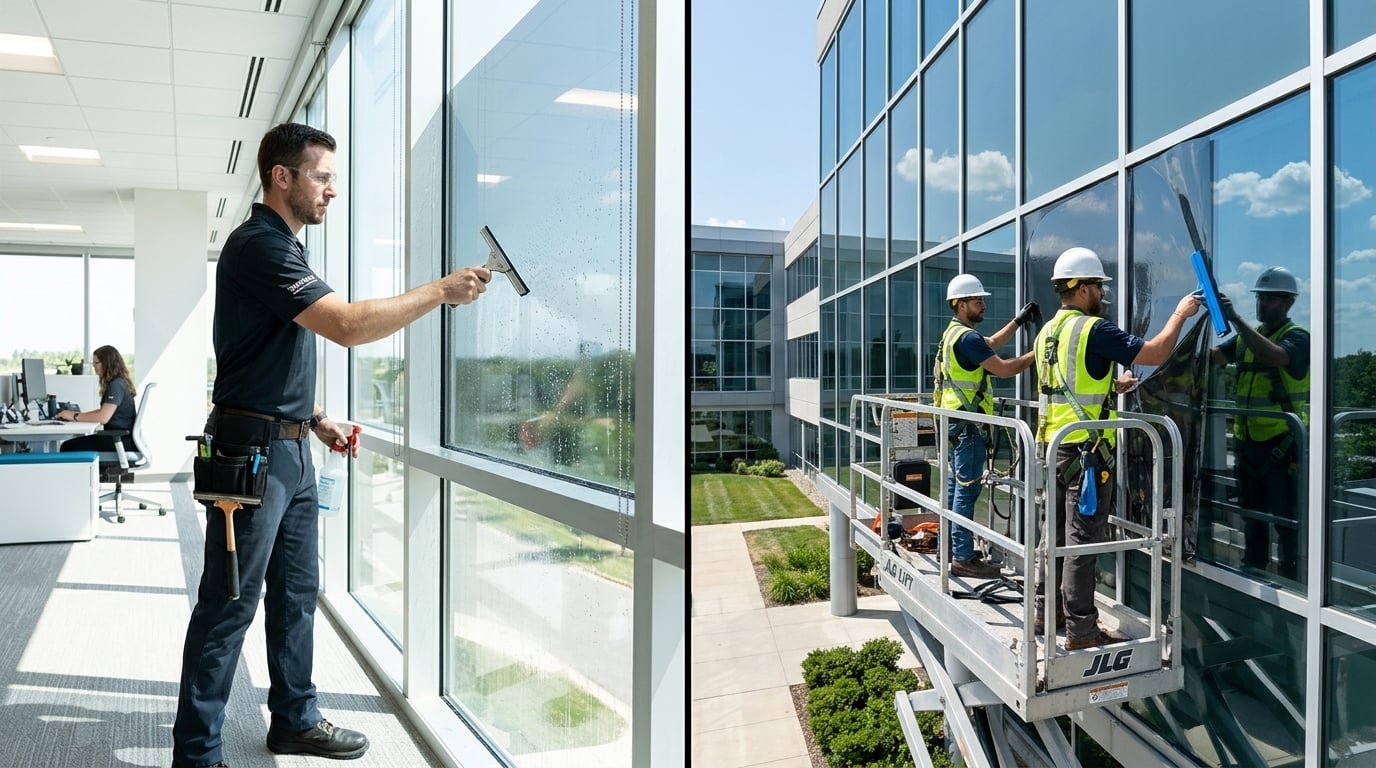
Certified technicians install architectural privacy window film in a single day for most homes and over a quiet weekend for occupied commercial offices. Installers deep-clean each pane, mist a neutral mounting solution, position precision-cut film sheets, and squeegee out moisture cleanly beneath the perimeter frame.
There is no loud saw cutting, no open exterior wall exposed to rain or 100°F outdoor heat, and no need to vacate nearby workstations. Leased commercial tenants especially value this retrofit approach because window film can be professionally stripped at lease end without violating landlord glass-alteration clauses.
By contrast, installing one-way mirror glass requires removing existing stops, pulling heavy glass lites from mullions, resetting setting blocks, and curing structural perimeter sealants. Exterior re-glazing on upper floors also demands boom lifts, crane hoists, or swing stages along with municipal safety permits.
One crucial engineering advantage of custom mirror glass is that it leaves the factory tempered specifically for its own solar absorption profile. Retrofitting dark reflective film onto existing architectural glass requires verifying glass type first so solar absorption never causes uneven thermal stress cracking.
Standard clear single-pane glass and factory-tempered glass tolerate reflective silver films easily, whereas thick tinted glass or older annealed double-pane insulated glass units (IGUs) require a quick NFRC film-to-glass compatibility audit. You can explore detailed glass safety rules in our guide to window film for double-pane and single-pane windows.
Specifiers looking for crisp outward views without harsh indoor mirror glare should also compare standard silver mirror film against dual-reflective architectural film. Dual-reflective films pair a bright, shiny exterior surface for strong daytime privacy with a muted, low-reflectivity interior surface that preserves clear twilight views outdoors.
The number-one misconception buyers hold is assuming expensive one-way mirror glass works at night when one-way window film fails. In reality, both glass and film rely on identical light physics, meaning both reverse completely once indoor lamps shine brighter than the dark street outside.
For a deeper visual breakdown of lighting transitions from noon to midnight, see our complete explanation of how privacy window film works day vs. night. Building owners who need reliable 24-hour privacy without surrendering natural daylight use four proven design strategies:
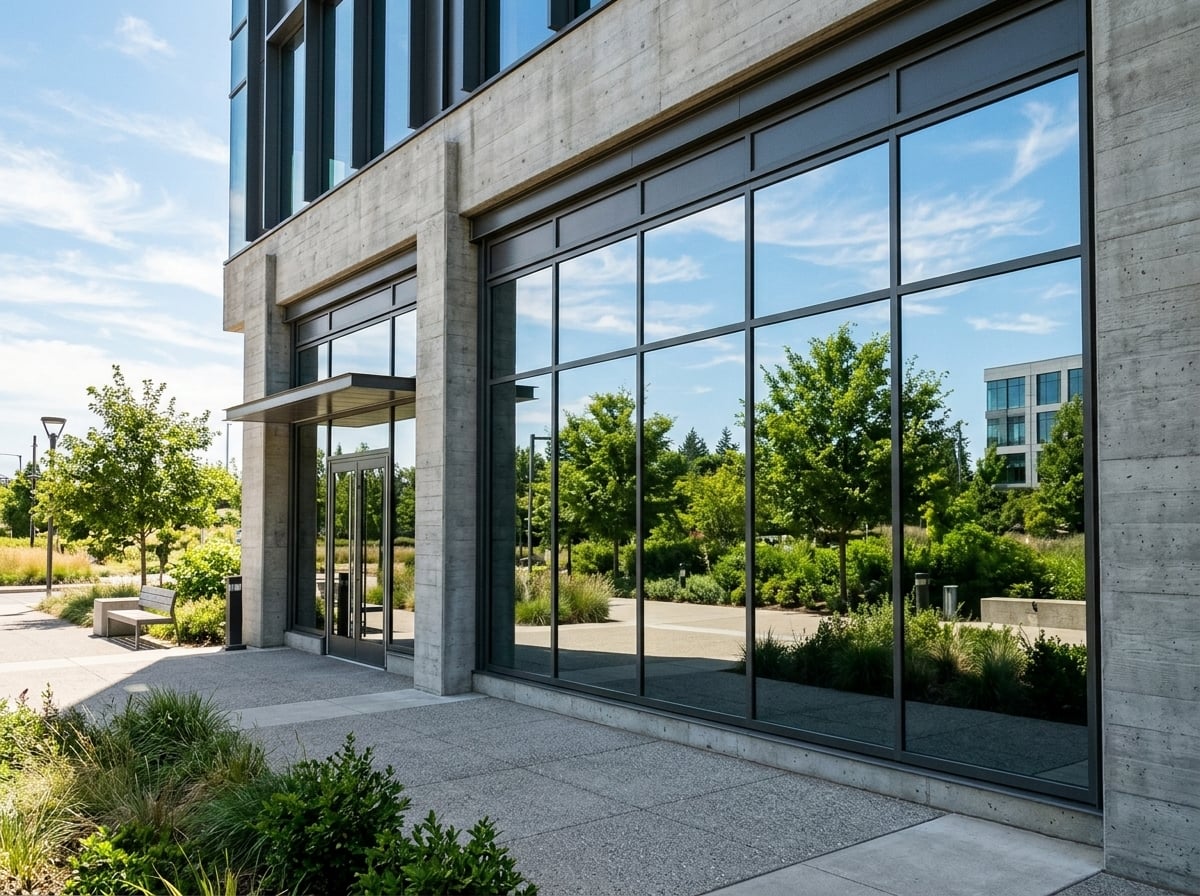
Both products earn their place in modern architecture when matched to the right environment and lighting control plan. Reviewing common commercial and residential scenarios makes the specification choice straightforward.
Permanent interior observation rooms in police interview suites, psychological clinics, market-research focus groups, and casino security hubs are the primary environments where factory one-way mirror glass truly shines. These spaces feature tightly controlled interior lighting with dimmable observation booths held under 10 foot-candles while the subject room stays brightly illuminated above 100 foot-candles.
Because observation partitions are custom-built during interior framing and often require acoustic laminated glass (STC 40+) so voices never carry between rooms, specifying laminated one-way mirror glass during initial construction delivers flawless optical clarity and acoustic isolation. Where an existing interior partition already has laminated clear glass in place, installing high-reflectivity silver mirror film offers a smart retrofit upgrade at a fraction of demolition cost.
For almost every exterior building window facing sidewalks, neighboring homes, or busy commercial plazas, architectural one-way mirror window film outperforms custom mirror glass in value and return on investment. Beyond instant daytime privacy, professional films like 3M one-way window film reject up to 79 percent of solar heat and block 99 percent of fading UV radiation.
Homeowners eliminate afternoon room temperature spikes on west-facing glass where indoor surfaces can climb above 90°F, while office managers slash computer screen glare and peak summer HVAC expenses simultaneously. Because architectural film installs directly over existing windows with commercial warranties up to 15 years and limited lifetime residential warranties, it pays back its cost through energy savings while custom mirror glass rarely recovers its steep glazing expense.
Specifiers, facility managers, and homeowners comparing reflective privacy options consistently ask four practical questions before requesting quotes. Here are clear, physics-backed answers from architectural film experts.
Yes, if indoor lights are turned on at night while it is dark outside, people outdoors can see inside through both one-way mirror film and one-way mirror glass. Because one-way visibility always favors the darker side, you should close blinds after dark, add exterior facade lighting, or choose frosted privacy film for rooms needing 24-hour opacity.
Yes, professional-grade silver and dual-reflective one-way window films work safely on most clear double-pane windows when properly matched to the glass type. A certified installer should always inspect existing panes for factory tints or Low-E coatings to select a film with safe solar absorption ratings and preserve window seal warranties.
For a crisp, solid mirror appearance that hides indoor movement completely, the brighter side should be roughly 8 to 10 times brighter than the private side. Outdoor daylight easily exceeds a 10:1 ratio even on bright hazy days, though deep interior lighting directly beside glass windows can reduce privacy on dark overcast afternoons.
Professionally installed interior architectural mirror window film typically lasts 12 to 20+ years without peeling, bubbling, or turning purple, backed by strong manufacturer warranties. Factory one-way mirror glass lasts 25+ years as a permanent structural pane, though at roughly four to six times the upfront installed cost.
Choosing between one-way mirror film and one-way mirror glass comes down to balancing permanent structural construction against fast, energy-saving architectural retrofits. While custom mirror glass fits new-build interior observation booths requiring soundproof laminated partitions, architectural one-way mirror window film delivers identical daytime privacy, superior solar heat and UV rejection, and up to 80 percent cost savings on existing homes and commercial buildings.
Our certified installation teams help homeowners, architects, and facility managers evaluate glass compatibility, test live daytime reflectivity samples, and pair reflective or dual-reflective films with nighttime privacy strategies. To upgrade your residential or commercial windows with manufacturer-backed protection, request a free consultation and custom quote from American Window Film.
No Comments Yet
Let us know what you think