

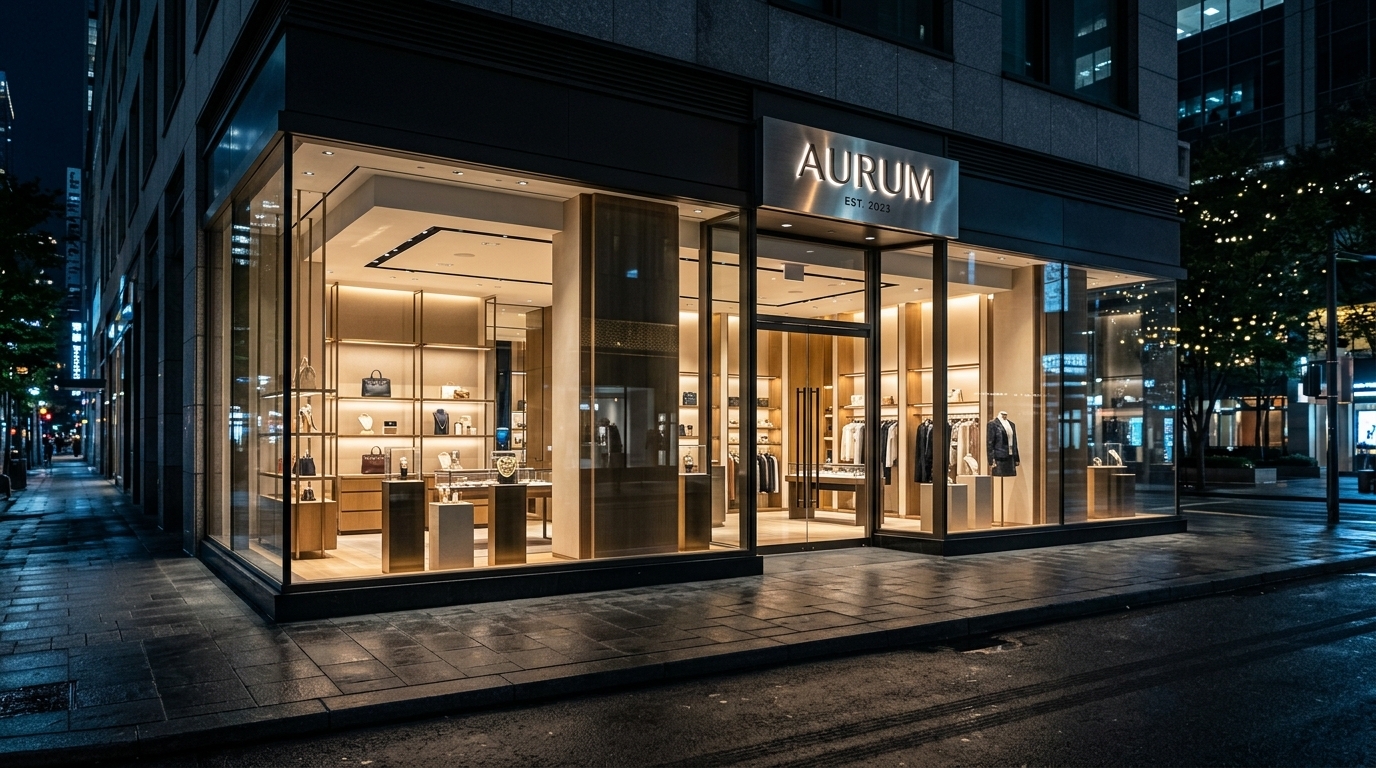
Organized retail crime is escalating across the country at an alarming rate. Smash-and-grab robberies have become one of the fastest-growing threats facing brick-and-mortar retailers of every size.
The attack method is brutally simple. Criminals shatter a storefront window, grab as much merchandise as possible, and disappear before police arrive.
The entire event takes less than 60 seconds. That speed is exactly what makes these crimes so difficult to prevent with traditional alarm systems alone.
Your storefront glass is the weakest point in your building's physical defense. Standard commercial glass shatters on the first impact from a hammer, brick, or crowbar, creating an instant opening for thieves to reach your inventory.
Retailers who understand this vulnerability are turning to security window film as a proven first line of defense. This technology does not make glass unbreakable, but it does something far more valuable: it buys time.
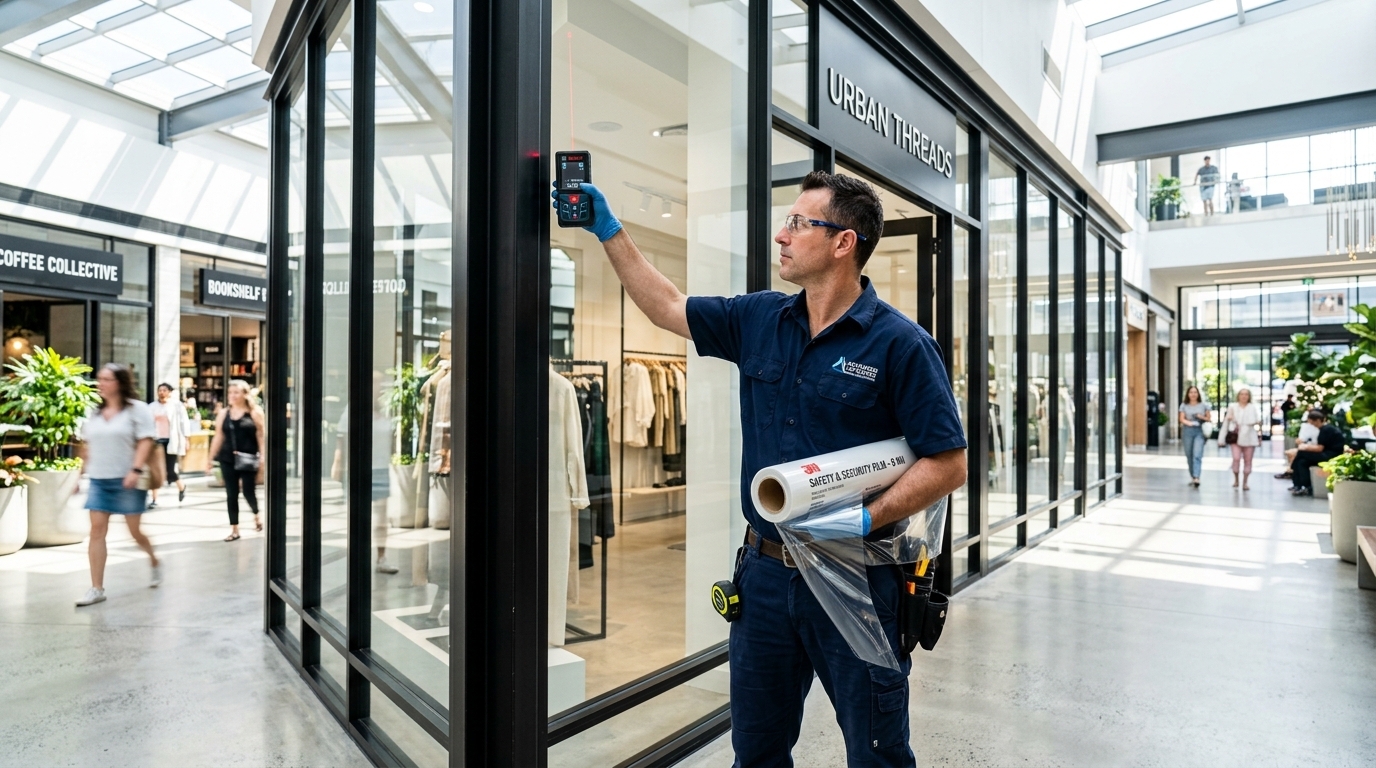
Security window film is a thick, multi-layered polyester material bonded directly to your existing storefront glass. It transforms ordinary commercial windows into a forced entry barrier that absorbs impact energy and holds shattered glass firmly in place.
When a criminal strikes untreated glass, the pane explodes into hundreds of sharp fragments that scatter across the floor. The window opening is clear in under two seconds, and the thief has instant access to your merchandise.
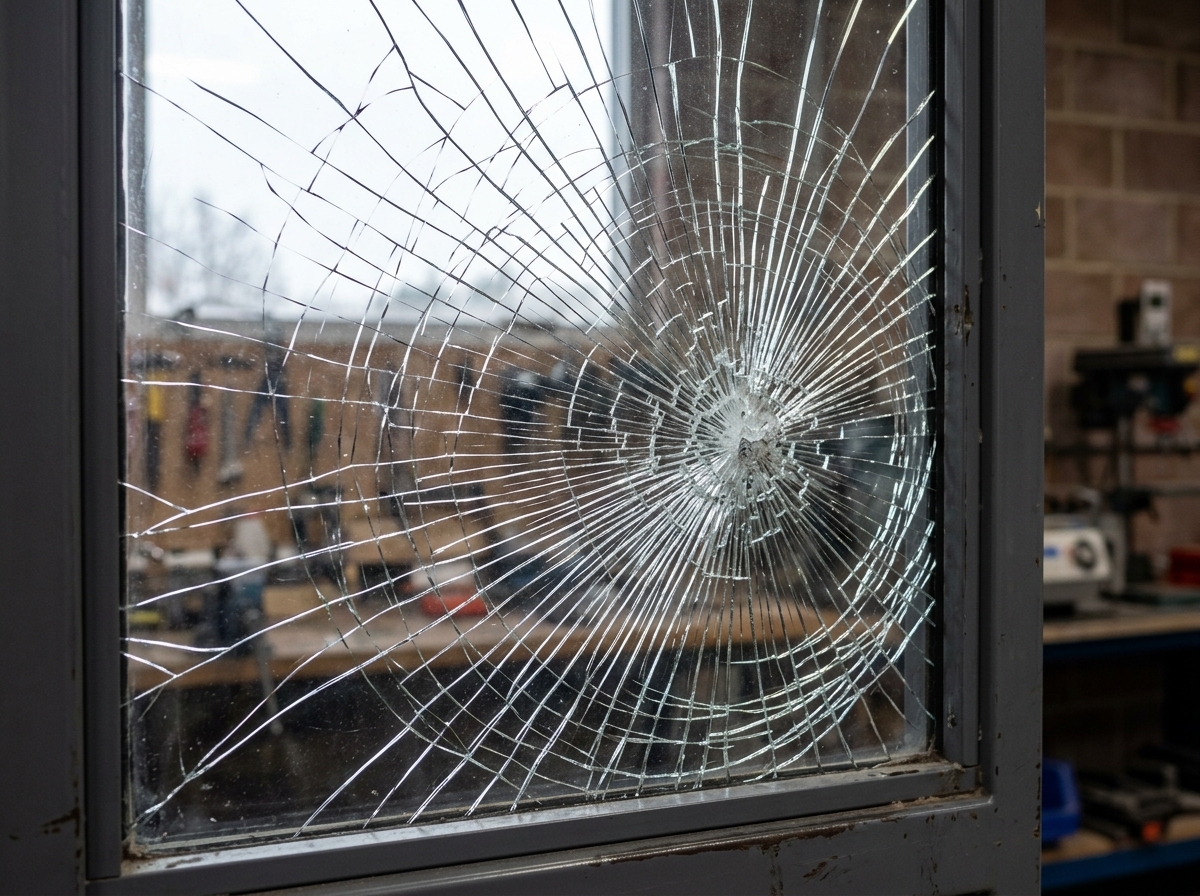
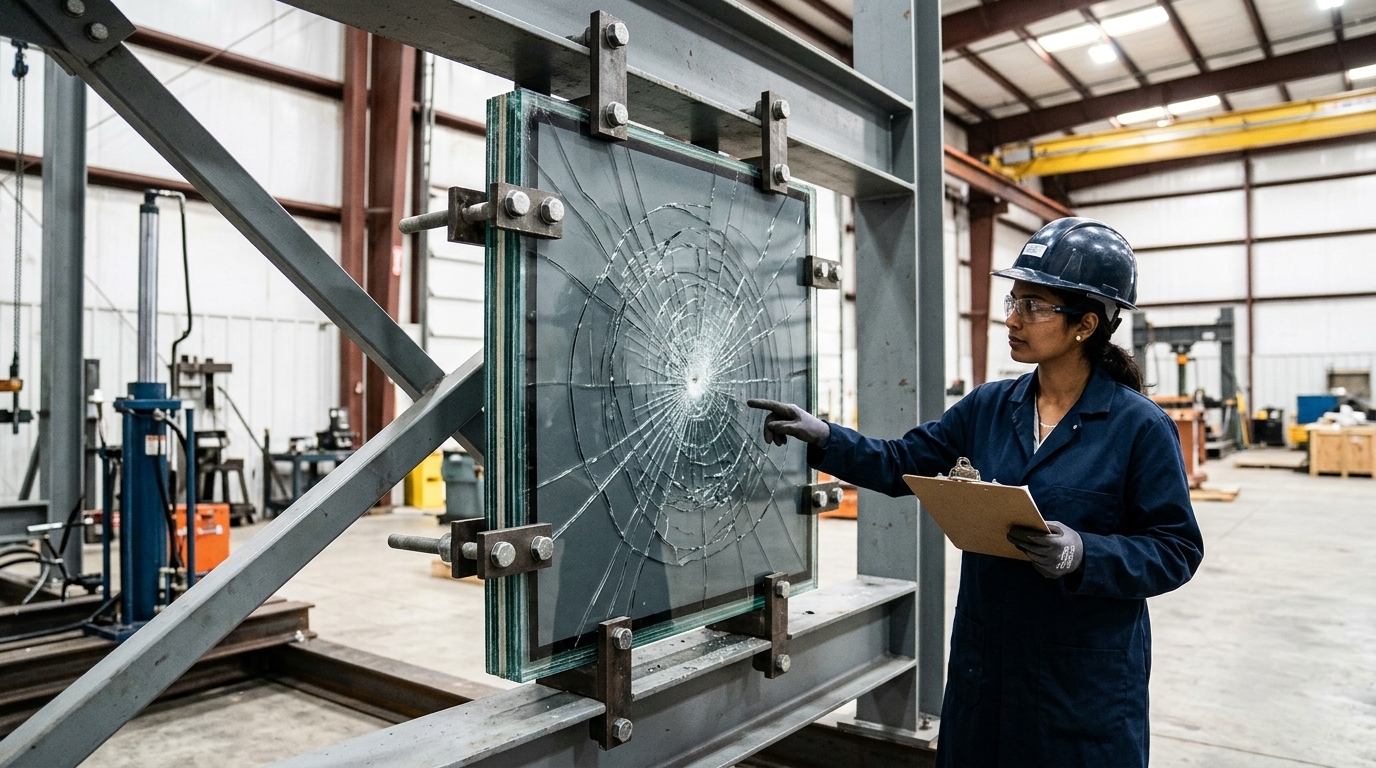
Security film changes that outcome completely. The high-strength adhesive layer bonds the glass fragments together even after the pane shatters, creating a tough, web-like membrane that stays anchored in the frame.
The criminal strikes the glass and expects it to fall away. Instead, the fractured pane flexes, absorbs the blow, and remains intact as a physical barrier blocking entry.
Repeated strikes produce the same result. Each impact deforms the film slightly, but the layered polyester construction resists tearing and maintains the barrier through multiple consecutive blows.
This fragment retention effect is the core mechanism behind every security film product on the market. It converts your brittle storefront glass from a one-hit vulnerability into a persistent physical obstacle that demands sustained effort to breach.
Smash-and-grab criminals operate on an extremely tight timeline. Law enforcement data consistently shows that most organized retail theft crews plan to be in and out of a target in 30 to 60 seconds.
Every second of delay matters enormously. If the window does not yield on the first or second strike, the risk-to-reward calculation shifts dramatically against the criminal.
Security film can extend the breach time from under 2 seconds to well over 60 seconds depending on the film thickness and installation method. That delay alone is often enough to cause the crew to abandon the attempt entirely.
The noise generated by repeated strikes on film-protected glass also works in the retailer's favor. Each blow creates loud, sustained impacts that draw attention from passersby, trigger acoustic sensors, and make the criminal feel increasingly exposed.
Professional security film installation turns your storefront glass from an easy entry point into a loud, time-consuming obstacle. That is exactly the kind of target smash-and-grab crews learn to avoid.
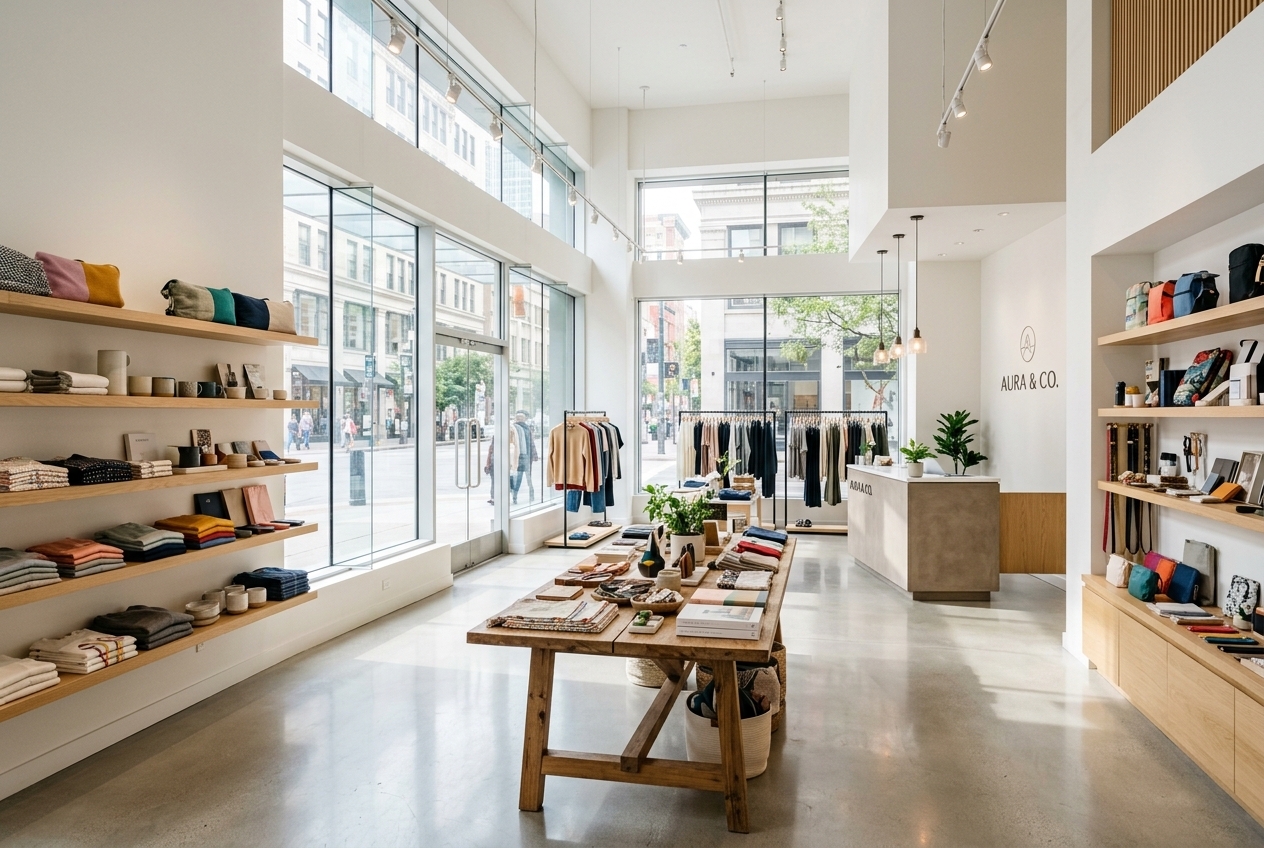
Security film thickness is measured in mils, where one mil equals one-thousandth of an inch. The thickness you choose directly determines how much impact energy the film can absorb and how long it resists forced entry attempts.
4-mil film is the entry-level option designed primarily for safety rather than security. It holds glass fragments together after accidental breakage or storm damage, but it offers limited resistance against a determined attacker with a heavy tool.
For retail storefronts facing genuine smash-and-grab risk, 8-mil film is the industry standard starting point. It delivers significantly greater tear resistance and impact absorption, creating a barrier that can withstand multiple forceful strikes before showing signs of compromise.
12-mil and 15-mil films represent the highest tier of security film protection. These products are specified for high-value targets like jewelry stores, electronics retailers, and luxury boutiques where the merchandise behind the glass justifies maximum forced entry resistance.
Choosing the right thickness starts with an honest assessment of your risk profile. A clothing boutique in a busy shopping district has very different security needs than a standalone jewelry store in a strip mall, and the best security film thickness for your storefront depends on that specific threat level.
Security film applied to glass without an attachment system has one critical weakness. A determined intruder can potentially push the entire film-covered pane out of the window frame rather than trying to tear through the film itself.
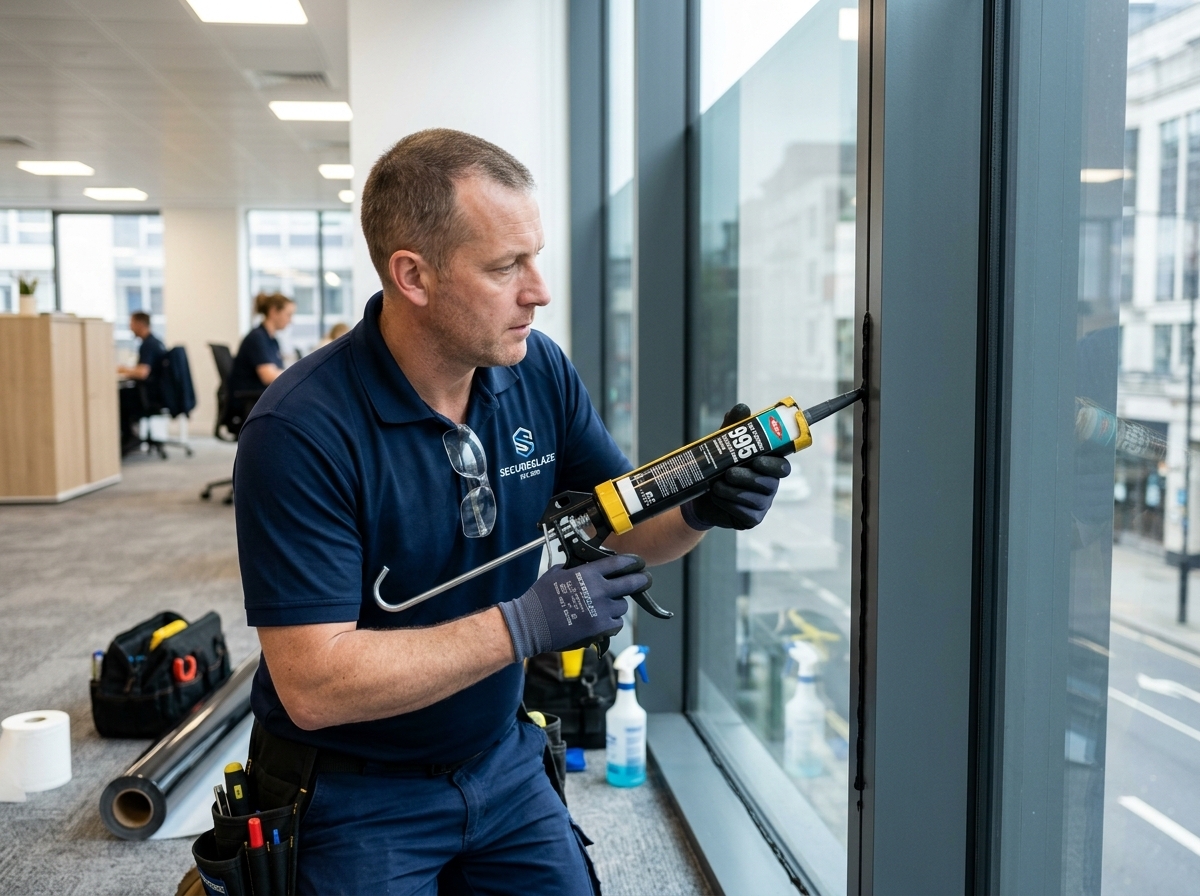
Attachment systems solve this problem by bonding the film directly to the window frame using structural silicone sealant or mechanical anchors. This creates a continuous bond from the film through the glass and into the building structure itself.
With a proper attachment system in place, the glass cannot be pushed inward or pulled outward. The entire window assembly becomes a unified barrier that resists both impact penetration and frame displacement simultaneously.
Professional installers refer to this as "wet glazing." It is the single most important factor separating a basic safety film application from a true forced entry deterrent system.
Skipping the attachment system to save money dramatically reduces the protective value of even the thickest security film. For any retail application where theft prevention is the goal, the attachment system is not optional.
Retailers weighing their storefront protection options typically compare security film against physical barriers like metal bars, rolling shutters, and polycarbonate security shields. Each option has legitimate strengths, but the trade-offs are significant.
Metal bars and security grilles provide strong physical deterrence. They also broadcast a message to every customer and neighbor that your location has a crime problem, which can actively damage your brand perception and reduce foot traffic.
Rolling shutters solve the visibility issue when retracted during business hours. They require significant structural modification to install, cost considerably more than film, and demand regular mechanical maintenance to function reliably.
Polycarbonate security shields offer the highest level of impact resistance. They also cost five to ten times more than security film per square foot and require complete removal and replacement of your existing glass.
Security window film delivers strong forced entry protection without altering the appearance of your storefront. Your windows look exactly the same to customers, your natural light stays intact, and installation requires zero structural modification to the building.
For most retail environments, security film combined with an attachment system provides the optimal balance of protection, cost, and aesthetics. It is also the only option among these four that simultaneously delivers comprehensive safety and security benefits for businesses including UV filtration and solar heat control.
Security film protects more than just your inventory. Every film installed on your retail storefront delivers multiple layers of value that extend far beyond smash-and-grab deterrence.
Most commercial security films block up to 99 percent of harmful UV radiation. This protects your displayed merchandise from the fading, discoloration, and material degradation that UV exposure causes over time.
The same film reduces solar heat gain through your storefront glass. Your HVAC system works less aggressively during peak cooling hours, which translates to measurable energy savings throughout the summer months.
Security film also mitigates injury risk from broken glass during accidents, severe weather, or seismic events. If a window breaks for any reason, the film holds the dangerous fragments in place rather than letting sharp shards scatter across your sales floor.
Liability exposure drops significantly when your glass is film-protected. If a customer or employee is injured by flying glass shards from an unprotected window, the legal and financial consequences can dwarf the cost of the film installation itself.
This multi-benefit profile makes security film one of the highest-ROI upgrades available for commercial properties. You invest in theft deterrence and receive UV protection, energy efficiency, occupant safety, and reduced liability as standard benefits at no extra cost.
Retail business owners researching smash-and-grab protection frequently encounter the same questions about security film performance, limitations, and return on investment. These answers address the most critical concerns.
No. Security film does not prevent glass from breaking. The glass will still crack and fracture when struck with sufficient force.
What the film does is hold those broken fragments together in a cohesive barrier. The shattered pane stays in the frame as a tough, flexible membrane rather than collapsing into an open entry point.
This distinction matters because it sets proper expectations. Security film is a delay-and-deter solution, not an impenetrable shield.
The math strongly favors installation for any retailer with a glass storefront. A single smash-and-grab incident can cost thousands of dollars in stolen merchandise, glass replacement, emergency boarding, lost business during repairs, and increased insurance premiums.
Professional security film installation for a typical small storefront costs a fraction of that single-incident loss. The film lasts for years with zero maintenance and pays for itself the first time a break-in attempt fails.
Insurance carriers in some regions also offer premium reductions for storefronts with verified security film installations. That ongoing savings accelerates the return on investment even further.
No. Security window film is not bulletproof and should never be marketed or purchased as ballistic protection. It is designed exclusively to resist blunt force impact and prevent rapid breach of the glass barrier.
Ballistic protection requires entirely different technology, typically laminated glass-polycarbonate composites rated to specific threat levels. If your retail location requires ballistic resistance, consult with a security professional about dedicated ballistic glazing systems.
Security film excels at what it is engineered to do: delaying forced entry through glass and deterring smash-and-grab criminals who depend on speed. Understanding the different types of security window film helps you match the right product to your specific threat profile.
Security film delivers its best results when combined with complementary security measures. No single product should be your only line of defense.
Pair your film installation with a monitored alarm system that includes glass-break sensors and motion detectors. These systems alert authorities the moment a breach attempt begins, compressing response times while the film holds the barrier intact.
High-definition CCTV cameras positioned at every entry point provide critical evidence for law enforcement. Visible camera placement also serves as a powerful psychological deterrent against opportunistic criminals.
Strong exterior lighting eliminates the shadows that smash-and-grab crews rely on for concealment. Well-lit storefronts are statistically targeted far less frequently than dark, poorly visible locations.
This layered approach puts multiple obstacles between the criminal and your merchandise. Security film anchors the strategy by turning your most vulnerable physical asset, your storefront glass, into a reliable time-delay barrier.
Your storefront glass does not have to be the weakest link in your security chain. Professional security film transforms ordinary commercial windows into a forced entry deterrent that buys critical time, protects your people, and keeps your merchandise where it belongs.
The right film thickness paired with a professional attachment system and a layered security strategy gives your retail location the best possible defense against the smash-and-grab threat. Every second of delay you create is a second closer to the criminal giving up and moving on.
Contact American Window Film today for a professional security assessment and find out which security film solution is right for your retail storefront.

No Comments Yet
Let us know what you think