

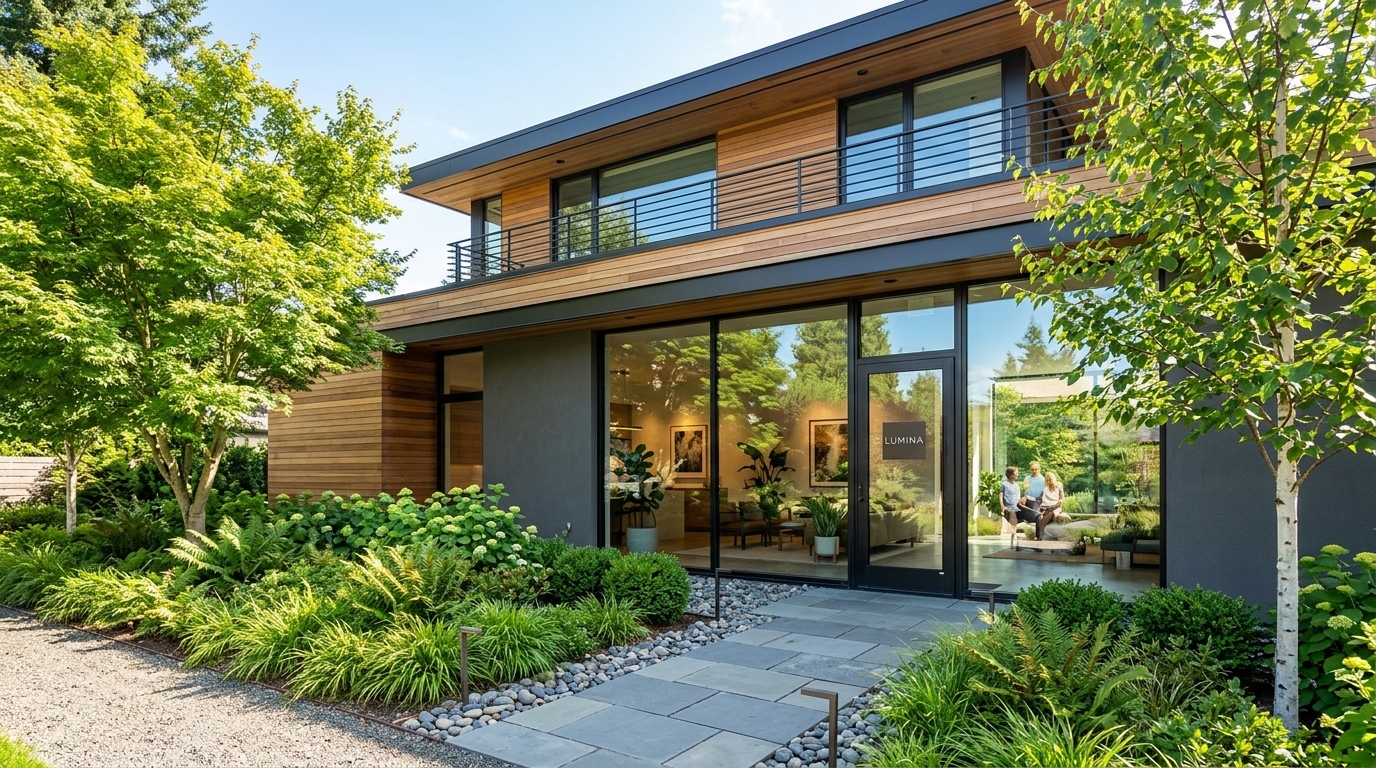
Property owners seeking to protect vulnerable ground-floor windows frequently face a difficult choice between traditional iron security bars and architectural security window film. While heavy steel bars have guarded buildings for centuries, their harsh visual impact and serious life-safety risks make them problematic for modern properties.
Architectural security window film offers an invisible, impact-resistant alternative that hardens building glass without sacrificing aesthetic beauty or emergency fire egress.
Windows represent the most fragile component of any residential or commercial building envelope. Burglars recognize glass as an easy point of entry, requiring only seconds to breach an untreated pane.
Deciding how to reinforce this glass depends on balancing physical intrusion resistance with exterior property value and architectural design.
Wrought iron security bars send an unmistakable visual signal of high crime and vulnerability. When installed across storefront display windows or residential living rooms, bars severely degrade curb appeal and property appraisal values.
For retail businesses, exterior window bars create a hostile, prison-like facade that repels paying customers and obscures merchandise displays. In residential neighborhoods, security grilles often violate municipal zoning guidelines and strict homeowner association covenants.
Occupants inside barred rooms often feel uncomfortably enclosed, losing their open visual connection to outdoor landscaping and natural daylight.
Architectural security window film applies directly to existing interior glass surfaces, remaining completely transparent and virtually undetectable. Visitors and prospective customers see only clean, crystal-clear architectural glazing.
Beneath that optical clarity lies a heavy-duty matrix of micro-layered polyester laminates bonded with aggressive acrylic adhesives. The film absorbs heavy physical impacts from crowbars, bats, and bricks, holding fractured glass fragments tightly within the structural frame.
Property owners enjoy robust physical security without altering the architectural character of their building. To discover how residential homeowners protect vulnerable patio doors and lower-level windows, read our guide on protecting home glass from break-ins.

While property protection is vital, protecting human life during an emergency is the supreme priority. The fundamental operational difference between fixed metal grilles and security window film centers on life-safety egress.
Building codes establish strict egress rules to ensure occupants can escape rapidly during interior fires or structural hazards.
Fixed metal security bars turn residential bedrooms and commercial basements into potential death traps during sudden structural fires. When hallways fill with toxic smoke and flames block main exit doors, windows serve as the sole secondary emergency escape route.
Every year, tragic fatalities occur because trapped occupants cannot dislodge padlocked or rusted window security grilles from the inside. Firefighters attempting rescue operations from exterior ladders must waste precious minutes cutting through steel bars with power saws.
Many municipal jurisdictions now strictly ban permanently fixed burglar bars on residential sleeping quarters unless equipped with certified interior quick-release mechanisms.
Security window film solves this life-safety dilemma by providing strong resistance against exterior intrusion while maintaining interior emergency egress. First responders and building occupants can shatter filmed glass from the inside when necessary for emergency escape.
Because security film is installed on the interior glass surface or anchored with flexible wet-glaze silicone, localized emergency tools can pierce the film membrane from within. Once fractured, the entire filmed glass panel can be pushed outward as a single cohesive blanket to clear the opening.
Occupants avoid the deadly risk of entrapment, and emergency rescue crews gain immediate ladder access without heavy hydraulic cutting tools.
Both security bars and high-tensile security films aim to delay intruders, but they achieve this objective through entirely different mechanical principles. Evaluating how each system responds to forced entry tactics clarifies real-world performance.
Understanding these mechanical responses helps security directors allocate capital effectively.
Steel security bars rely on rigid metal mass to block physical access. When anchored deeply into exterior brick or masonry with heavy lag bolts, bars effectively deter casual opportunists.
However, determined criminals equipped with hydraulic jacks, heavy crowbars, or cordless angle grinders can pry mounting anchors or cut through hollow steel tubing within minutes. Once an anchor bolt pulls free from aging mortar, the entire grille can be leveraged off the wall.
Rust and metal oxidation can also weaken mounting flanges over time, compromising structural integrity without obvious warning.
Commercial security films ranging from 8 mil to 14 mil in thickness utilize dynamic elasticity to dissipate physical kinetic energy. Rather than remaining rigid, the multi-ply polyester stretches under hammer or crowbar blows, absorbing the energy of the strike.
Even after repeated impacts fracture the underlying glass pane, the aggressive adhesive matrix holds every shard tightly bound. The attacker is confronted with a flexible, rubbery barrier that refuses to yield to blunt force.
When paired with a structural wet-glaze anchoring system such as Dow Corning 995, the film transfers impact force directly into the window frame mullions. An intruder must spend several minutes hacking through the tough polyester membrane to create a hole large enough to crawl through.
For detailed technical specifications on film tensile strength and break ratings, review our engineering guide on security window film thickness specifications.
| Comparison Feature | Traditional Iron Window Bars | Architectural Security Window Film |
|---|---|---|
| Visual Aesthetics | Harsh, industrial, fortress appearance | 100% optically clear and completely invisible |
| Emergency Fire Egress | High entrapment hazard; requires release levers | Safe egress; can be pushed out from interior |
| Solar Heat & UV Control | Zero solar heat rejection or UV protection | Blocks 99% UV rays; available with solar heat control |
| HOA & Zoning Approval | Frequently prohibited by local codes and HOAs | Universally permitted with zero exterior changes |
| Ongoing Maintenance | Requires regular scraping, priming, and painting | Zero maintenance; cleans easily with mild soap |
| Installed Cost Per Window | $300 – $800+ per custom fabricated window | $9 – $18 per square foot installed with anchor |
Evaluating these clear distinctions highlights why modern facility directors consistently replace outdated bars with architectural film.
Regulatory compliance represents an insurmountable hurdle for exterior security bars across thousands of residential communities and commercial commercial zones. City planning commissions routinely reject permit applications for exterior security grilles to prevent urban blight.
Historic preservation boards strictly prohibit any exterior modifications that alter original building facades or historic window framing. Installing exterior metal bars on historic masonry structures often violates historic landmark designations.
Homeowner associations across the country maintain strict architectural guidelines that forbid visible window bars on residential properties. Security window film provides an ideal solution because it operates entirely from the interior, maintaining compliance with all aesthetic regulations.
Property owners achieve commercial-grade forced entry protection without triggering fines or neighborhood association disputes.
Traditional iron bars provide a single, narrow function: physical intrusion resistance. Architectural security window film functions as a multi-benefit building envelope upgrade that delivers ongoing daily returns.
Standard security films incorporate high-efficiency ultraviolet inhibitors that block ninety-nine percent of damaging solar UV radiation. This protection shields expensive hardwood flooring, interior furnishings, artwork, and retail merchandise from premature sun fading.
Combination solar-security films also reject significant solar infrared heat, lowering summer cooling bills and eliminating uncomfortable perimeter hot spots.
During severe coastal windstorms, tornadoes, or seismic events, security film holds shattered glass safely in the frame. While iron bars do nothing to stop airborne storm debris from shattering glass and driving wind-driven rain indoors, security film preserves the building weather seal.
Discover how heavy-duty laminates hold shattered glass together under severe force in our report on how security window film prevents glass shattering.
Here are answers to the most common questions building owners, retail operators, and homeowners ask when choosing between security window film and traditional bars.
These clear answers help you choose the best physical security solution for your property.
Yes, for most commercial and residential applications, heavy-duty 8 mil to 14 mil security window film paired with structural silicone anchoring effectively replaces traditional window bars. The film provides substantial forced entry delay, denying rapid access to burglars without the aesthetic blight or fire hazards of iron grilles.
Only extreme-risk facilities such as bank vaults, armories, or correctional institutions require physical steel barrier grilles.
Custom-fabricated wrought iron security bars typically cost between $300 and $800 per window, plus substantial labor for masonry drilling and exterior anchoring. Security window film costs between $9 and $18 per square foot installed, including high-strength wet-glaze anchoring.
For a property with numerous windows, security film retrofits routinely cost thirty to fifty percent less than custom metal fabrication while eliminating ongoing painting and rust maintenance costs.
Yes, security window film provides outstanding human impact safety. By reinforcing standard architectural glass with a high-tensile polyester membrane, the assembly absorbs accidental body impacts without shattering into dangerous shards.
The film satisfies federal safety glazing standards such as CPSC 16 CFR 1202 Category II, preventing catastrophic slip-and-fall injuries near low-sill windows and sliding glass doors.
While a razor blade can score window film, cutting through an anchored 8 mil or 14 mil laminate during an active break-in is virtually impossible for an intruder standing outside. The film is mounted on the interior glass surface, meaning the burglar must first break through thick glass shards to reach the film membrane.
Reaching through broken glass shards while attempting to slice a heavy, tensioned polyester layer creates immediate laceration hazards and requires specialized tools that street burglars do not carry.
Choosing between physical security and architectural beauty is no longer necessary. High-performance architectural security window film delivers formidable forced entry delay, life-safety fire egress compliance, and pristine optical transparency at an affordable cost.
Certified window film technicians perform comprehensive on-site window evaluations, assess frame construction, and install precision 3M Scotchshield security systems backed by industry-leading warranties. To upgrade your property security without unsightly bars, contact the specialists at American Window Film.
No Comments Yet
Let us know what you think