

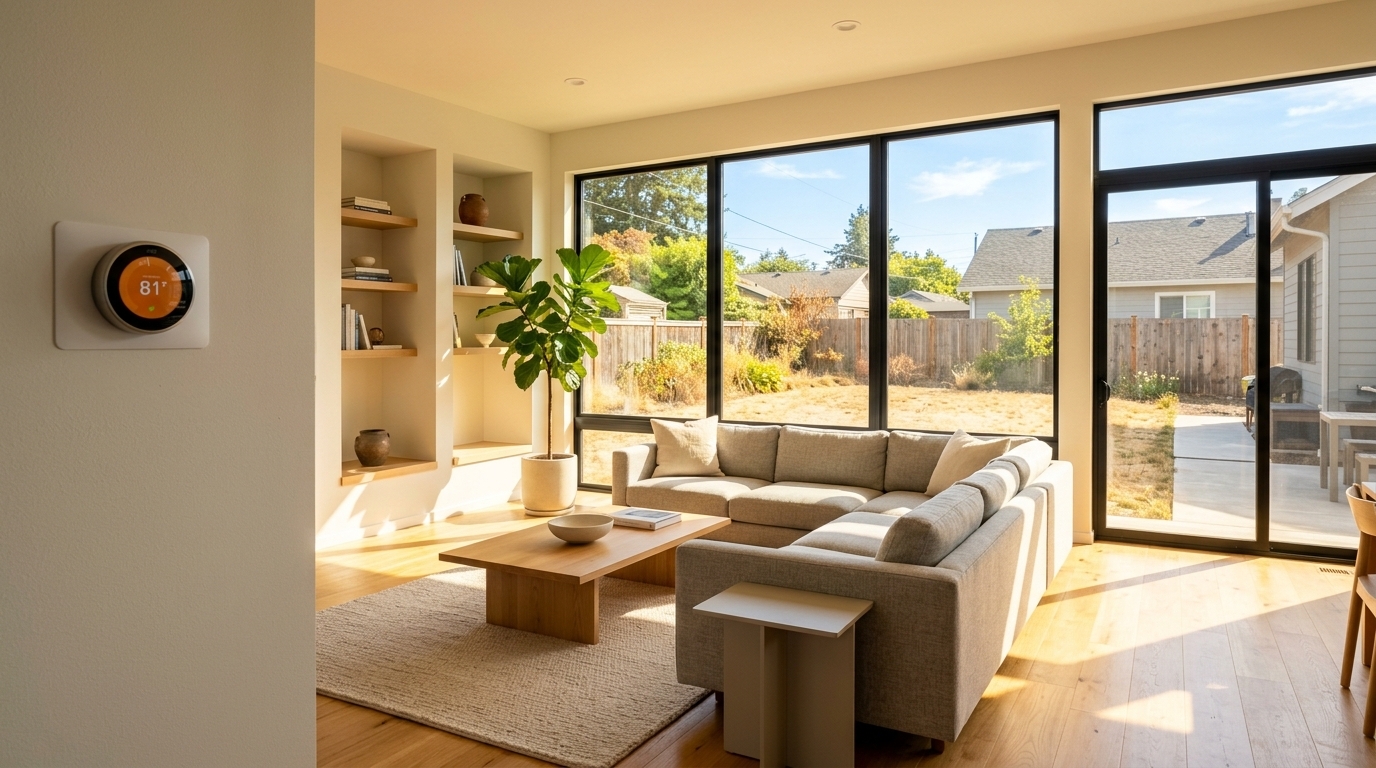
Your air conditioner has been running nonstop for hours, and the house still feels warm. This is the frustrating reality for millions of homeowners every summer, and the problem is almost never what you think it is.
Most people blame the HVAC unit itself. They call a technician, replace a filter, top off refrigerant, and hope for the best.
But the real issue is often hiding in plain sight. Your windows are silently flooding your home with solar heat energy, forcing your cooling system into an exhausting, expensive battle it was never designed to fight alone.
Understanding the true source of your HVAC strain is the first step toward fixing it permanently. The solution is simpler, faster, and far more affordable than replacing your entire air conditioning system.
Your HVAC system struggles in summer for two broad reasons: mechanical issues inside the unit and thermal issues inside the building. Both deserve attention, but one of them gets overlooked almost every time.
Solar heat gain is the single biggest hidden factor behind HVAC overwork. When sunlight hits your windows, infrared radiation passes straight through the glass and gets absorbed by every surface in the room.
Those heated surfaces then radiate warmth back into your space. Standard glass traps this re-radiated energy inside, creating a miniature greenhouse effect right next to your windows.
The solar heat gain coefficient of your glass determines how much thermal energy enters through each pane. A high SHGC rating means your windows are acting as wide-open gateways for heat, dumping massive cooling loads directly onto your air conditioner.
Windows account for up to 30 percent of residential cooling energy use according to the U.S. Department of Energy. That is nearly a third of your entire summer electricity bill caused by untreated glass alone.
West-facing and south-facing windows absorb the most brutal solar exposure. These windows receive direct sunlight during the hottest hours of the day, creating intense hot spots that your AC must constantly fight to overcome.
Dirty air filters choke your system's airflow and force it to work harder for the same cooling output. A clogged filter can reduce HVAC efficiency by 5 to 15 percent, turning a manageable workload into a constant uphill climb.
Low refrigerant levels prevent your AC from absorbing heat effectively. When refrigerant drops below the manufacturer's specified charge, the compressor strains to maintain pressure, which leads to short cycling and premature component failure.
These mechanical issues compound the thermal burden from your windows. An HVAC system battling both dirty internals and uncontrolled solar heat gain is a system racing toward an early, expensive breakdown.
Regular maintenance handles the mechanical side of the equation. But no amount of filter changes or refrigerant top-offs will stop solar heat from pouring through your glass every single afternoon.

Here is the uncomfortable truth most HVAC technicians never mention: your windows are working against your air conditioner every hour of every sunny day.
Standard residential glass blocks almost none of the infrared radiation responsible for indoor heat buildup. Roughly 85 percent of solar thermal energy passes through untreated flat glass completely unchecked.
Your thermostat detects the rising temperature and signals the compressor to run longer, harder cycles. The AC cools the air down temporarily, but the sun immediately begins reheating the room through the same untreated glass.
This relentless cycle puts enormous stress on your HVAC compressor. The unit never gets a meaningful rest period because the heat source never stops during daylight hours.
Rooms with large window-to-wall ratios suffer the worst. A living room with floor-to-ceiling glass or a corner office with windows on two walls can demand twice the cooling capacity of an interior room the same size.
The problem is not that your HVAC system is broken or undersized. The problem is that your windows are letting in far more heat than any residential air conditioner was engineered to handle on its own.
The financial damage from uncontrolled solar heat gain adds up fast. Homeowners with significant sun-exposed glass routinely see summer cooling bills spike by 25 to 40 percent compared to properly protected buildings.
That inflated energy cost repeats every single month from May through September. Over five years, the cumulative overspend can reach thousands of dollars on electricity alone.
Your HVAC equipment pays a steep physical price too. Compressors forced to run extended cycles overheat more frequently, and the constant strain accelerates wear on bearings, capacitors, and contactors.
The average residential HVAC replacement costs between $5,000 and $12,000. Premature compressor failure driven by excessive cooling load means you could be facing that bill years earlier than necessary.
UV radiation streaming through untreated glass silently damages your interiors at the same time. Hardwood floors fade, leather furniture cracks, and fabric upholstery loses its color far faster than it should.
Up to 40 percent of premature fading in home furnishings is caused by UV exposure through windows. Every dollar spent replacing sun-damaged belongings is a dollar that proper solar protection would have saved.

Professional-grade solar control window film is one of the most effective upgrades you can make to help your HVAC system survive summer. It works by intercepting solar energy at the glass surface before it ever enters your living space.
The film bonds directly to your existing flat glass windows. Once installed, it creates a permanent thermal barrier that rejects heat, blocks UV rays, and reduces glare with zero maintenance required.
Spectrally selective window film targets the infrared wavelengths responsible for heat buildup while allowing maximum visible light to pass through freely. This means your rooms stay bright and your views remain completely unobstructed.
These advanced films reject up to 97 percent of infrared heat energy. The temperature difference near treated windows is immediately noticeable, often dropping 10 to 15 degrees compared to untreated glass.
Your HVAC system benefits instantly from this reduced cooling load. The compressor cycles less frequently, consumes less electricity, and operates under far less mechanical stress during peak summer hours.
Spectrally selective films also block up to 99.9 percent of harmful UV radiation. Your floors, furniture, and artwork receive permanent protection from the sun's most destructive wavelengths, which is exactly why low-e window films deliver radiant and solar heat control year-round.
Ceramic window films use nano-ceramic particle technology to achieve exceptional heat rejection without any metallic layers. This means zero interference with your Wi-Fi signals, cell reception, or smart home devices.
These films maintain a clean, neutral appearance on your glass. They deliver consistent thermal comfort throughout the day while preserving the architectural look of your home or commercial building.
Low-E window films add winter performance to the equation. They reflect interior heat back into your rooms during cold months, reducing heating costs alongside your summer cooling savings.
This dual-season benefit makes professional window film a year-round investment in energy efficiency. Your HVAC system runs less aggressively in both summer and winter, extending its operational lifespan and cutting your total annual energy spend.
For commercial properties, the energy savings from window film can be even more dramatic. Large glass facades on office buildings and retail storefronts create enormous cooling loads that commercial window film directly addresses through measurable energy savings and occupant safety.
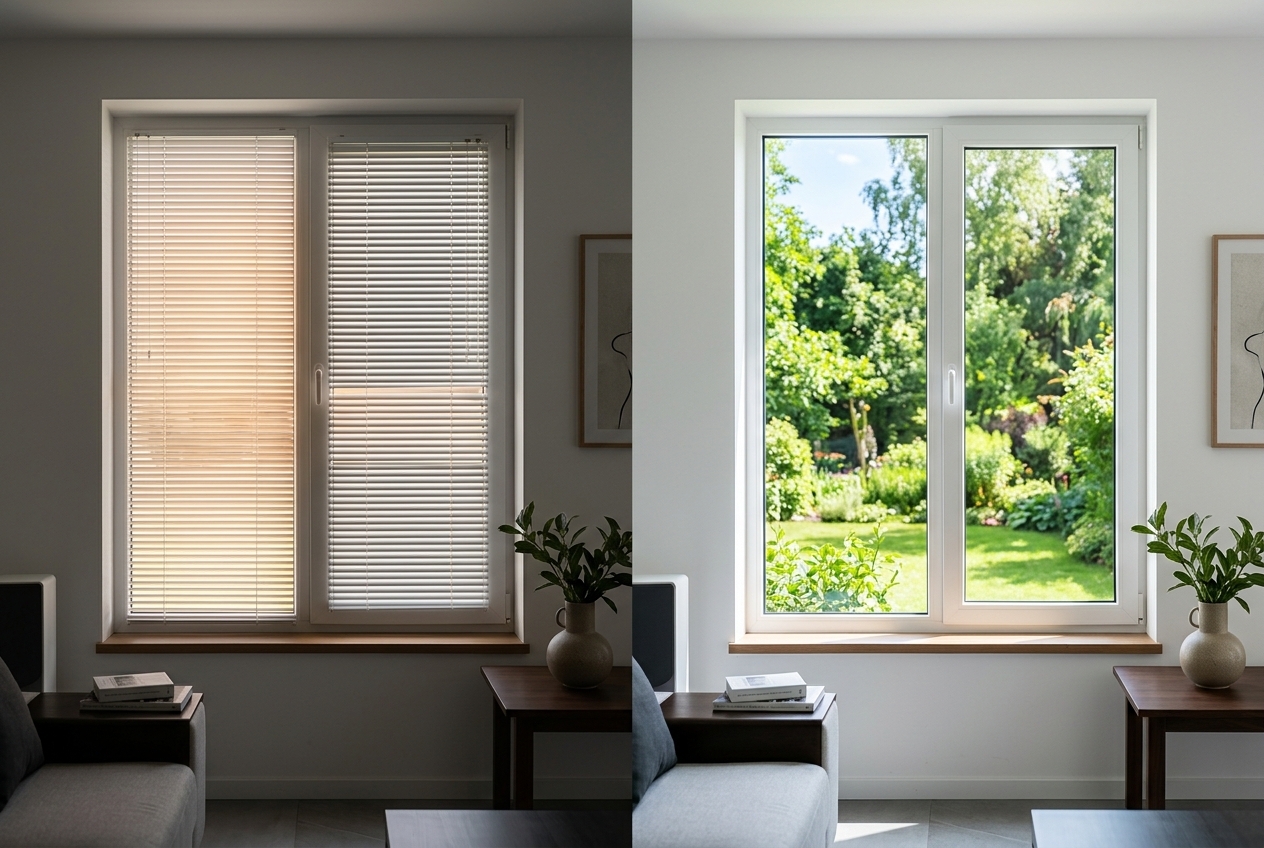
Most homeowners reach for the blinds when a room gets too warm. It feels like the logical move, but it fundamentally misses the root cause of the heat problem.
Blinds and curtains sit on the interior side of the glass. The solar energy has already passed through the window and entered your room before it touches the fabric.
The trapped air between the window and closed blind heats up dramatically. This pocket of superheated air then radiates directly into your living space, defeating the entire purpose of the covering.
Heavy drapes block your view and natural light at the same time. Closing them forces you to rely on artificial lighting, which adds to your electricity costs and makes rooms feel smaller and darker.
Window film takes a completely different approach. It intercepts solar energy at the glass surface itself, rejecting heat before it ever crosses the threshold into your interior space while fully preserving your view and daylight.
You should never have to choose between a comfortable temperature and a bright, inviting home. Window film eliminates that forced trade-off entirely.
Homeowners dealing with overworked air conditioning systems in summer often search for the same answers. These responses address the most common concerns about HVAC strain, solar heat, and window film performance.
The most likely culprit is solar heat gain through your windows. Your AC cools the air, but untreated glass keeps letting infrared radiation pour in and reheat the room faster than your system can compensate.
Dirty filters, low refrigerant, or leaky ductwork can compound the issue. But if your system has been serviced recently and specific rooms near windows are still hot, the glass itself is the problem.
Installing solar control window film on those problem windows stops the heat at its source. Your AC can finally catch up because it is no longer fighting a constant flood of thermal energy through the glass.
Yes. Window film is one of the most cost-effective energy efficiency upgrades available for residential and commercial buildings. It reduces the cooling load on your HVAC system by blocking solar heat at the glass before it floods your interior.
Most homeowners see cooling cost reductions of 5 to 15 percent after professional installation. Buildings with extensive sun-exposed glazing often experience even larger savings.
The return on investment typically occurs within two to four years. Every dollar saved on energy after that payback period is pure financial return.
Solar heat gain forces your air conditioner to work harder and run longer cycles to maintain your set temperature. The more heat that enters through your windows, the greater the cooling load your HVAC compressor must handle.
This increased workload drives up electricity consumption and accelerates mechanical wear. Compressors, fan motors, and capacitors all degrade faster under sustained heavy use.
Reducing solar heat gain at the glass surface with window film directly lowers the demand on your HVAC equipment. The system cycles less, lasts longer, and operates more efficiently throughout the summer.
Start with regular maintenance: clean filters, proper refrigerant levels, and clear condenser coils. These basics keep your system running at peak mechanical efficiency.
Then address the thermal side of the equation by installing professional-grade window film on your most sun-exposed windows. Targeting south-facing and west-facing glass delivers the biggest immediate impact on cooling load reduction.
This combination of proper HVAC maintenance and solar control window film gives your system the best possible chance of surviving summer without excessive strain, breakdowns, or inflated energy bills. Homeowners in hot climates have seen dramatic results when heat-reducing window film is professionally installed on problem windows.
Your HVAC system is not failing you. Your windows are failing your HVAC system.
Solar heat gain through untreated glass is the hidden force behind skyrocketing cooling bills, constant compressor strain, and rooms that never reach a comfortable temperature no matter how low you set the thermostat.
Professional window film stops that cycle permanently. It rejects solar heat at the glass surface, protects your interiors from UV damage, and gives your air conditioning system the relief it desperately needs to perform efficiently all summer long.
Contact American Window Film today for a free consultation and find out exactly which window film solution will take the pressure off your HVAC system this summer.



No Comments Yet
Let us know what you think