


That searing patch of heat near your living room window is not your imagination. Hot spots near windows are one of the most common comfort complaints in residential and commercial buildings across the country.
The culprit is solar heat gain. When sunlight strikes your window glass, a massive amount of energy passes straight through the pane and gets absorbed by your floors, walls, and furniture.
Those heated surfaces then radiate warmth back into the room as infrared energy. Standard glass traps this re-radiated heat inside, creating a localized greenhouse effect directly next to your windows.
The result is a dramatic temperature difference between areas near the glass and the rest of the room. You can feel a 10 to 15 degree spike just by standing within a few feet of a sun-drenched window.
This is not just uncomfortable. Persistent hot spots signal that your flat glass is doing absolutely nothing to filter the sun's most aggressive energy wavelengths.
Your HVAC system works harder to compensate for these intense temperature imbalances. It cycles more frequently, consumes more energy, and drives up your monthly utility bills with every passing hour.
Understanding exactly why hot spots form is the first step toward eliminating them permanently. The science behind solar heat gain reveals a clear, proven path to a cooler and more comfortable indoor environment.
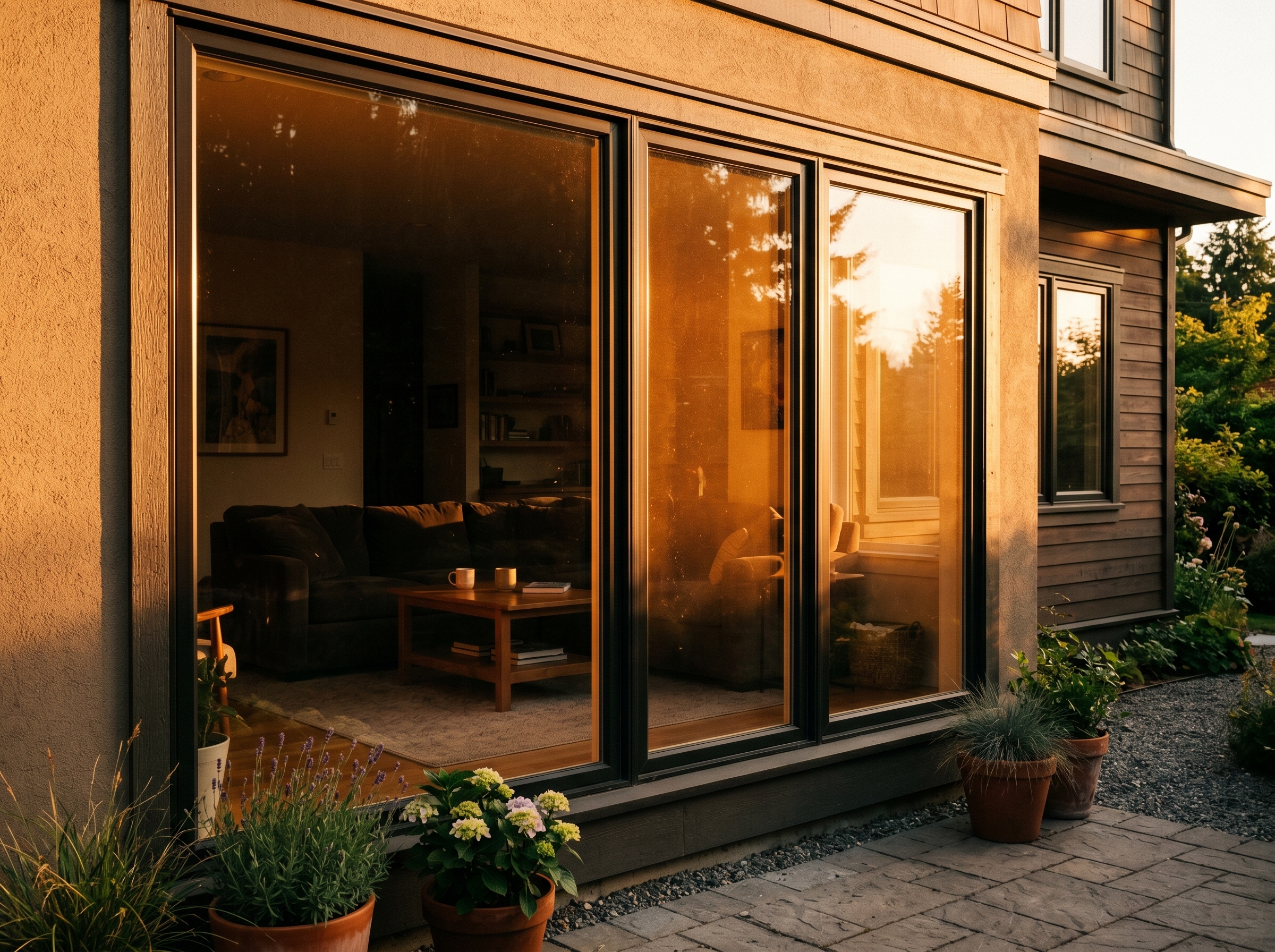
Several factors determine how intense the hot spots near your windows become. The type of glass, window orientation, and total lack of solar filtration all play critical roles in how much radiant heat invades your living spaces.
Sunlight contains three types of energy: visible light, ultraviolet rays, and infrared radiation. Infrared radiation is the invisible wavelength responsible for nearly all of the oppressive heat you feel near your windows.
Standard residential glass allows approximately 85 percent of infrared energy to pass through completely unchecked. This flood of thermal energy strikes your interior surfaces and instantly converts into trapped radiant heat.
The glass itself actually compounds the problem after that initial transfer. It blocks the re-radiated longwave infrared from escaping back outside, effectively locking the heat inside your room like a sealed oven.
Single-pane windows offer virtually zero infrared resistance. Even many modern double-pane windows without Low-E coatings still permit significant amounts of solar heat to penetrate your home.
Broken seals on insulated glass units make the situation significantly worse. When the argon or krypton gas leaks out from between the panes, the window loses its insulating properties almost entirely.
This is exactly why your air conditioner runs constantly during peak afternoon hours. The untreated glass is acting as a wide-open gateway for solar thermal energy to pour into your space.
Window orientation is one of the biggest factors controlling hot spot intensity. South-facing windows receive consistent, direct sunlight throughout the entire day in the Northern Hemisphere.
West-facing windows are even more brutal. They absorb the full force of the afternoon sun at the precise moment outdoor temperatures hit their daily peak.
The solar heat gain coefficient of your glass determines how much of that directional energy actually enters the room. A high SHGC rating means your windows are absorbing and transmitting a dangerously large percentage of solar radiation.
East-facing windows experience morning sun, but outdoor temperatures are typically cooler during those early hours. North-facing windows receive minimal direct sun exposure and rarely develop significant hot spots.
Rooms with large, floor-to-ceiling west-facing windows are the worst offenders by far. These spaces can become nearly unusable during summer afternoons without some form of targeted solar intervention.
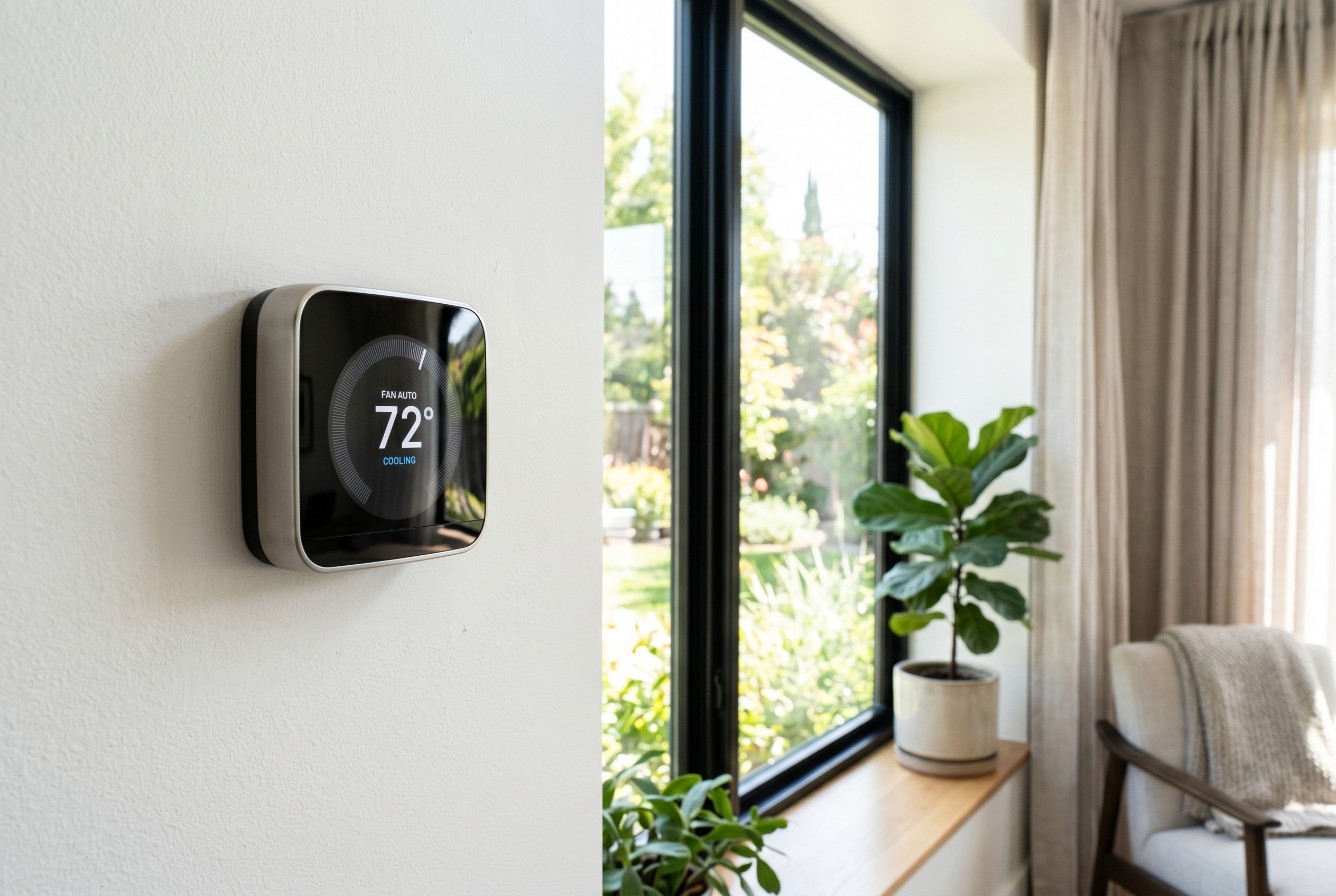
Hot spots near windows cause far more damage than simple physical discomfort. The financial and environmental toll of uncontrolled solar heat gain accumulates rapidly over time.
Your HVAC system bears the heaviest burden of this ongoing battle. It runs longer cycles and consumes significantly more electricity trying to overcome the constant influx of radiant heat through your glass.
This increased cooling load can inflate your summer energy bills by 25 to 40 percent. That is real money wasted month after month, year after year, on a problem with a proven fix.
The UV radiation streaming through your untreated windows is silently destroying your interiors. Hardwood floors lose their rich color, leather furniture cracks and fades, and valuable artwork deteriorates beyond repair.
UV exposure accounts for up to 40 percent of premature fading in home furnishings. Replacing sun-damaged floors and furniture costs thousands of dollars that proper solar protection would have prevented entirely.
Prolonged heat exposure near windows also creates genuine health concerns for occupants. Excessive indoor temperatures contribute to dehydration, fatigue, headaches, and severely reduced productivity in home offices and commercial workspaces.
These costs compound silently over the years. Most building owners do not realize how much they are losing until they calculate the total impact of untreated flat glass on their annual expenses.
The first instinct most homeowners have is to close the blinds or draw the curtains. This is a natural reaction, but it fundamentally misses the root cause of the problem.
Blinds and curtains sit on the interior side of the glass. The solar energy has already passed through the window and entered your room before it ever touches the fabric.
The trapped air between the window and the closed blind actually heats up dramatically. This pocket of superheated air then radiates directly into your living space, defeating the entire purpose of the covering.
Heavy drapes block your view and your natural light at the same time. Closing them in the middle of the day forces you to rely on artificial lighting, which adds to your electricity costs and makes rooms feel smaller.
You should not have to choose between a comfortable temperature and a bright, inviting space. That forced trade-off is a clear sign that the underlying glass performance needs to be addressed at its source.
Window film takes a completely different approach by working directly at the glass surface. It intercepts the solar energy before it ever crosses the threshold into your interior space, rejecting the heat while fully preserving the view and natural daylight.
This is exactly why window film outperforms blinds for permanent heat reduction. It solves the problem at its origin rather than attempting to contain heat that has already invaded your space.
Professional-grade window film transforms your existing glass into a high-performance solar barrier. It targets the specific wavelengths of sunlight responsible for heat buildup and blocks them before they ever reach your interior.
The film is applied directly to the interior surface of your flat glass windows. Once bonded, it creates a permanent filtration layer that works invisibly around the clock with zero maintenance required.
Spectrally selective window film is the most advanced solution for eliminating hot spots near windows. This technology is precision-engineered to reject infrared heat while allowing maximum visible light to pass through freely.
These films filter sunlight at the molecular level. They target the infrared spectrum specifically, blocking up to 97 percent of heat-producing rays without any noticeable darkening or visual distortion of your glass.
The result is a window that looks exactly the same from both sides. Your rooms stay flooded with natural daylight, but the punishing heat that used to accompany that light simply vanishes.
Spectrally selective films also block up to 99.9 percent of harmful UV radiation. Your furniture, hardwood floors, and artwork receive immediate, permanent protection from the sun's most destructive wavelengths.
This type of film is ideal for homeowners and property managers who refuse to compromise on natural light. It delivers elite-level infrared heat rejection through a completely invisible application on your existing flat glass.
Ceramic window films use nano-ceramic particle technology to achieve outstanding heat rejection performance. They are entirely non-metallic, which means zero signal interference with your Wi-Fi, cell phones, or other electronic devices.
These films excel in both heat rejection and optical clarity. They maintain a clean, neutral appearance on your glass while delivering consistent thermal comfort from sunrise to sunset.
Low-E window films add another powerful layer of performance by providing insulation during colder months. They reflect interior heat back into your room during winter, reducing heating costs alongside your summer cooling savings.
This dual-season functionality makes Low-E films a particularly smart investment for climates with extreme temperature swings. You gain protection from solar heat gain in summer and improved heat retention when temperatures drop below freezing.
Combining ceramic or Low-E technology with professional installation ensures peak performance and longevity. The film bonds permanently to your flat glass, creating a durable thermal barrier that requires zero ongoing maintenance.

Selecting the right window film starts with understanding the specific demands of your space. Every room has a unique solar exposure profile based on window size, compass orientation, and the type of glass currently installed.
Look for the Total Solar Energy Rejected rating when comparing film products. TSER measures the overall percentage of solar energy that the film blocks, combining infrared, visible light, and UV into a single performance number.
A higher TSER rating means more total solar energy is rejected at the glass surface. Top-performing spectrally selective films achieve TSER ratings above 60 percent while still maintaining high visible light transmission, which is why choosing the right VLT for your home windows matters so much.
The solar heat gain coefficient is another critical metric to evaluate before purchasing. Films that significantly lower your window's SHGC will produce the most dramatic reduction in hot spots and overall cooling costs.
Professional consultation is essential for matching the right product to your building. An experienced installer will analyze your windows, measure your solar exposure angles, and recommend the exact film specification that matches your performance needs.
Professionally installed window film comes backed by full manufacturer warranties. This protects your investment and guarantees the product performs exactly as specified for many years to come.
Homeowners and building managers researching solutions for hot spots near windows often have similar questions. These answers address the most common concerns about window film performance, installation, and real-world results.
Yes, and the results are immediately measurable. High-performance window films reject up to 80 percent of solar heat energy before it passes through your glass.
Homeowners consistently report temperature drops of 10 to 15 degrees near treated windows. The hot spots that once made certain rooms completely unusable become comfortable, enjoyable spaces throughout the entire day.
Professional-grade films from trusted manufacturers are rigorously tested and certified for heat rejection performance. These are not the thin consumer films sold at hardware stores that peel and bubble within months.
The fastest permanent solution is professional window film installation. Once applied to your flat glass, the film begins rejecting solar heat immediately and continues performing for decades.
For short-term relief while scheduling your installation, use interior fans to circulate air away from the hot glass surface. Temporary exterior shading with removable screens or strategic landscaping can also provide minor, immediate cooling.
The only permanent fix is addressing the glass itself with professional-grade film. Window film converts your large, heat-absorbing glass panels into high-performance solar barriers without altering their appearance or blocking your view.
Window film is one of the most cost-effective energy efficiency upgrades available for any home or commercial building. It substantially reduces the cooling load on your HVAC system by blocking solar heat at the glass before it floods your interior, making it absolutely worth putting film on your home windows.
Most homeowners see energy savings of 5 to 15 percent on their monthly cooling costs after installation. Commercial buildings with extensive glazing often experience even larger percentage reductions due to the sheer volume of treated glass.
The return on investment for professional window film installation typically occurs within two to four years. Every dollar saved on energy after that payback period is pure financial return from your original investment.
Hot spots near windows are a completely solvable problem with proven, readily available technology. You do not have to tolerate rooms that feel like ovens or watch your energy bills climb higher every summer.
Window film delivers permanent relief by attacking solar heat gain directly at the glass surface. It keeps your rooms bright, your temperatures perfectly balanced, and your energy costs firmly under control.
The right film selection paired with professional installation makes all the difference in long-term performance. Investing in quality window film means investing in lasting comfort and protection for your home or commercial property.
Contact American Window Film today for a free professional consultation and discover the perfect window film solution to eliminate hot spots in your building for good.


No Comments Yet
Let us know what you think