

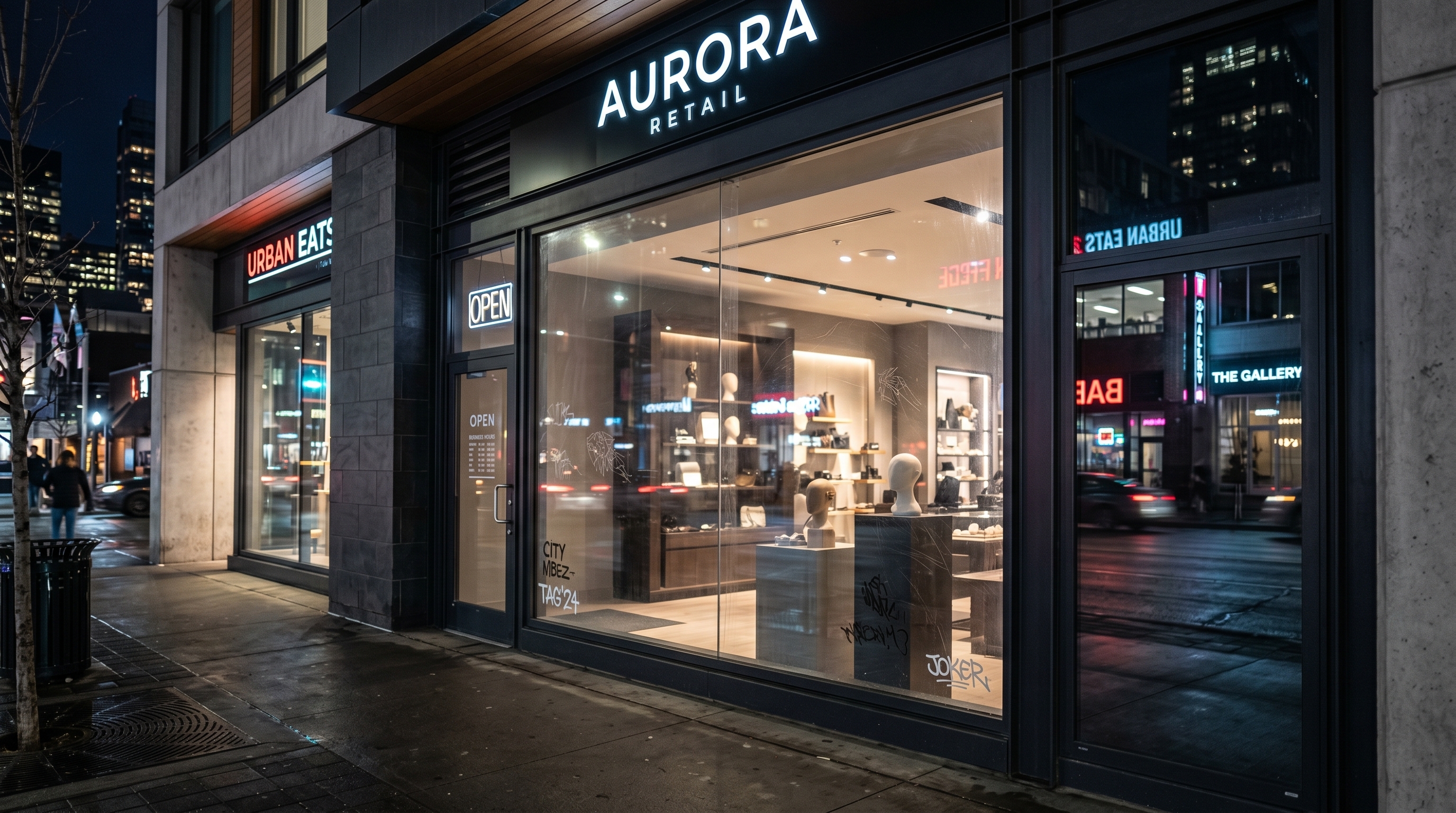
Commercial glass vandalism is a frustrating and expensive problem for many businesses. Storefront windows, glass doors, and exterior glass panels are often easy targets for graffiti, scratching, acid etching, and other forms of intentional damage.
For retail stores, restaurants, office buildings, and mixed-use commercial properties, repeated vandalism can quickly turn into a costly maintenance issue. Property owners may face ongoing cleanup expenses, emergency service calls, damaged storefront appearance, and even full glass replacement after severe scratching or etching.
The problem is that once commercial glass is deeply scratched or chemically etched, cleaning usually is not enough to restore the surface. In many cases, the only permanent fix is replacing the damaged glass entirely.
That is why many businesses are turning to anti-graffiti film as a preventive solution instead of waiting for damage to happen first.
Anti-graffiti film acts as a sacrificial protective layer applied directly to the glass surface. If vandals scratch, mark, or etch the film, the damaged layer can often be removed and replaced without replacing the original glass underneath.
For businesses located in high-traffic urban areas, shopping centers, transit corridors, or repeat tagging zones, this type of protection can help reduce long-term maintenance costs while preserving storefront appearance.
In this guide, we’ll explain how anti-graffiti film works, what types of vandalism it helps protect against, and why many commercial property owners use it to reduce recurring glass damage.
Commercial storefront glass is designed to create visibility, attract customers, and make businesses feel open and accessible. The problem is that this same visibility also makes glass one of the easiest surfaces for vandals to target.
Large exterior windows and glass doors are constantly exposed to public traffic, especially in busy retail districts, shopping centers, and urban commercial areas. Once a property becomes a repeated target, vandalism often continues unless stronger protective measures are added.
Glass vandalism is not limited to spray paint alone. Many businesses deal with repeated surface damage that permanently affects storefront appearance.
Some of the most common forms of vandalism include:
Acid etching is especially expensive because chemicals can permanently cloud or scar the glass surface. Once this happens, polishing often cannot fully restore clarity.
For many storefronts, severe scratching or etching eventually leads to full glass replacement.
Retail storefronts attract attention by design. Large display windows, bright lighting, and high pedestrian visibility make them easier to notice from sidewalks and streets.
Businesses located in:
often experience higher vandalism exposure because of increased nighttime foot traffic.
Glass facing sidewalks or parking lots may also become easier targets after business hours when fewer employees or customers are around.
Some commercial properties experience vandalism more frequently because of their location, visibility, or public access.
Commonly affected properties include:
Businesses with large street-facing windows usually face the highest exposure because vandals can access the glass quickly without entering the building.
In many urban commercial districts, vandalism follows repeat patterns.
Some areas experience:
Properties located near bars, entertainment venues, or public transportation hubs may see more recurring incidents due to heavier nighttime pedestrian activity.
Once a storefront appears neglected or repeatedly damaged, it can sometimes attract additional vandalism.
Even minor vandalism becomes expensive when it happens repeatedly.
Businesses may face ongoing costs related to:
Repeated storefront damage can also affect customer perception. Scratched or vandalized glass may make a property appear poorly maintained, even when the business itself operates professionally.
For many commercial property owners, preventive protection becomes more affordable than constantly repairing damaged glass surfaces.
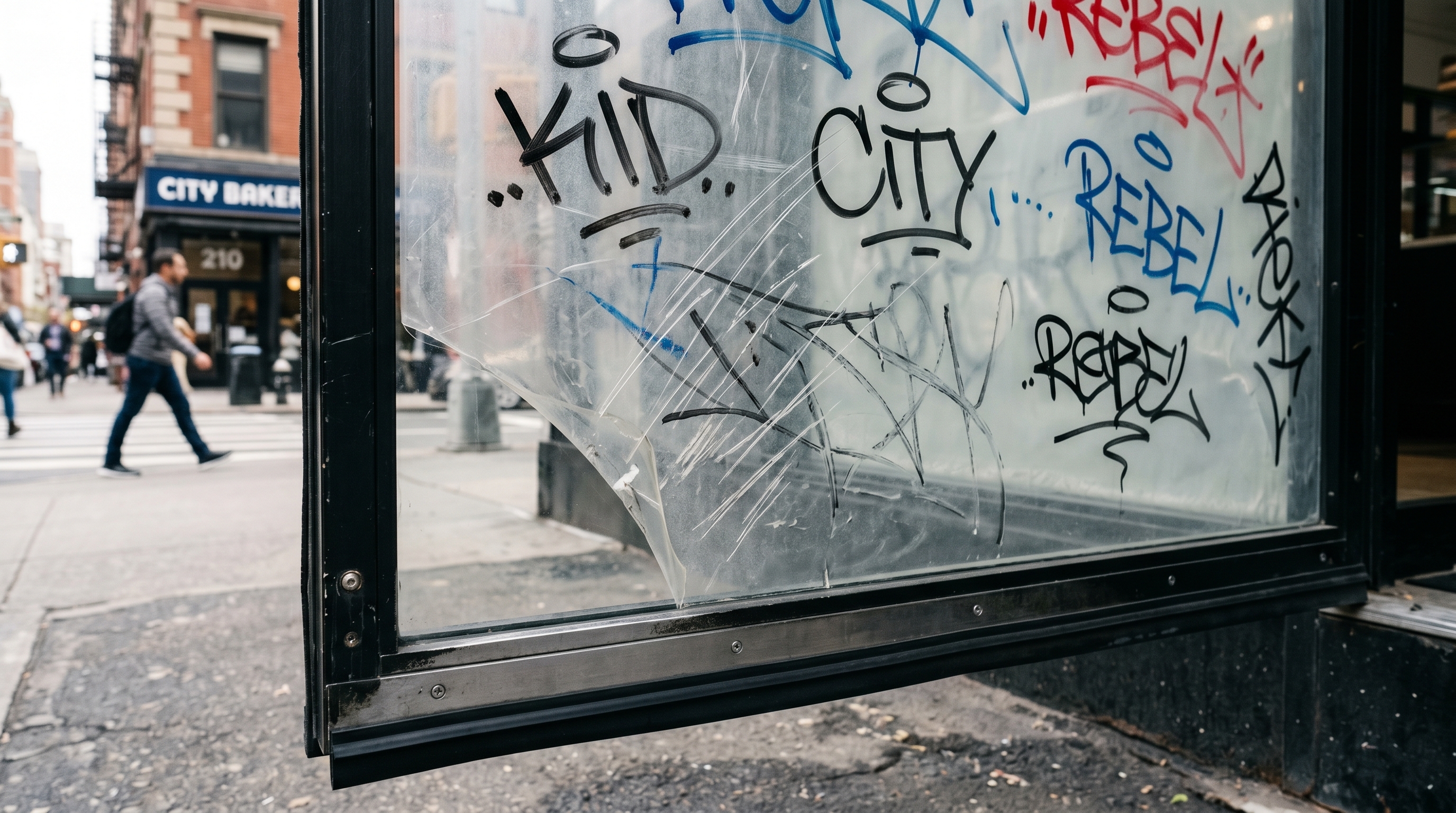
Anti-graffiti film is designed to protect commercial glass from surface-level damage caused by vandalism. Instead of allowing scratches, paint, or chemical etching to damage the actual glass, the film absorbs the damage first.
This creates a removable protective barrier that helps businesses preserve storefront appearance while reducing expensive glass replacement costs.
Anti-graffiti film acts as a clear protective layer applied directly to glass surfaces.
Its primary purpose is to:
Most films are optically clear, which allows businesses to maintain the appearance of storefront windows and glass doors without dramatically changing visibility.
The film itself becomes the sacrificial surface instead of the original glass underneath.
This is important because commercial storefront glass can be expensive and time-consuming to replace, especially for oversized panels or custom systems.
Anti-graffiti film is commonly called a sacrificial film system because the film is designed to take damage in place of the glass.
When vandals scratch, mark, or etch the surface, the film absorbs the damage first. If the vandalism becomes severe, the damaged layer can often be removed and replaced while leaving the original glass intact.
The process usually works like this:
Replacing protective film is typically much faster and less expensive than replacing commercial glass panels.
For businesses in repeat vandalism areas, this can significantly reduce long-term maintenance expenses.
Different forms of vandalism affect glass in different ways.
Anti-graffiti film can help reduce damage from:
Acid etching is one of the most damaging forms of glass vandalism because chemicals can permanently scar the surface. Once etched, the glass often cannot be fully restored through cleaning alone.
The protective film helps create separation between the vandalism and the actual glass surface underneath.
Many films also allow paint, marker residue, and adhesives to be cleaned more easily before permanent damage occurs.
If vandals damage the anti-graffiti film itself, the goal is usually to replace only the affected protective layer instead of the entire glass panel.
This can help businesses:
Film replacement is generally simpler than replacing full storefront glass systems, especially for larger commercial windows.
Properties located in high-foot-traffic areas often benefit from having a replaceable protection layer already in place before vandalism occurs.
Replacing commercial storefront glass can become extremely expensive over time.
Costs may include:
Anti-graffiti film helps businesses avoid many of these recurring expenses by protecting the original glass surface from permanent damage.
Instead of replacing large glass panels after repeated scratching or etching, businesses may only need to replace the damaged protective film layer.
For commercial properties dealing with recurring vandalism, this difference can create substantial long-term savings while helping storefronts maintain a cleaner and more professional appearance.
Commercial property owners often focus on repairing vandalism after damage appears. Anti-graffiti film changes that approach by helping businesses reduce permanent glass damage before repairs become expensive.
For many storefronts, the biggest advantage is not just protection. It is the ability to maintain a cleaner, more professional appearance without constantly replacing damaged glass.
Commercial storefront glass can be costly to replace, especially for large custom panels or specialty glazing systems.
Once glass is deeply scratched or chemically etched, restoration options become limited. In many situations, full replacement becomes the only realistic solution.
Anti-graffiti film helps preserve the original glass surface by taking the damage first. Replacing a sacrificial film layer is usually far less expensive than replacing an entire storefront window system.
For businesses dealing with repeat vandalism, the long-term savings can become significant over time.
Storefront appearance matters for customer perception. Scratched, etched, or vandalized glass can make a property look neglected even when the business itself is professionally maintained.
Most anti-graffiti films are optically clear, allowing businesses to maintain natural visibility and storefront presentation without creating a dark or reflective appearance.
This helps retail stores, restaurants, and office buildings protect glass surfaces while preserving branding, window displays, and curb appeal.
Graffiti and surface damage often require immediate attention, especially for customer-facing businesses.
Anti-graffiti film can simplify cleanup because paint, marker residue, and surface damage affect the film layer instead of the actual glass underneath.
If damage becomes severe, replacing the film is generally faster than coordinating full glass replacement and restoration work.
This can help businesses restore storefront appearance more quickly after vandalism incidents.
Businesses with large storefront windows rely heavily on presentation and visibility. Customers notice damaged glass immediately, especially in retail and hospitality environments.
Anti-graffiti film helps businesses maintain a cleaner and more consistent exterior appearance even in high-traffic urban areas where vandalism may occur more frequently.
This added protection can be especially valuable for businesses located in shopping centers, entertainment districts, transit corridors, or heavily trafficked downtown areas.
Repeated vandalism creates ongoing maintenance costs that can slowly add up over time.
Property owners may otherwise spend money on:
Protective film systems help reduce how often the original glass surface becomes permanently damaged. For many commercial properties, that makes preventive protection more cost-effective than constantly repairing exposed glass.
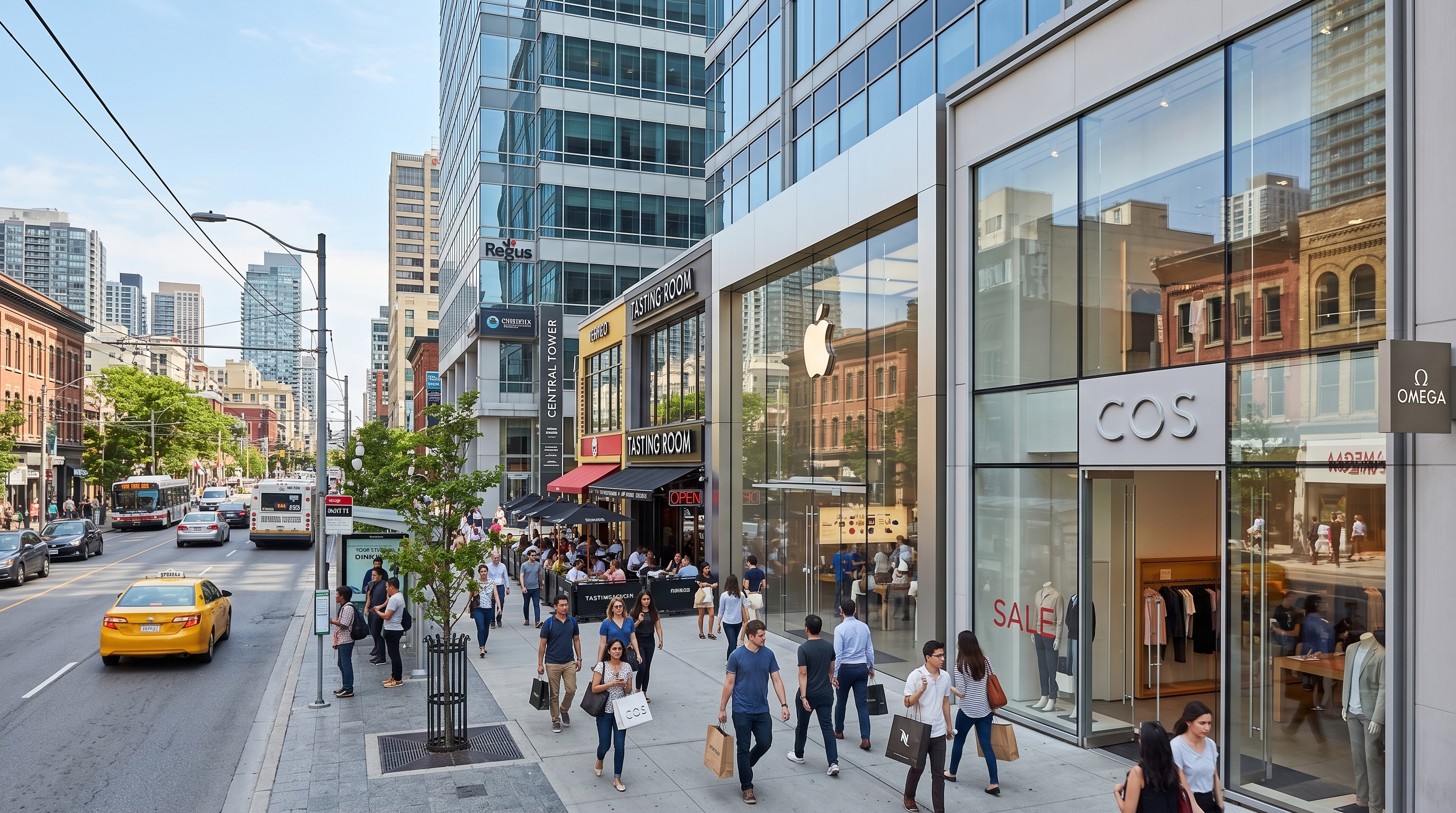
Vandalism can affect almost any commercial property with exposed exterior glass. Some buildings face occasional damage, while others deal with repeated tagging, scratching, or etching throughout the year.
Anti-graffiti film is commonly used in environments where storefront appearance, visibility, and ongoing maintenance costs are major concerns.
Retail stores often have large street-facing windows designed to attract attention and display merchandise. Unfortunately, that visibility also makes storefront glass easier to target.
Shopping centers and standalone retail buildings located near busy roads, nightlife areas, or heavy pedestrian traffic may experience repeated graffiti or scratching on exterior glass surfaces.
Anti-graffiti film helps retail businesses protect storefront appearance without changing window visibility or display quality. If vandalism occurs, the damaged film can usually be replaced more easily than the glass itself.
Restaurants, cafes, hotels, and entertainment venues rely heavily on clean exterior presentation. Damaged glass near entrances or dining areas can affect customer perception quickly.
Hospitality properties located in downtown districts or entertainment corridors often face increased exposure after business hours because of heavier nighttime activity nearby.
Protective film helps these businesses maintain cleaner storefronts while reducing long-term repair and maintenance concerns tied to recurring vandalism.
Office buildings frequently use large glass systems in lobbies, entryways, and street-facing common areas.
Mixed-use developments with retail space at ground level may also experience higher vandalism exposure because of constant public access around the property.
For property managers, anti-graffiti film can help reduce maintenance calls and preserve building appearance without requiring repeated glass replacement.
Schools, municipal buildings, libraries, and public facilities often face vandalism because of high daily traffic and accessible exterior glass surfaces.
Scratches, graffiti, and etching can become ongoing maintenance issues for facilities departments, especially on buildings with large window systems or transit-facing exposure.
Protective film creates a replaceable surface that can simplify maintenance while helping preserve the original glass underneath.
Transit stations, transportation hubs, and heavily trafficked urban corridors experience some of the highest rates of glass vandalism.
Constant pedestrian activity, public access, and late-night exposure increase the likelihood of repeated scratching, tagging, and surface damage.
For these environments, anti-graffiti film helps reduce recurring restoration costs while allowing damaged protective layers to be replaced more efficiently than full glass systems.
Many businesses respond to vandalism only after the damage becomes severe. The problem is that repeated scratching, tagging, and etching can slowly increase maintenance costs over time if the underlying vulnerability is never addressed.
Some property owners also rely on short-term fixes that do little to protect the glass itself.
One of the most common mistakes is delaying protection until the storefront glass already requires replacement.
Once deep scratches or acid etching affect the actual glass surface, restoration options become limited. In many cases, businesses end up paying for full glass replacement, emergency service calls, and installation labor that could have been avoided earlier.
Preventive protection is usually more affordable than recurring repairs and repeated replacement work.
Some businesses attempt to use temporary surface coatings or basic cleaning products as a vandalism solution.
While these products may help remove light residue, they generally do not provide meaningful protection against:
Anti-graffiti film works differently because it creates a physical sacrificial barrier between the vandalism and the original glass surface.
This helps businesses protect the glass itself instead of constantly trying to restore damaged surfaces afterward.
Recurring vandalism often follows predictable patterns. Businesses located in high-foot-traffic areas, nightlife districts, or transit corridors may experience repeated targeting if no additional protection is added.
Some property owners repeatedly clean or repair damage without addressing why the storefront remains vulnerable in the first place.
Identifying repeat exposure areas can help businesses make smarter long-term protection decisions.
Not all anti-graffiti films perform the same way. Low-quality materials may discolor, peel, or fail prematurely under exterior exposure.
Improper installation can also create visible defects, weak adhesion, or reduced durability over time.
Professional installation helps ensure the film maintains:
For commercial storefronts, proper installation quality can make a major difference in how well the protective system performs under repeated exposure.
Not all anti-graffiti films are built for the same environments. Commercial properties dealing with recurring vandalism need solutions that balance durability, visibility, and long-term maintenance performance.
The right film should protect the glass without negatively affecting storefront appearance or creating additional maintenance problems later.
Commercial property owners should focus on film performance instead of choosing products based only on price.
One of the most important features is optical clarity. A quality anti-graffiti film should remain clear and maintain storefront visibility without making the glass appear distorted or cloudy.
Scratch resistance also matters, especially for properties exposed to repeated surface damage or heavy pedestrian traffic. Stronger film materials can help absorb vandalism while protecting the original glass underneath.
Easy replacement is another important factor. Since anti-graffiti film works as a sacrificial layer, businesses should choose systems designed for efficient removal and replacement after damage occurs.
UV resistance can also help maintain long-term film appearance and reduce premature discoloration caused by sun exposure.
For exterior storefront applications, adhesive quality becomes especially important because weak adhesion may lead to peeling, bubbling, or edge lifting over time.
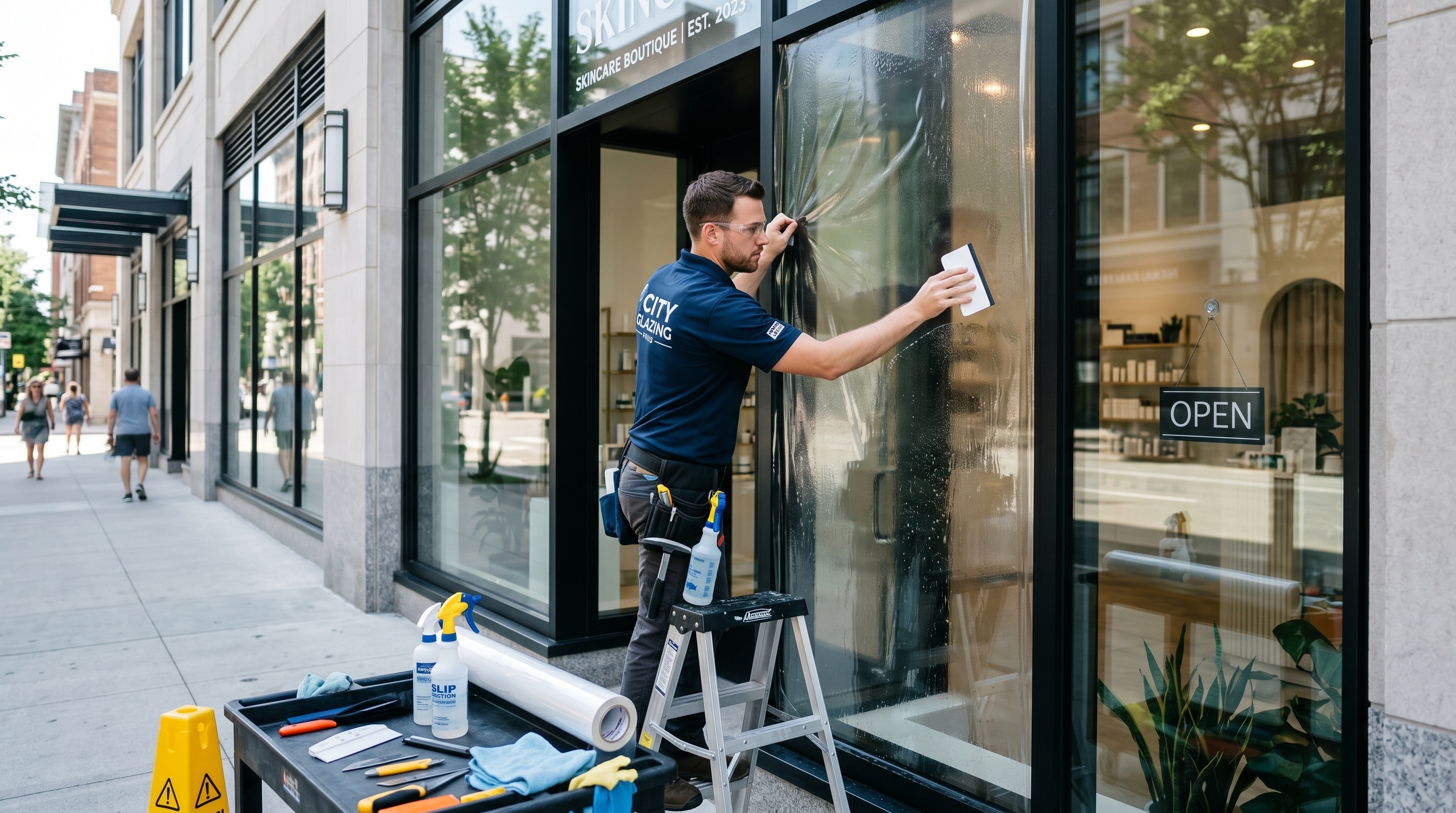
Professional installation plays a major role in how well anti-graffiti film performs on commercial glass.
Improper installation can create:
Commercial storefront systems often involve oversized glass panels, complex framing systems, or high-visibility customer-facing environments where installation quality becomes highly noticeable.
Experienced installers understand how to prepare the surface properly, apply the film evenly, and reduce visible defects during installation.
Before choosing a film provider, businesses should ask:
These questions can help property owners avoid lower-quality products that may not hold up well under long-term exposure.
Film replacement schedules depend heavily on location and exposure levels.
Properties in high-traffic urban environments or repeat vandalism zones may require more frequent replacement than buildings located in lower-risk commercial areas.
In many cases, the film itself may last for years unless it becomes intentionally damaged.
Routine inspections can help identify:
Replacing damaged film early often helps preserve the appearance and performance of the overall system.
Businesses should consider a professional assessment if they:
A commercial glass assessment can help identify vulnerable areas and determine which protective film systems best fit the property’s exposure level and maintenance goals.
Businesses often have questions about how anti-graffiti film performs in real-world commercial environments. Here are some of the most common concerns property owners ask before installing protective film on storefront glass.
Anti-graffiti film can help protect the original glass surface from acid etching by creating a sacrificial barrier between the chemical and the glass itself.
If the film becomes damaged by etching, the protective layer can often be removed and replaced while leaving the underlying glass intact.
This is one reason anti-graffiti film is commonly used in areas where recurring vandalism is a concern.
No. Anti-graffiti film does not make glass completely scratch-proof.
The goal is to absorb surface damage before it reaches the original glass underneath. The film itself may still become scratched or damaged during vandalism attempts.
The advantage is that replacing damaged film is usually much easier and less expensive than replacing commercial storefront glass.
Yes. Most anti-graffiti systems are designed so the damaged film layer can be removed and replaced without replacing the glass itself.
This sacrificial approach helps businesses restore storefront appearance more quickly after vandalism incidents while reducing long-term maintenance expenses.
Replacement is often faster and less disruptive than coordinating full glass replacement.
Most modern anti-graffiti films are optically clear and designed to maintain storefront visibility.
When professionally installed, the film usually has minimal visual impact on the appearance of commercial glass.
This allows businesses to protect storefront windows without significantly affecting branding, visibility, or customer-facing presentation.
Film lifespan depends on exposure conditions, maintenance, and vandalism frequency.
In many commercial environments, professionally installed anti-graffiti film can last for years before replacement is needed.
Properties exposed to repeated vandalism or harsh exterior conditions may require more frequent replacement depending on the amount of surface damage the film absorbs.
Commercial glass vandalism can become an ongoing and expensive problem for businesses that rely on clean storefront presentation and visible customer-facing spaces. Scratches, graffiti, and acid etching not only damage the appearance of a property but can also lead to costly repairs and repeated maintenance over time.
Anti-graffiti film gives commercial property owners a practical way to reduce permanent glass damage before replacement becomes necessary. By creating a sacrificial protective layer, the film helps absorb surface damage while preserving the original glass underneath.
This type of protection can be especially valuable for storefronts located in busy retail districts, nightlife areas, transit corridors, and other high-traffic commercial environments where vandalism may happen more frequently.
Waiting until glass becomes permanently damaged often leads to higher repair costs and more operational disruption. Preventive protection helps businesses maintain storefront appearance while reducing long-term maintenance concerns.

No Comments Yet
Let us know what you think