

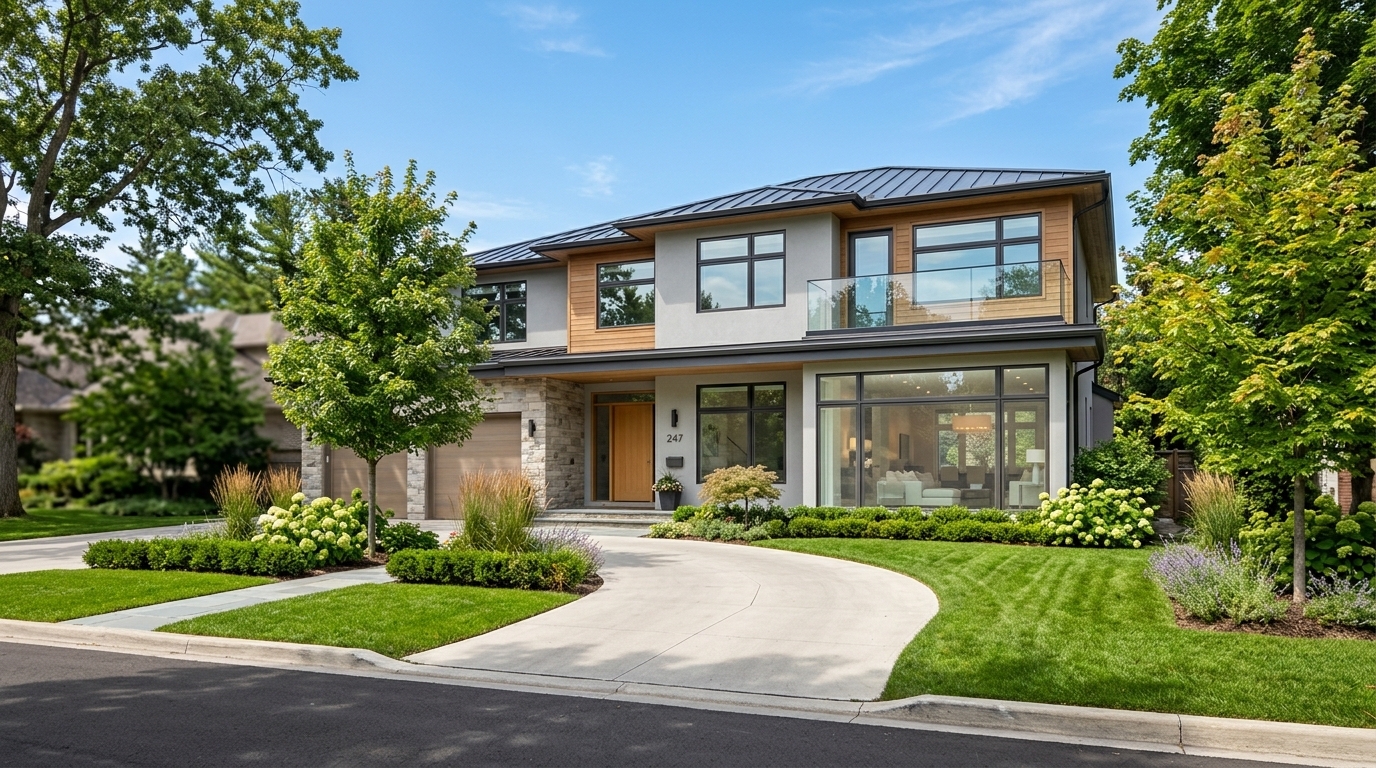
Most homeowners assume energy efficiency means ripping out walls, replacing every window, or installing an entirely new HVAC system. Those upgrades can cost tens of thousands of dollars and take weeks of disruptive construction.
The truth? The biggest source of wasted energy in most homes is far simpler to fix than you think.
Up to 30% of a home's heating and cooling energy escapes through its windows, according to the U.S. Department of Energy. That number climbs even higher in homes with older single-pane glass or south-facing and west-facing window walls.
The good news is that you can tackle the problem without a single renovation permit. Simple, non-invasive upgrades like solar control window film, weatherstripping, caulking, and smart thermostat programming can dramatically reduce your energy bills starting the same week you implement them.
This guide breaks down the most effective strategies to improve home energy efficiency, ranked by impact and cost. No demolition crews required.
Your windows are your home's biggest thermal vulnerability. They are thinner, less insulated, and more exposed to direct sunlight than any wall, ceiling, or floor in the building envelope.
Even modern dual-pane windows allow significant heat transfer through the glass itself. Older single-pane windows are worse, offering roughly the same insulation as a sheet of cardboard.
Solar heat gain is the temperature increase inside your home caused by direct sunlight passing through glass. It is one of the primary reasons your air conditioner runs nonstop during summer months.
South-facing and west-facing windows take the hardest hit. Afternoon sun pouring through a large west-facing window can raise the room temperature by 10 to 15 degrees above the thermostat setting.
A single large, untreated window can add the thermal equivalent of a space heater running all day during peak sun hours. Your air conditioning system compensates by cycling more frequently, consuming more electricity, and wearing down faster.
The result is an electric bill that spikes every June through September.
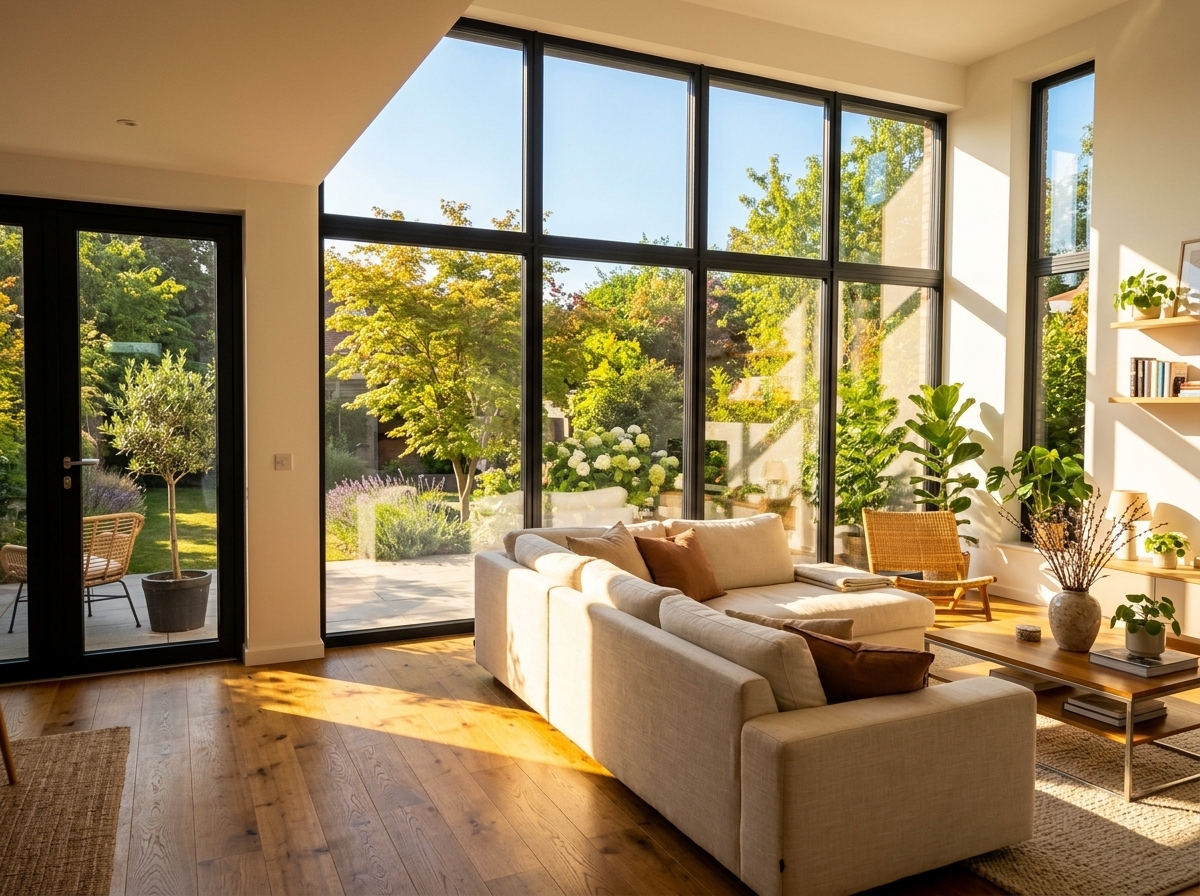
Visible light is only part of the solar energy equation. Infrared radiation, the invisible heat energy from the sun, accounts for roughly 53% of the total solar energy that hits your glass.
Standard residential windows block almost none of it. That infrared energy passes straight through and heats your furniture, hardwood floors, rugs, and walls. These surfaces absorb the heat and re-radiate it into the room, turning your living spaces into heat sinks that stay warm long after the sun has set.
This is why a room with large windows can feel stuffy and hot even after you have been running the AC for hours. The glass keeps letting more heat in faster than your HVAC system can remove it.
Beyond the temperature problem, untreated windows also allow nearly 100% of ultraviolet radiation to enter your home. UV rays are responsible for the fading and degradation of furniture, flooring, artwork, and fabrics.
Replacing a sun-bleached hardwood floor costs thousands. Reupholstering a faded sofa is not cheap either. These hidden costs add up over years of UV exposure that could have been prevented with a simple film application.
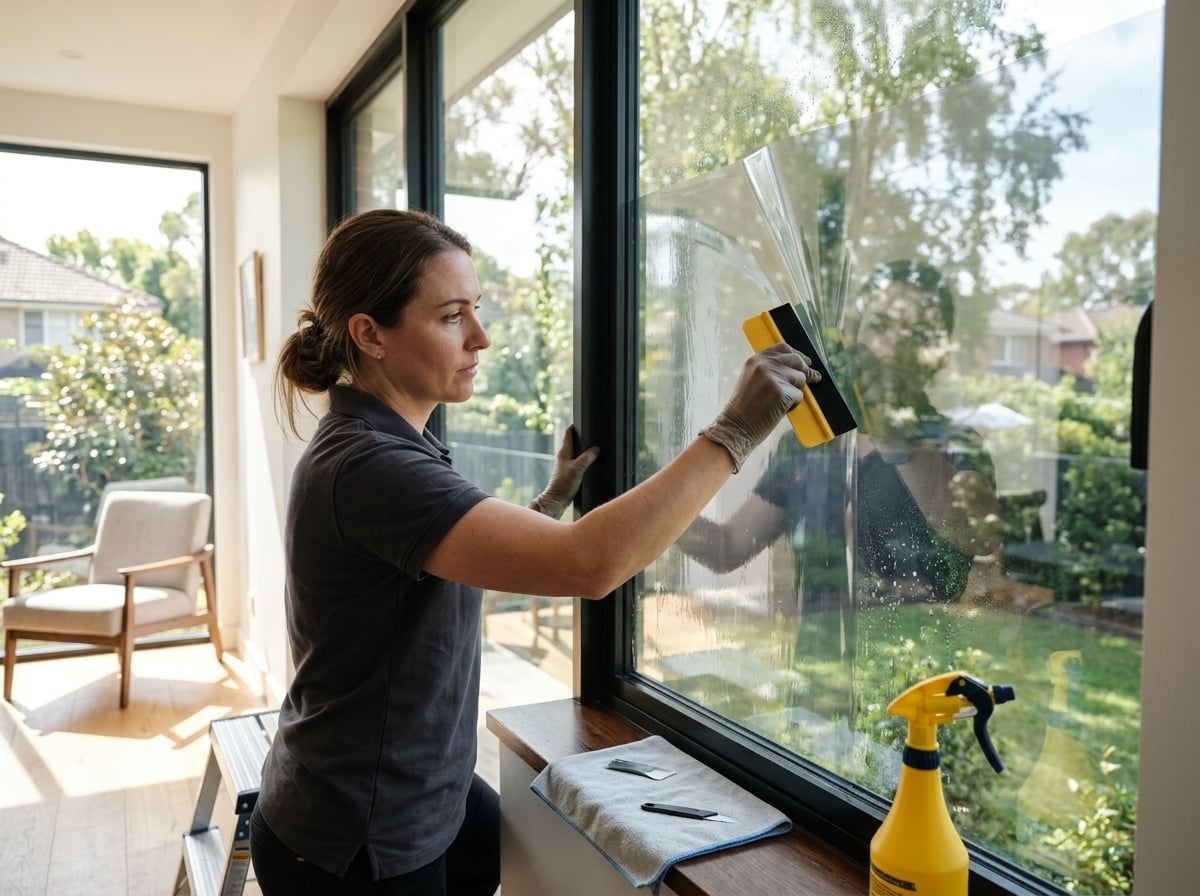
Solar control window film is a thin, optically clear layer applied directly to your existing glass. It works by selectively filtering solar energy before it enters your home, rejecting heat while preserving natural light.
There is no window replacement involved. No construction. No disruption to your daily life. Professional installation typically takes a few hours for an average-sized home.
High-performance solar control films can reject up to 80% of infrared solar heat while still allowing the majority of visible light through. That means your rooms stay brighter and more inviting without the temperature penalty that comes with large windows.
The energy savings are measurable and immediate. Homeowners typically see a 5% to 15% reduction in cooling costs after installation, depending on the amount of glass surface area treated and the home's orientation.
In sunbelt states like California, Texas, Arizona, and Florida, the savings can be even more dramatic because air conditioning accounts for a larger share of total energy use. Some homeowners report paying for the film installation within the first two cooling seasons.
Replacing all the windows in an average home with new Low-E glass units can cost $15,000 to $30,000 or more, depending on the number and size of windows. The project typically requires weeks of scheduling, permitting, and installation time.
Low-E window film delivers similar thermal performance at a fraction of the price. The film adds a microscopically thin metallic or ceramic Low-E coating to your existing glass, reflecting radiant heat back toward its source.
In summer, it reflects solar heat away from your interior. In winter, it reflects your interior warmth back into the room, reducing heat loss through the glass. You get year-round thermal improvement without touching the window frames, walls, or trim.
This is the most common concern homeowners raise. The short answer: no.
Modern ceramic and spectrally selective films are engineered to target infrared heat and UV radiation while allowing visible light to pass through with minimal tint. These are not the dark, mirror-like films from decades ago.
You keep your views and your daylight. What you lose is the uncomfortable heat, the harsh glare on screens and surfaces, and up to 99% of the UV rays that fade your furniture and flooring.
The difference is noticeable the moment you stand next to a filmed window on a hot afternoon. You feel the warmth on the other side of the glass instead of in your living room.
Even if your glass is perfectly treated with film, air leaks around the window and door frames can still sabotage your energy efficiency. Gaps as small as 1/16 of an inch allow conditioned air to escape continuously.
The cumulative effect of small leaks across every window and door in a house is equivalent to leaving a window wide open 24 hours a day.
Self-adhesive weatherstripping is one of the cheapest and most effective energy upgrades you can make. A roll costs a few dollars and installs in minutes with no tools beyond a utility knife and clean hands.
Focus your effort on the highest-impact areas first:
Weatherstripping degrades over time from compression, sunlight exposure, and temperature cycling. Plan to inspect and replace it every two to three years for maximum performance.
Run your hand slowly along the trim around any window on a windy day. If you feel air movement, your caulk has cracked, shrunk, or separated from the surface.
A single tube of exterior-grade silicone caulk costs under $10 and can seal every window in a standard room. Pay close attention to the joint between the window frame and the wall, the corners of exterior trim, and any visible gaps around penetrations like dryer vents or electrical outlets on exterior walls.
This is a one-afternoon project that reduces drafts immediately. Combined with window film, it creates a much tighter building envelope without touching the structure.
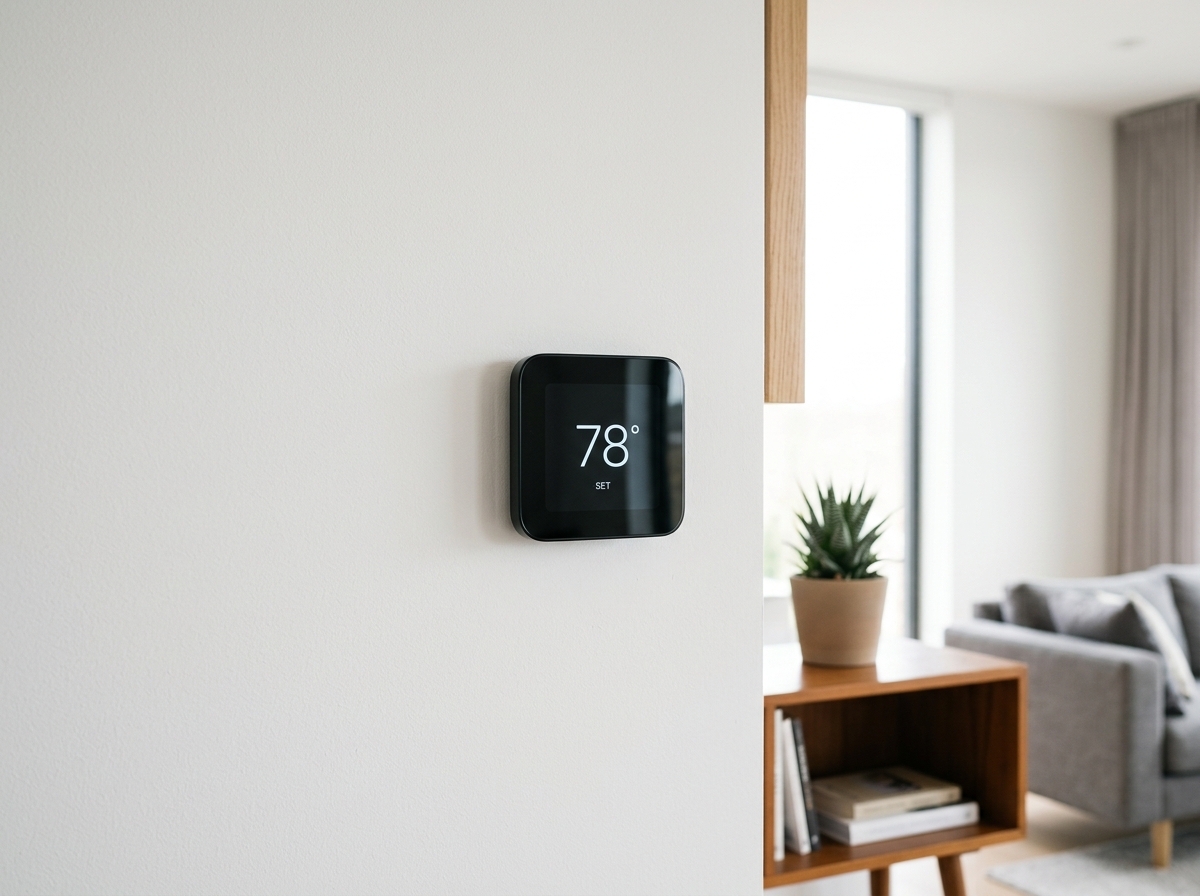
Your thermostat controls the single biggest energy consumer in your home: the HVAC system. Heating and cooling typically account for 40% to 50% of total household energy use.
A smart thermostat learns your schedule and adjusts temperatures automatically. But even basic programmable thermostats offer enormous savings when configured correctly.
The U.S. Department of Energy recommends the following settings for the best balance of comfort and efficiency:
Each single degree of thermostat adjustment saves roughly 1% on your energy bill. Over a full heating or cooling season, adjusting by just 3 to 5 degrees during away hours adds up to meaningful savings.
The key is consistency. Your HVAC system uses the most energy during startup surges. Maintaining a narrower temperature range is more efficient than letting the house get extremely hot or cold and then blasting it back to a comfortable level.
Many homeowners unknowingly cool or heat an empty house for eight or more hours every workday. That wasted energy accounts for a significant portion of their annual bill.
A programmable thermostat eliminates that waste entirely. Set it to raise the temperature 15 to 20 minutes after you leave for work, and begin cooling 30 minutes before you arrive home.
You walk into a comfortable house without paying to condition an empty one all day. Modern smart thermostats like Nest, Ecobee, and Honeywell Home can even detect when you leave early or come home late and adjust automatically.
Window film and smart thermostats deliver the biggest return on investment, but several other low-cost changes amplify the impact when combined together.
Solar control window film is the most cost-effective option for improving window thermal performance. It costs a fraction of full window replacement and delivers measurable heat reduction the same day it is installed.
Weatherstripping and caulking are even cheaper per-unit but address air leaks around the frame, not heat transfer through the glass itself. The best approach is to combine both: seal the leaks and film the glass.
Yes. Independent studies and real-world homeowner data confirm that solar control window film can reduce cooling costs by 5% to 15%, depending on your home's glass area, orientation, and local climate.
Homes with large south-facing or west-facing glass exposures in hot climates often see savings at the higher end of that range. The film also reduces heating costs in winter by reflecting interior heat back into the room.
Professional-grade window film from reputable manufacturers lasts 15 to 25 years with proper care. Most products carry a manufacturer warranty that covers peeling, bubbling, discoloration, and adhesive failure.
Maintenance is minimal. Clean filmed windows with a soft cloth and a non-ammonia cleaner. Avoid abrasive scrubbers that could scratch the film surface.
Low-E window film works year-round. In summer, it reflects solar heat away from your interior. In winter, it reflects your home's radiant heat back into the room, reducing heat loss through the glass.
This dual-season performance is what makes Low-E film a better long-term investment than standard solar control films that primarily address summer heat gain.
Energy-efficient improvements consistently rank among the top features homebuyers look for, especially in markets where utility costs are high. Window film, smart thermostats, and proper insulation all contribute to a higher-performing home that appraises better and sells faster.
Buyers increasingly expect energy-efficient features as a baseline. Homes without them face price resistance in competitive markets.
For best results, yes. Professional installation ensures the film is applied without bubbles, creases, or contamination that can shorten its lifespan. Professionals also trim the film precisely to fit each pane and select the correct product for your glass type, which is critical for dual-pane and tempered glass windows that require specific film compatibility.
You do not need to tear apart your home to slash your energy bills. The most effective upgrades are also the simplest: solar control window film on your glass, sealed air leaks around your frames, and smart thermostat programming to eliminate waste hours.
These changes work together as a system. Film handles heat transfer through the glass. Weatherstripping and caulk handle air leaks around the frame. Smart thermostats handle the hours when nobody is home.
Combined, they create a tighter, cooler, more comfortable home that costs significantly less to operate year-round. Most homeowners recoup the investment within the first year through lower utility bills.
Ready to find out how much you could save? Contact American Window Film for a free consultation and learn what solar control film can do for your home.


No Comments Yet
Let us know what you think