

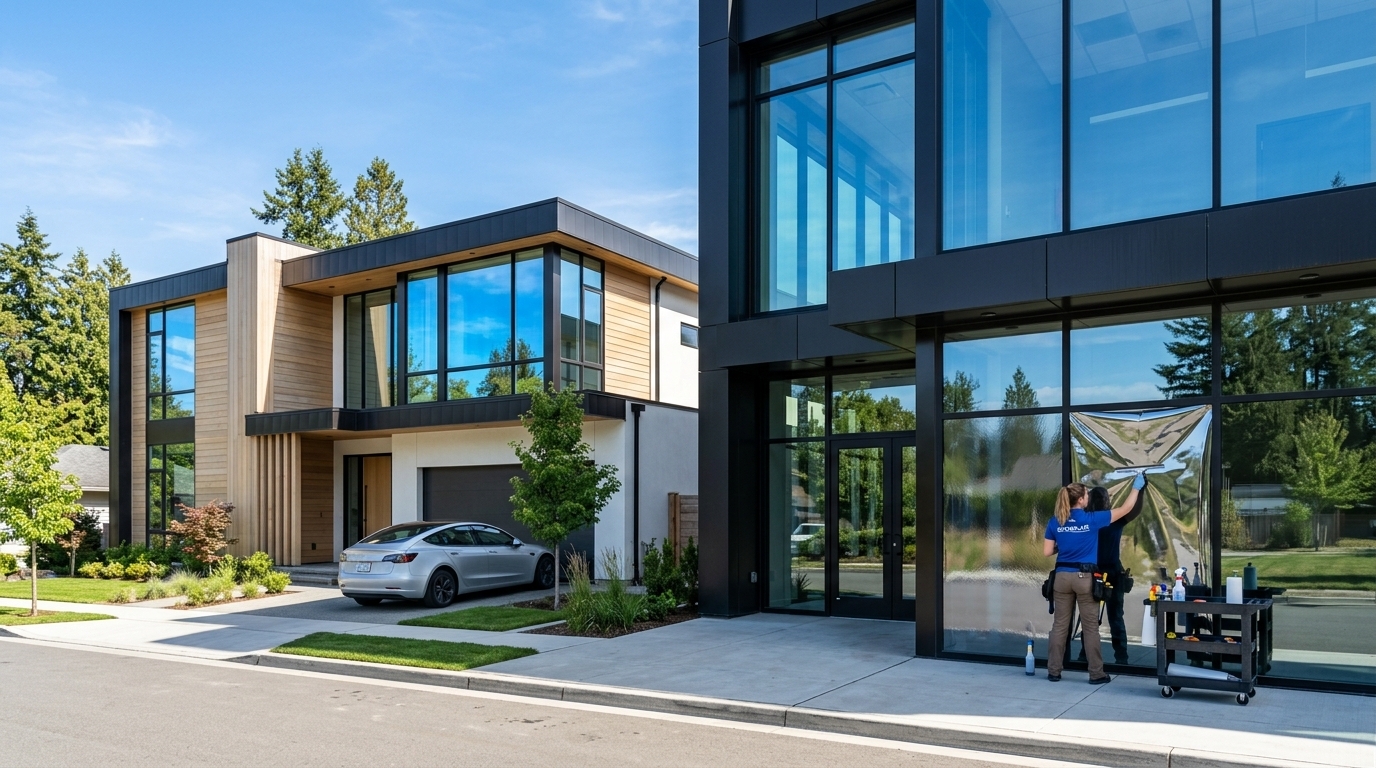
Are you trying to decide between upgrading your building glass with high-performance coatings or replacing the entire window units? Property owners often struggle with the decision of how to optimize building energy performance while keeping capital expenditures low.
Modern energy costs continue to rise, putting pressure on both household budgets and commercial operating statements. Inefficient windows are the single largest source of thermal loss in most structures.
Understanding your window film return on investment is the first step toward making a smart, cost-effective capital improvement. Choosing the right upgrade can lower your monthly property operating expenses and improve the comfort of everyone inside.
For buildings with structurally sound frames, solar control coatings provide a rapid financial payback. Let us explore the real financial difference between applying window film and replacing your windows.
Determining the upfront financial commitment is essential for budgeting your building upgrades. Comparing these two improvements highlights a massive difference in initial capital requirements.
| Comparison Metric | Solar Window Film | Full Window Replacement |
| Upfront Cost | $8 to $22 per square foot | $50 to $150+ per square foot |
| Average Payback Period | 2 to 5 years | 15 to 25+ years |
| Installation Impact | Fast, minimal disruption | Major construction, noisy |
| Primary Benefit | Heat rejection and UV block | Resolves structural failure |
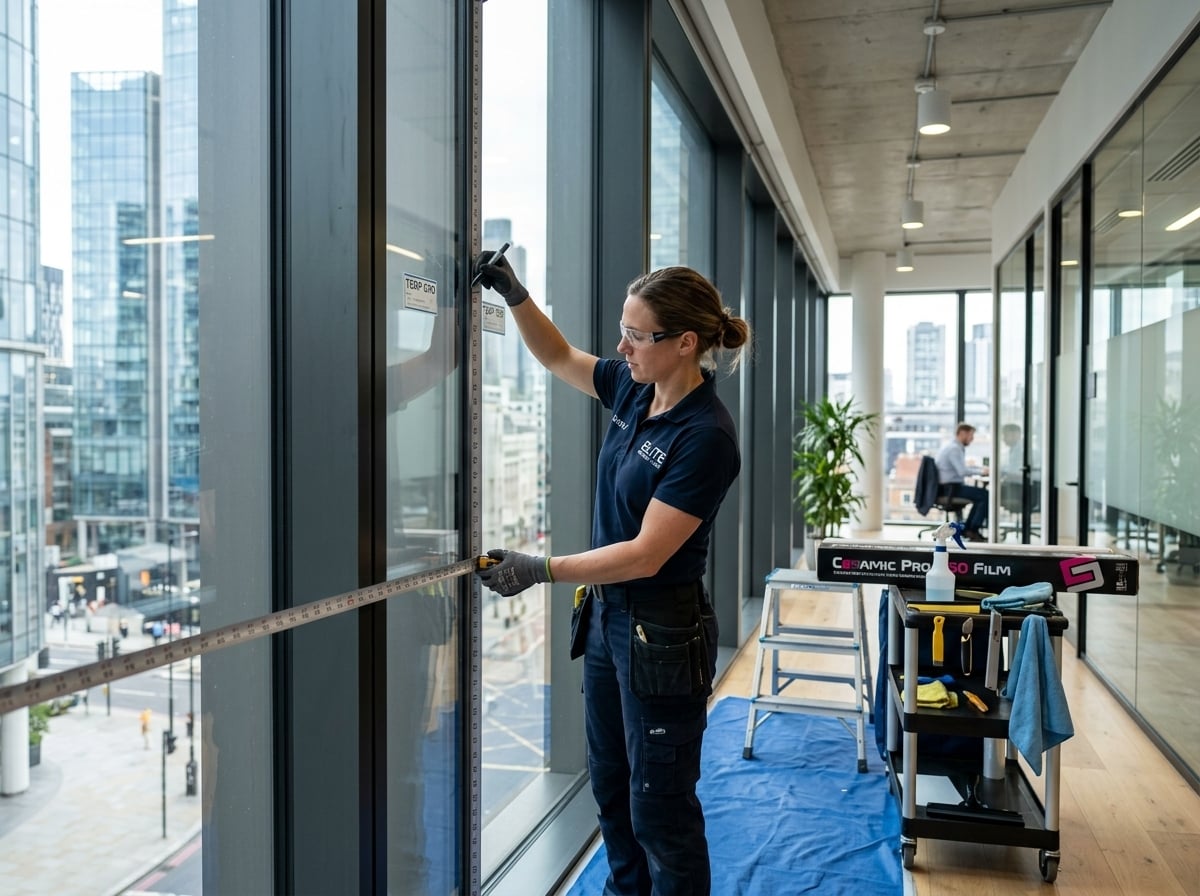
Applying solar control film is significantly more affordable than purchasing and installing new window units. In fact, professional window film installation typically costs only a small fraction of a full glass replacement.
The average commercial window tinting cost ranges from eight to twenty-two dollars per square foot. In contrast, replacing the actual glass and frame structure can easily exceed one hundred dollars per square foot.
High-rise buildings face even steeper installation costs due to the need for exterior staging and crane rentals. Window film can be installed entirely from the interior, avoiding these expensive logistical hurdles.
Choosing film allows you to bypass the expensive labor of demolition and framing. You can upgrade the performance of your entire property without the high price tag of complete replacement.
While some seek to save on labor, understanding common DIY window film mistakes highlights the value of hiring a professional installer. Expert application ensures a bubble-free finish and preserves the manufacturer warranty.
When analyzing window film vs double pane replacement cost, the numbers clearly favor retrofitting. Installing new double-pane windows requires buying brand-new sash structures and paying for expert carpenters.
Vinyl and wood replacement frames add thousands of dollars to your project invoice. These materials also require ongoing sealing and painting to maintain their structural integrity.
Retrofitting existing single or double-pane windows with a high-performance coating delivers similar solar control at a minimal cost. You get the immediate benefit of improved thermal performance without paying for new glass materials.
This makes retrofitting the ideal choice for properties where the existing window frames are still in excellent shape. You avoid throwing away functional materials and instead enhance their energy performance directly.
Homeowners and business owners can upgrade their thermal envelope without the waste of discarding perfectly good glass. Retrofitting aligns with environmental sustainability goals by reducing landfill waste from demolition.
Knowing how long does window film take to pay for itself helps you project your building cash flow. The rapid payback period of retrofitting makes it one of the most attractive building upgrades.
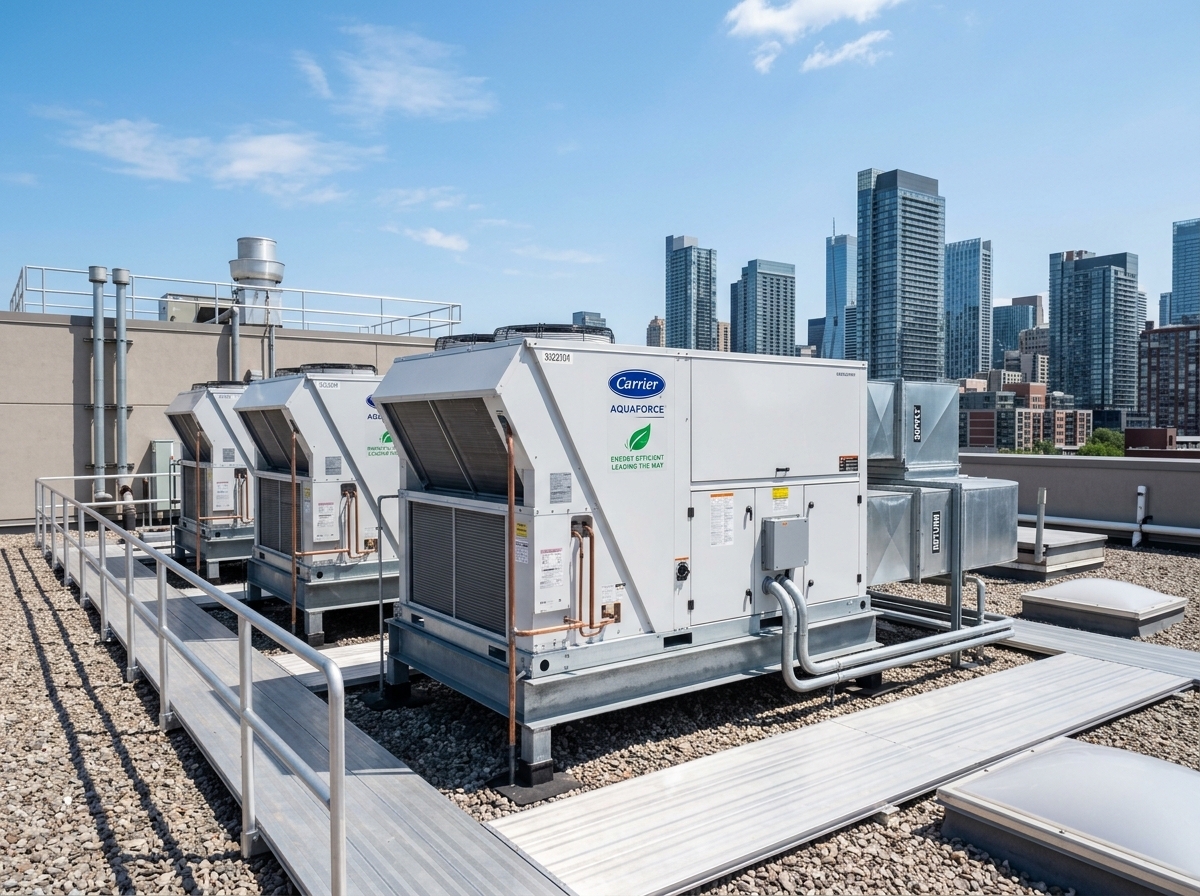
Calculating the window film payback period for commercial buildings reveals an incredibly fast return on your investment. Most commercial properties achieve complete payback within two to five years.
This speed is driven by the immediate HVAC workload reduction during peak summer cooling months. By blocking solar heat before it enters, the film reduces the runtime of heavy rooftop air conditioners.
Many utility companies offer cash rebates for buildings that install solar control coatings. These local incentives reduce your upfront costs and shorten your payback period even further.
Lowering the strain on your air conditioning units also delays expensive equipment replacements. These combined energy efficiency improvements keep more cash in your operating budget, maximizing the benefits of commercial window film for years to come.
Commercial managers can allocate these utility savings directly to other property maintenance areas. Reducing peak electrical demand charges provides an additional financial bonus during hot summer afternoons.
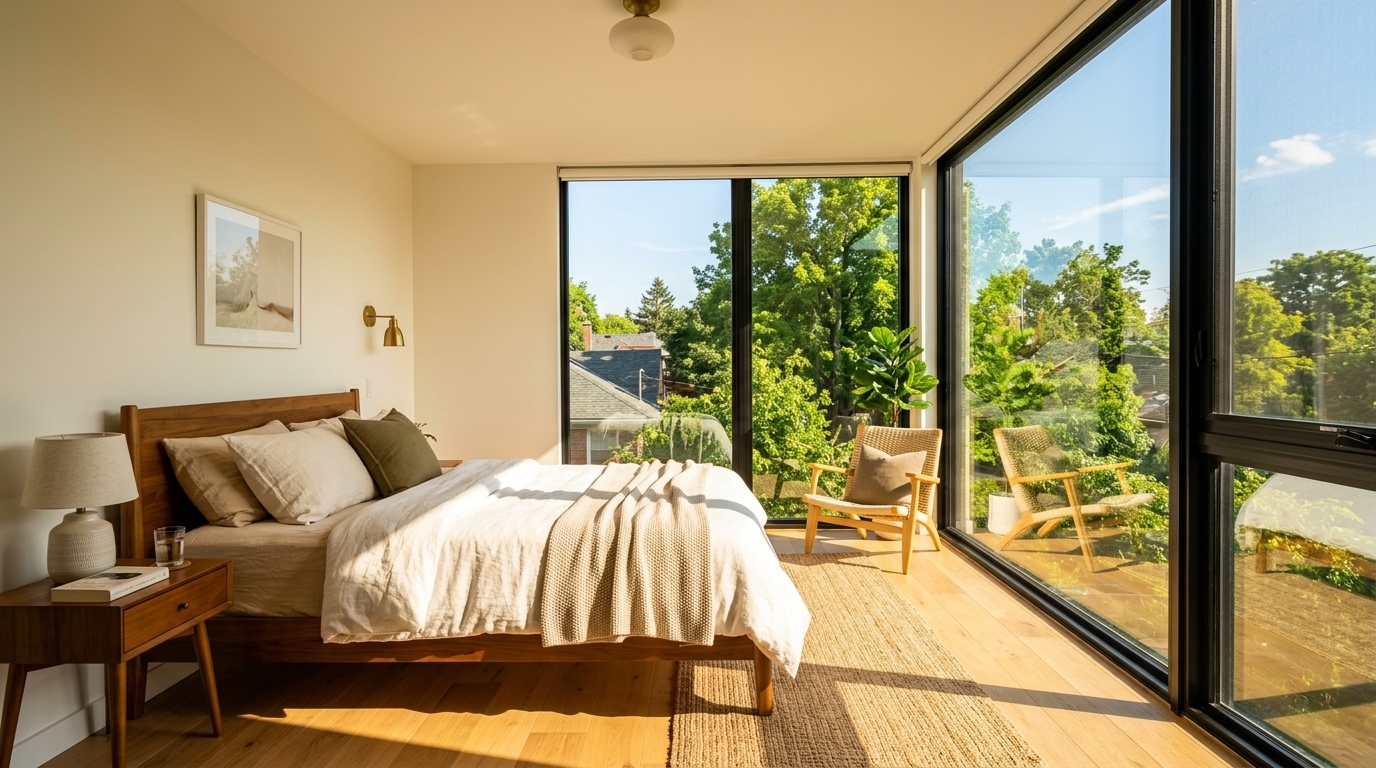
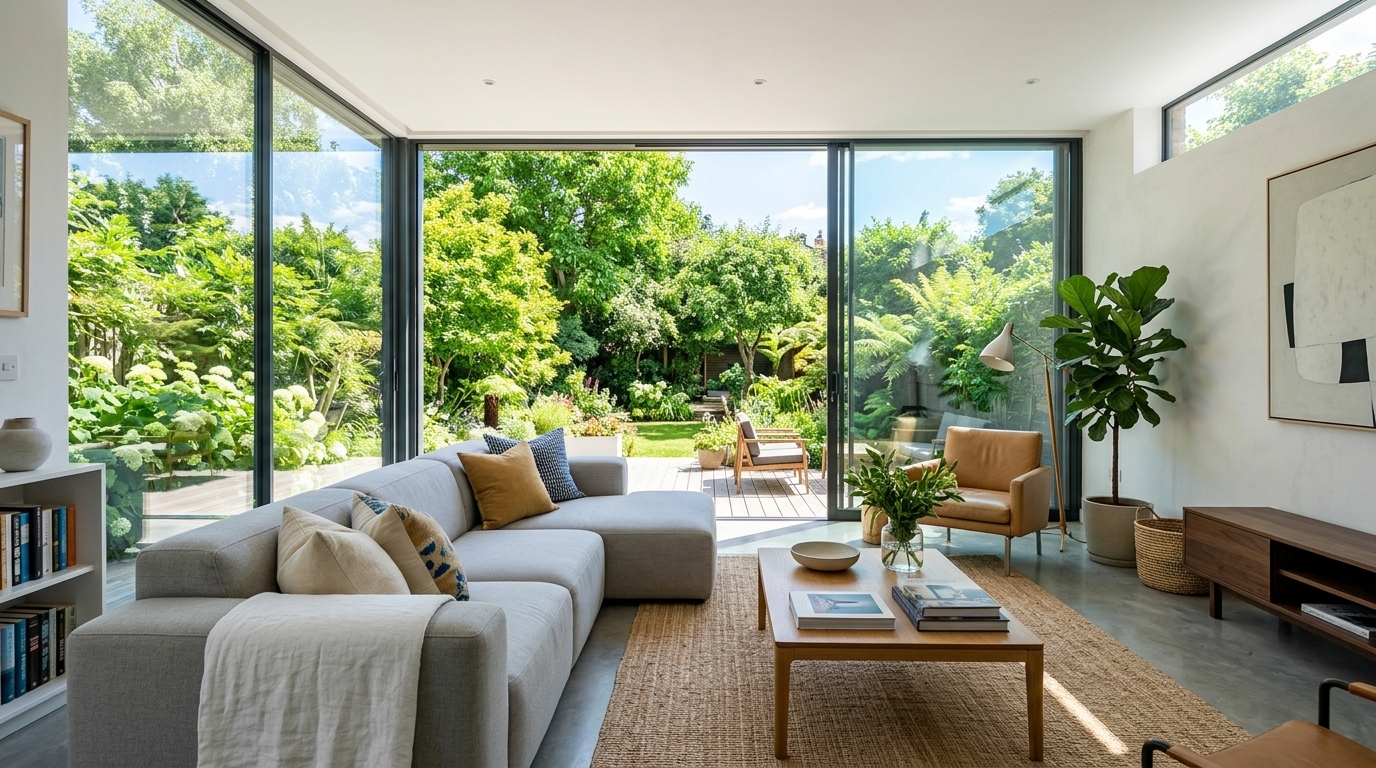
Homeowners also enjoy a solid residential window film ROI after upgrading their house. Solar control coatings help stabilize indoor temperatures and reduce the need for constant air conditioning.
Typical residential installations pay for themselves in three to seven years through lower monthly electricity bills. Installing residential solar control film is a low-risk project that provides immediate comfort and ongoing financial savings.
You can calculate your expected returns by comparing your pre-installation heating and cooling costs to post-installation bills. Most homeowners notice a drop of up to thirty percent in their cooling energy consumption.
Your family will enjoy more consistent room temperatures without dealing with hot spots near the glass. This simple upgrade enhances your daily living experience while preserving your household budget.
By keeping heat inside during the winter and blocking solar rays in summer, homeowners enjoy year-round utility relief. The project requires no lifestyle adjustments and starts working the moment installation is complete.
While retrofitting is highly cost-effective, it is not a universal solution for every window issue. Knowing when to replace windows vs using window film will save you from making the wrong investment.
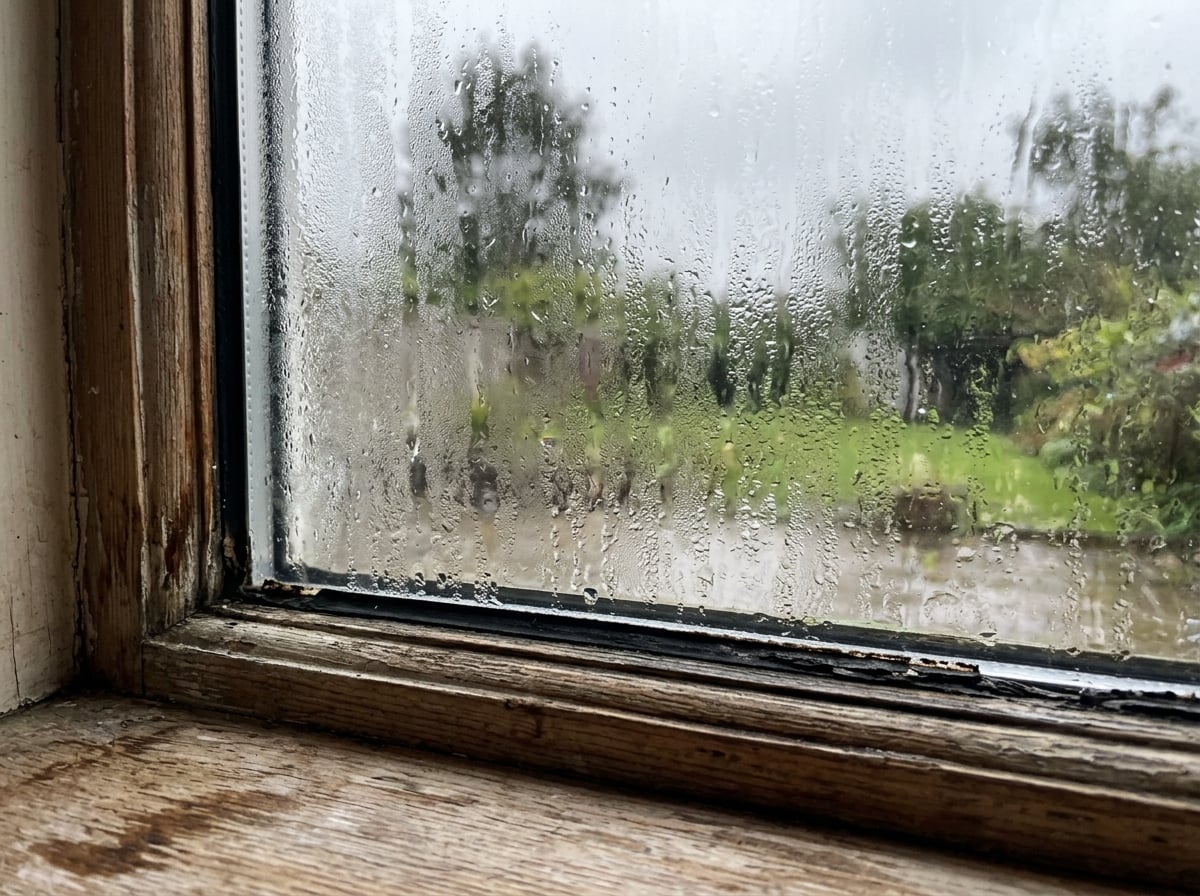
You must prioritize full replacement if your current window units suffer from physical failure or rot. If the window frames are warped or the seals on double-pane window insulation have failed, film cannot solve the problem.
Foggy glass indicates that moisture has penetrated the insulated seal between the panes of glass. In this situation, the thermal barrier is already lost, and replacing the window is necessary.
Moisture trapped between the glass panes will also prevent the window film from adhering properly. You must resolve the seal failure before any performance coatings can be applied.
Installing a new window is also required if the wooden frame has structural rot or termite damage. Film is designed to enhance functional glass, not repair structurally compromised building components.
Cracked frames allow air leaks that bypass the insulating properties of both glass and film. In these cases, investing in replacement is the only way to restore your building envelope.
If your window frames are structurally sound and free of leaks, solar control film is the superior choice. It allows you to address heat gain and glare problems without paying for structural demolition.
Modern film technology reduces the solar heat gain coefficient (SHGC) of your existing glass. This means your windows will block solar heat just as effectively as brand-new low-e glass coatings.
You get the thermal performance of modern glass at a much lower cost. This makes retrofitting the most logical decision for properties with structurally sound windows.
Older homes with single-pane windows receive the most dramatic comfort and efficiency improvements. You gain modern performance without altering the historical character of your window frames.
The financial advantages of retrofitting go far beyond your monthly utility bill savings. Several secondary benefits protect your interior assets and enhance occupant productivity.
Solar radiation is the primary cause of fading for interior finishes and furnishings. Ultraviolet rays damage carpets, upholstery, hardwood flooring, and valuable retail merchandise.
Ultraviolet light accounts for roughly forty percent of the overall fading process. The remaining damage is caused by solar heat and intense visible light.
Applying a high-quality solar film provides ninety-nine percent UV fade protection. This invisible barrier acts as a shield to keep your interior finishes looking brand new for years.
Preventing this sun damage reduces your property maintenance and replacement expenses over the long term. You preserve the aesthetic value of your office space or home interior.
Museums, galleries, and retail storefronts rely on this technology to safeguard their displays. Protecting valuable items from sun degradation directly preserves their resale and aesthetic value.
Harsh sunlight streaming through office windows makes computer screens difficult to read. This glare causes eye strain, headaches, and a noticeable drop in daily employee productivity.
Employees sitting near east-facing or west-facing windows often struggle the most during morning and afternoon hours. They are forced to work in uncomfortable conditions or block out all natural light.
Installing solar coatings provides immediate glare reduction without blocking your view of the outdoors. Employees can work comfortably near windows without needing to pull down heavy blinds.
This improvement keeps your office space bright, comfortable, and inviting. Promoting tenant satisfaction is key to maintaining high occupancy rates and consistent lease revenue.
Home office workers also benefit from a glare-free view of their computer monitors. You can enjoy natural light all day without sacrificing your workspace usability.
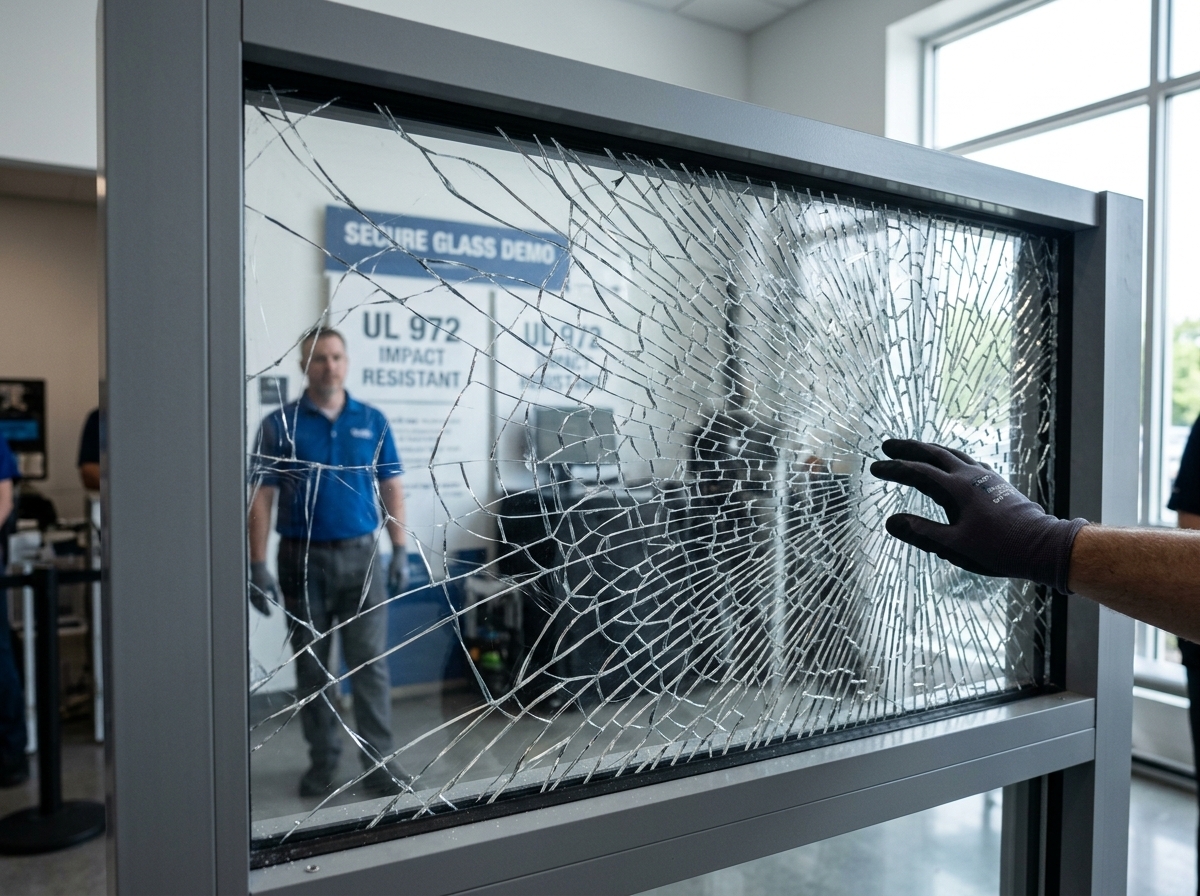
Protecting your building from unexpected break-ins and severe weather is a top priority. Standard window glass easily shatters into dangerous shards upon impact.
Intruders rely on quick access by breaking storefront windows or glass entry doors. A weak point in your security envelope can lead to devastating inventory loss.
Installing a professional window security film strengthens your glass against physical attacks and high winds. The thick polyester film holds shattered glass fragments securely within the frame.
This delay deters smash-and-grab burglars and helps prevent interior water damage during storms. Implementing this upgrade lowers your liability risks and enhances overall peace of mind.
Commercial storefronts and schools use security coatings to create a safer environment. The invisible barrier acts as a continuous shield against accidental impacts and deliberate intrusions.
To help you choose the best upgrade path, we have compiled answers to common questions about window retrofitting. These answers cover the typical concerns of homeowners and building managers.
Yes, installing solar control coatings can positively impact your home value during a sale. Buyers appreciate properties with low utility costs and built-in protection against UV fading.
Energy-efficient features are a major selling point for modern real estate buyers. Highlighting these low operating costs can set your listing apart from others.
While it may not match the raw resale value bump of new windows, it offers a much higher net ROI. The minimal upfront cost means you recover a larger percentage of your investment when you sell.
This makes it a highly practical upgrade for homeowners planning to sell within a few years. You get the immediate comfort benefits and a fast payback before the property listing.
Many energy consultants utilize a commercial window film energy savings calculator to project your returns. These tools analyze your building location, utility rates, and glass orientation.
The system calculates how much solar heat enters your building during the warmest hours of the day. It then determines how much electricity your HVAC system will save by blocking that heat.
The calculator estimates your annual cooling kilowatt-hour reductions based on local climate data. It also projects your payback period by comparing the installation cost to your estimated energy savings.
Obtaining a professional energy analysis is the best way to secure accurate projections for your property. This data-driven approach removes the guesswork from your budgeting process.
High-quality architectural films are incredibly durable and typically last fifteen to twenty years. They require no special maintenance and can be cleaned using standard non-abrasive methods.
These coatings are designed to withstand temperature swings and direct sun exposure without bubbling or peeling. They are backed by robust manufacturer warranties that protect your investment.
New windows can last twenty to thirty years but require ongoing frame maintenance and caulking. The shorter payback period of film means it pays for itself multiple times over its useful life.
This makes retrofitting a highly efficient choice for maximizing your short-term and mid-term returns. You secure decades of performance for a fraction of the cost.
Deciding between retrofitting and replacement depends on the current health of your window frames. If your windows are structurally sound, applying a high-performance coating is the most cost-effective decision.
You will enjoy immediate energy efficiency gains, glare reduction, and UV protection. The rapid payback period ensures your investment begins saving you money almost immediately.
Are you ready to calculate the exact ROI for your building windows? Contact American Window Film today to schedule your professional consultation.
No Comments Yet
Let us know what you think