

Managing a commercial property comes with a unique set of daily challenges. Among these, keeping occupants comfortable is often the most persistent.
Tenant temperature complaints can quickly overwhelm your maintenance team. These issues are especially common during transition seasons and peak summer months.
Understanding what do property managers do reveals that tenant retention is always a top priority. Solving comfort issues quickly is essential for maintaining high lease renewal rates.
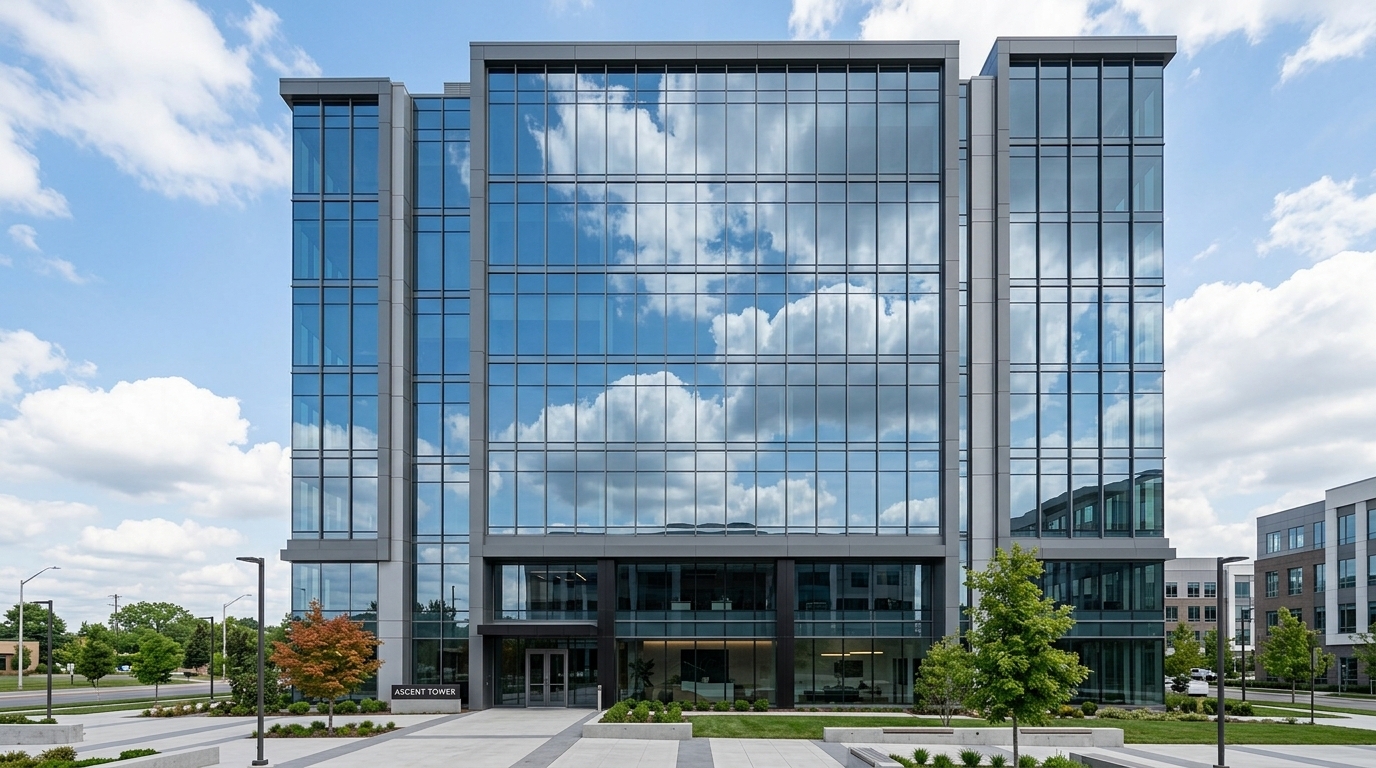
Most modern commercial buildings feature expansive glass facades to maximize natural light. While beautiful, these large glass windows act as direct thermal pathways.
Solar radiation passes through the glass and gets trapped inside the workspace. This process creates localized areas of extreme heat.
Standard glass is highly efficient at transmitting solar energy into a building. Once inside, this short-wave radiation is absorbed by floors, walls, and furniture.
These heated surfaces then re-radiate long-wave infrared energy. This long-wave heat cannot easily escape back through the glass windows.
This creates a greenhouse effect within localized zones of your facility. The trapped heat rapidly spikes the temperature in window-facing offices.
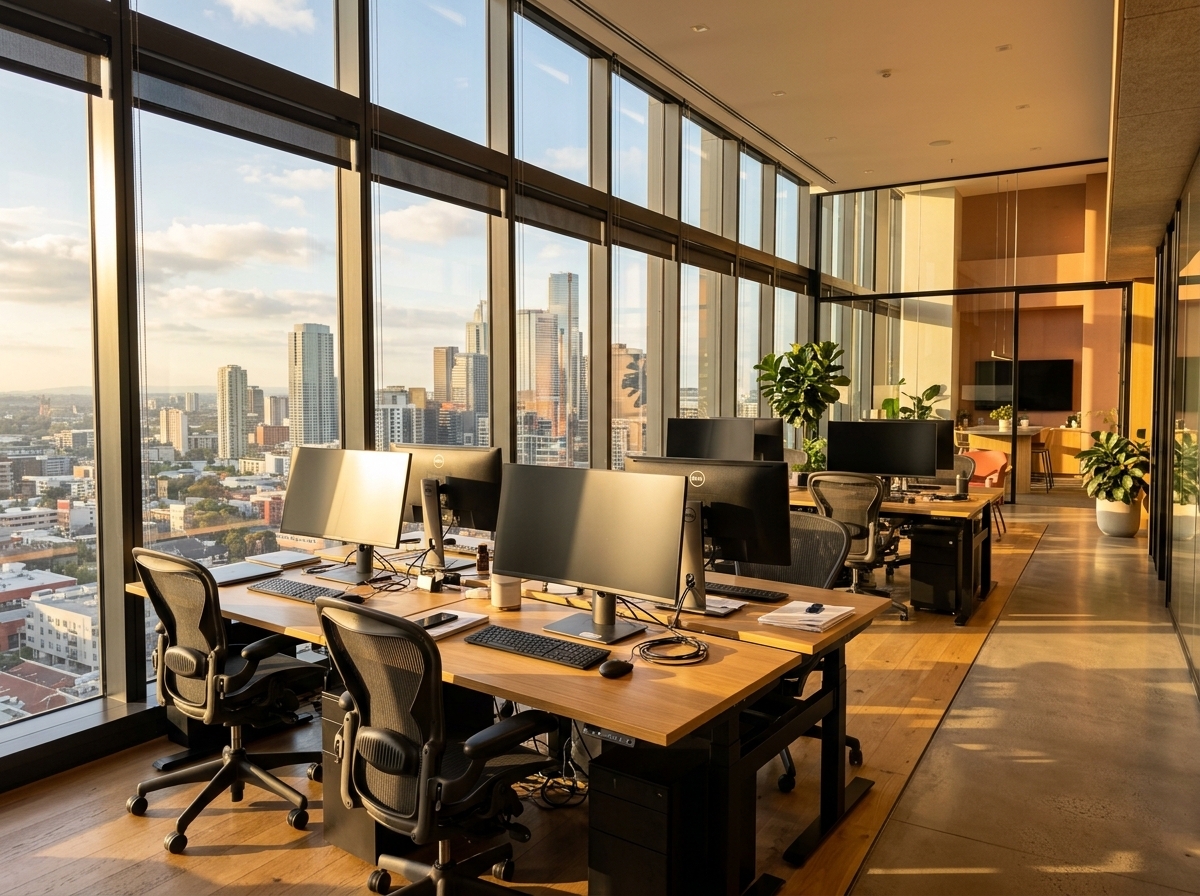
Employees sitting near perimeter windows suffer from intense warmth and glare. Meanwhile, coworkers in the interior core feel chilled by the building air conditioning.
Studies show that employee productivity drops significantly in overheated environments. Thermal discomfort leads to frequent distractions and higher error rates.
Addressing these climate issues is crucial for maintaining a high-performing workspace. It prevents a decline in overall tenant satisfaction and business output.
This contrast leads to uneven office temperatures across the same floor. The resulting thermal imbalance makes it impossible to find a single comfortable thermostat setting.
Occupants in different zones end up in a constant war over control of the temperature. This conflict leads to wasted energy and frustrated employees.
The west-facing window trap is a prime example of this issue. As the afternoon sun moves lower, solar heat gain peaks on western glass surfaces.
These offices experience rapid temperature spikes that overload localized ventilation zones. The cooling system struggles to keep up with the sudden influx of solar heat.
Standard commercial windows are simply not designed to filter out solar energy. They allow high levels of infrared radiation to enter the interior spaces.
This leaves property managers constantly reacting to comfort complaints instead of preventing them. A proactive solution is needed to address the root cause of solar heat gain.
Ignoring these temperature complaints can negatively impact tenant retention rates. Uncomfortable workspaces reduce daily productivity and increase lease vacancy risks.
Facility managers must look beyond temporary HVAC adjustments to solve the root cause. Upgrading the building envelope is the only way to achieve lasting results.
By targeting thermal transfer at the glass surface, you can stabilize the indoor environment. This proactive approach is key to keeping occupants satisfied year-round.
Modern window film technology offers a highly efficient way to address solar heat. It serves as a microscopic shield that intercepts solar radiation directly at the glass surface.
By doing so, it enhances your building temperature regulation. The film blocks the specific wavelengths of sunlight responsible for heat transfer.
Applying solar film creates a permanent thermal barrier. It modifies the physical properties of your existing glass without replacing the panes.
Every window has a rating known as the solar heat gain coefficient. This metric measures the fraction of solar radiation admitted through the glass.
Standard single or double-pane windows have a high coefficient, meaning they allow most heat to pass through. This unchecked solar energy quickly warms the interior air.
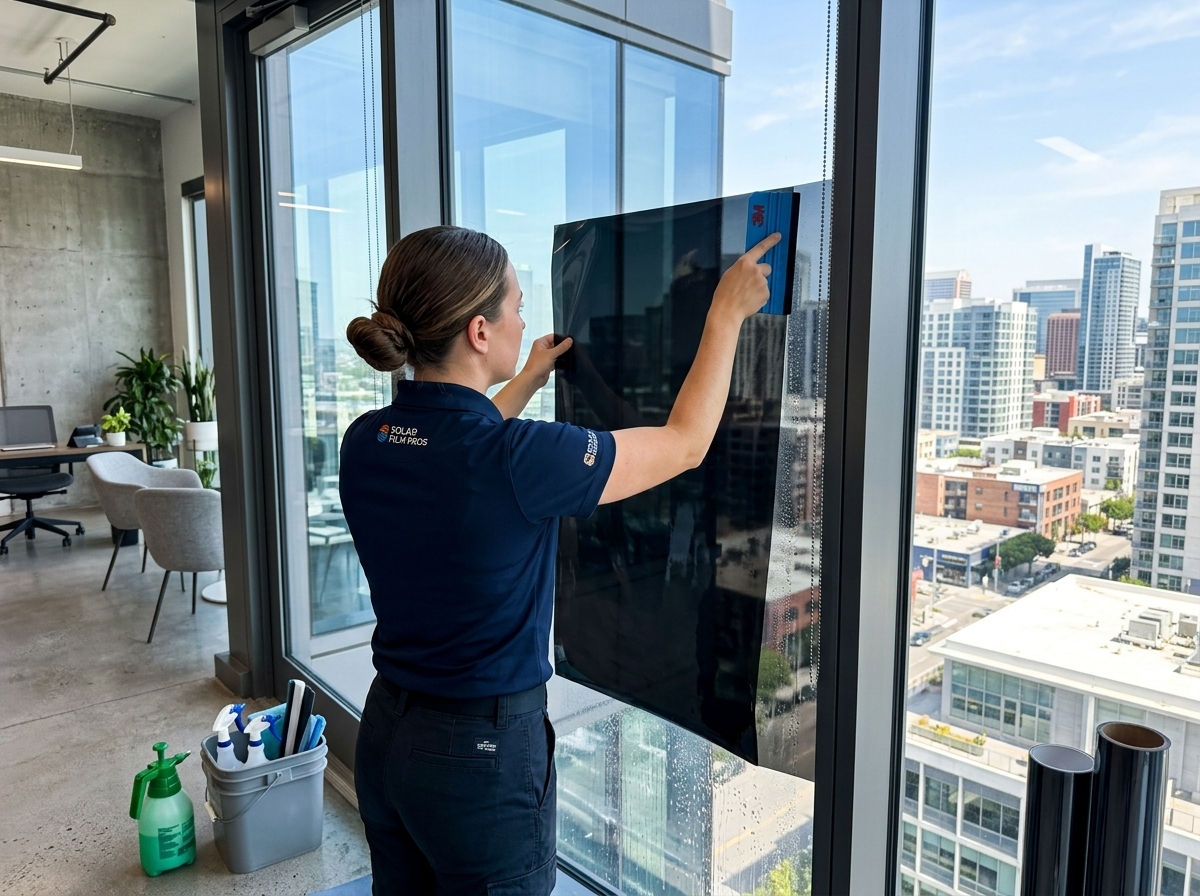
Applying a high-performance solar control window film drastically reduces this rating. The film reflects and absorbs infrared rays before they enter the building.
This prevents localized hot spots from forming near perimeter glass. The temperature near windows becomes consistent with the rest of the office.
Improving this coefficient is essential for maintaining tenant comfort. Employees can work near windows without feeling the intense heat of the sun.
A lower coefficient ensures that the temperature near exterior walls remains stable. It prevents the rapid heat spikes that occur during peak sunlight hours.
The entire indoor space remains at a more balanced temperature throughout the day. This balance eliminates the need for constant thermostat adjustments.
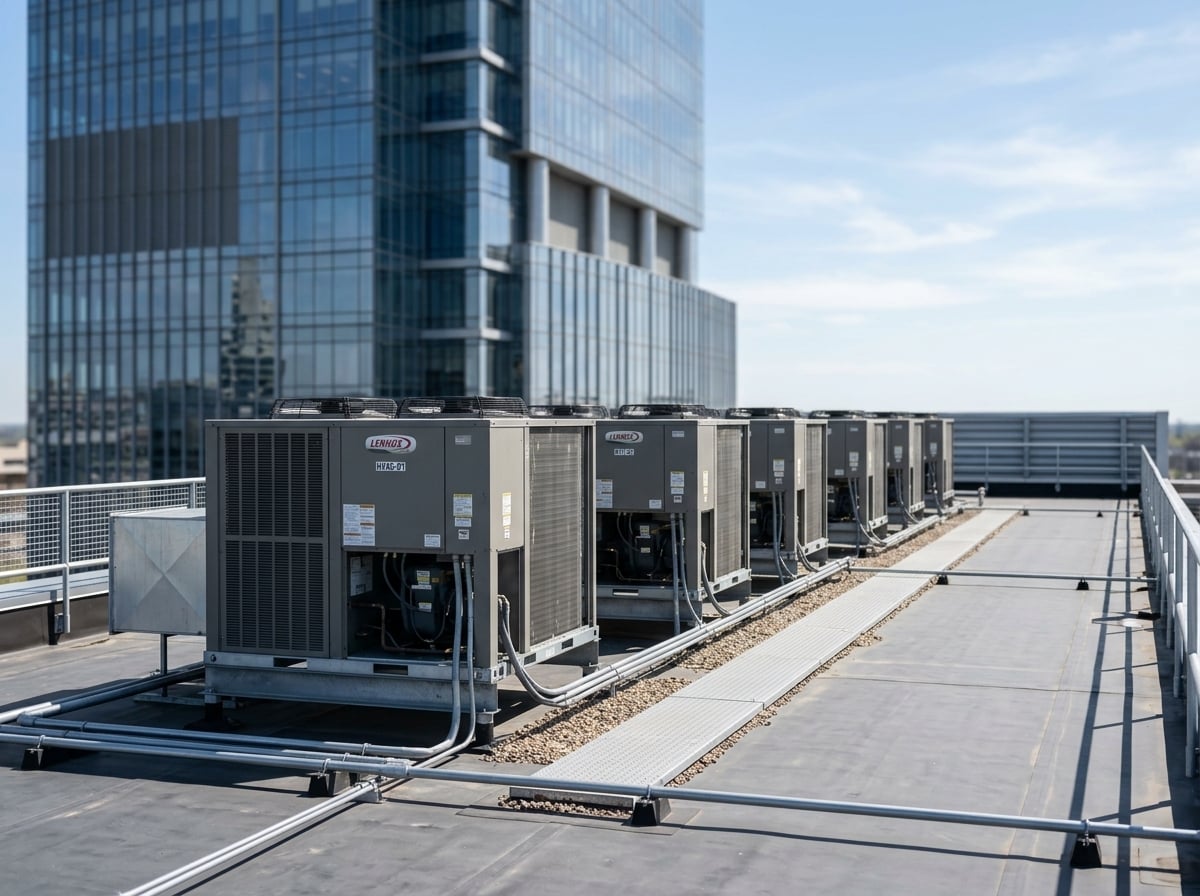
An overworked air conditioning system is a major financial drain. When solar heat floods your building, cooling units must run continuously to compensate.
This constant operation increases your daily energy consumption and utility costs. It also accelerates wear and tear on expensive HVAC components.
Applying window film results in immediate HVAC load reduction. By blocking up to eighty percent of solar heat, the film lowers the demand on your cooling equipment.
The systems do not have to work as hard to maintain the target temperature. This allows the equipment to run more efficiently and cycle less frequently.
When your cooling systems run less, you also reduce carbon emissions. This supports building sustainability goals and green certifications like LEED.
This reduced workload leads to direct utility savings. Property owners can look forward to reducing HVAC costs with window film.
Installing high-quality heat reducing window film is one of the most effective strategies for lowering energy consumption. Property owners see a direct drop in their utility expenses during peak summer months.
Extending the operational lifespan of your mechanical systems is another benefit. Cooling units that run less experience fewer breakdowns and require less maintenance.
This delays the need for expensive HVAC replacement projects. The resulting capital savings can be redirected to other property improvements.
Property managers often resort to traditional window coverings or thermostat adjustments. These methods fail to resolve structural temperature issues.
Many property managers rely on standard window coverings to control heat. While blinds and curtains block visible light, they fail to stop thermal transfer.
The sun heats the fabric or metal slats, which then radiate that heat into the room. This creates a pocket of trapped hot air right next to the glass.
This process does not prevent thermal imbalance in the office. The heat still enters the building and increases the cooling load.
Using window shades also cuts off views of the outside world. This can make employees feel isolated and reduce overall workplace satisfaction.
It also forces tenants to work in dark, artificial environments. Blocking natural light and views can negatively affect employee morale and productivity.
Installing smart thermostats is another common approach. While these systems optimize scheduling, they cannot fix uneven office temperatures.
Adjusting the temperature in one zone often creates drafty, freezing conditions in another. The central system cannot balance the heat from localized solar gain.
Zoning systems are designed to balance air distribution, but they have limits. They cannot offset the immense radiant heat from untreated windows.
Thermostat adjustments simply move the comfort problem around. Tenants continue to complain about drafts or sudden temperature shifts.
Smart controls cannot overcome the physical limits of inefficient window glass. True comfort requires stopping the heat before it passes through the window.
Replacing commercial windows is an expensive and invasive project. It requires weeks of construction, creating noise and disrupting daily tenant operations.
The capital expenditure can take decades to recover through energy savings. This makes window replacement impractical for many property owners.
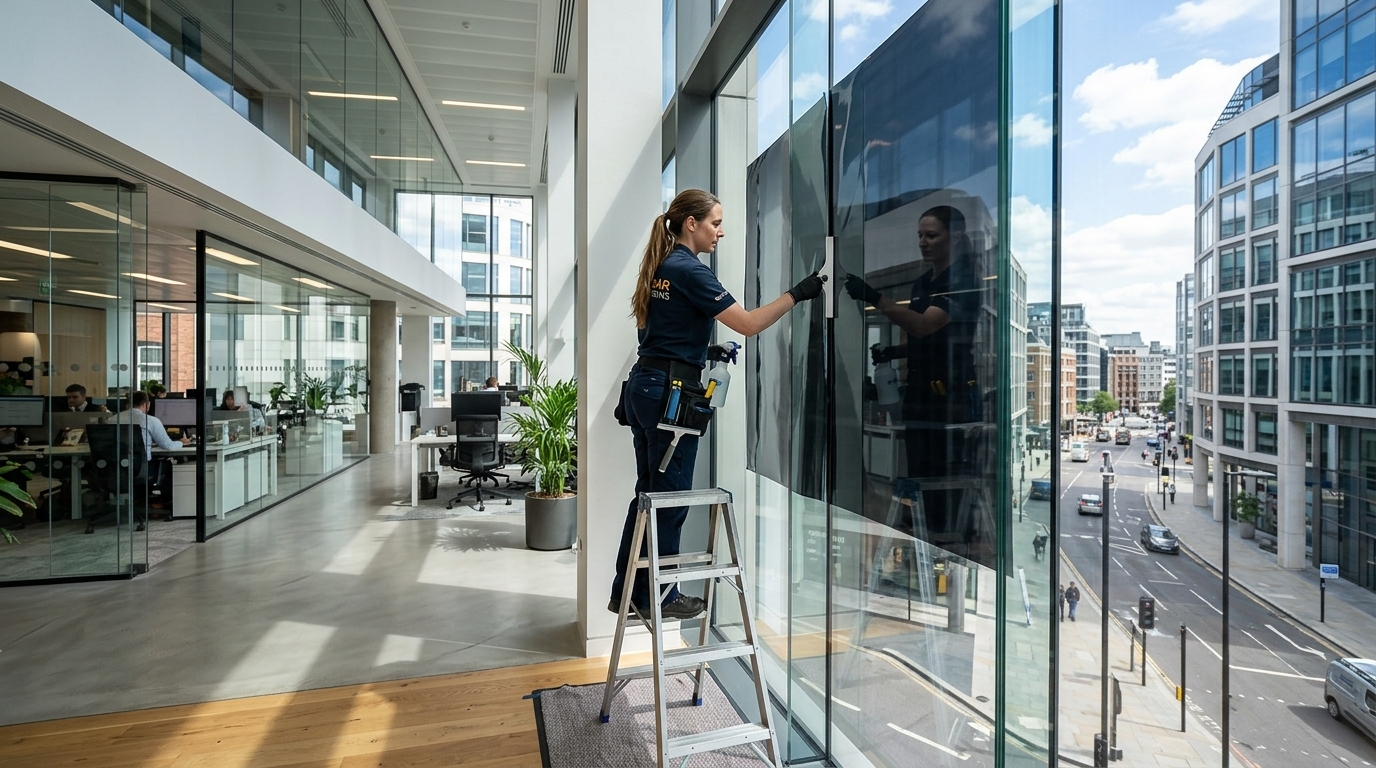
Commercial window film offers a much faster and cost-effective solution. The installation is non-invasive and can be completed without disrupting business.
Understanding the benefits of commercial window film helps building owners make informed upgrade decisions. This simple retrofit offers immediate relief from temperature swings at a fraction of the cost of window replacements.
Traditional window replacements also create massive amounts of landfill waste. Opting for film is a highly sustainable, eco-friendly upgrade choice.
The project provides a rapid payback period, often returning your investment within two to five years. It delivers the same thermal performance as new windows at a fraction of the price.
Different buildings require customized film specifications depending on window orientation, climate, and glazing types. Choosing the right product is essential for maximizing performance.
Selecting the correct product requires evaluating the specific glaze of your windows. A professional installer will perform an analysis of your building orientation.
Some property managers worry that window film will darken their building. Spectrally selective films solve this issue by targeting specific wavelengths of light.
They block heat-generating infrared rays while allowing visible light to pass through. This technology keeps the interior bright and welcoming.
This ensures that your workspaces remain bright and open. Tenants can enjoy natural daylight and clear outdoor views without the associated heat.
Maintaining this natural light is crucial for overall tenant comfort. It supports a healthy, productive office environment.
For buildings in climates with cold winters, low-emissivity film is ideal. These Low-E coatings work year-round to control heat transfer.
In the summer, they block solar radiation from entering the building. This reduces the energy needed to cool the space.
During winter, the film reflects indoor heat back into the workspace. This double action helps resolve seasonal thermal imbalance issues.
This thermal barrier prevents heat loss during chilly winter nights. It ensures that your heating system runs efficiently in cold weather.
It keeps your heating and cooling costs under control in every season. The building remains comfortable regardless of the outdoor weather conditions.
Clear up common questions regarding the installation process, cost savings, and long-term performance of energy-saving window tinting.
A commercial solar control window film installation directly reduces utility bills. By reflecting solar heat, the film cuts down on cooling energy consumption.
Property owners typically see a significant reduction in their monthly electric bills during the warmest months. The energy savings continue to accumulate year after year.
Installing energy-efficient window tinting for office buildings is a fast process. A professional installation crew can complete a large commercial space in just a few days.
The work is scheduled to avoid disrupting tenant work hours. There is no need to close offices or relocate employees during installation.
High-quality architectural films are designed to remain virtually invisible. They do not block the natural light or views that tenants love.
Instead, they eliminate glare and UV rays, making the view more comfortable to enjoy. Tenants will notice the improvement in comfort without feeling like they are in a dark space.
No, window films are highly durable and easy to maintain. You can clean them using standard non-abrasive window cleaning solutions and soft microfiber cloths.
The scratch-resistant coating protects the film from daily wear and tear. It keeps the glass looking pristine and clear for many years.
Yes, high-performance architectural films are safe for dual-pane and Low-E windows. An experienced installer will verify glass compatibility before the project begins.
They will select a film that matches the thermal expansion properties of your glass. This ensures safe operation and protects your window manufacturer warranty.
Taking a proactive approach to temperature complaints is essential for property managers. Installing commercial window film is the most efficient way to achieve lasting climate stability.
It addresses the root cause of heat gain without disruptive renovations. Your building will benefit from lower energy bills, improved HVAC performance, and higher tenant retention.
Are you ready to stop managing complaints and start optimizing your building performance? Our professional team at American Window Film can guide you through the process.


No Comments Yet
Let us know what you think