

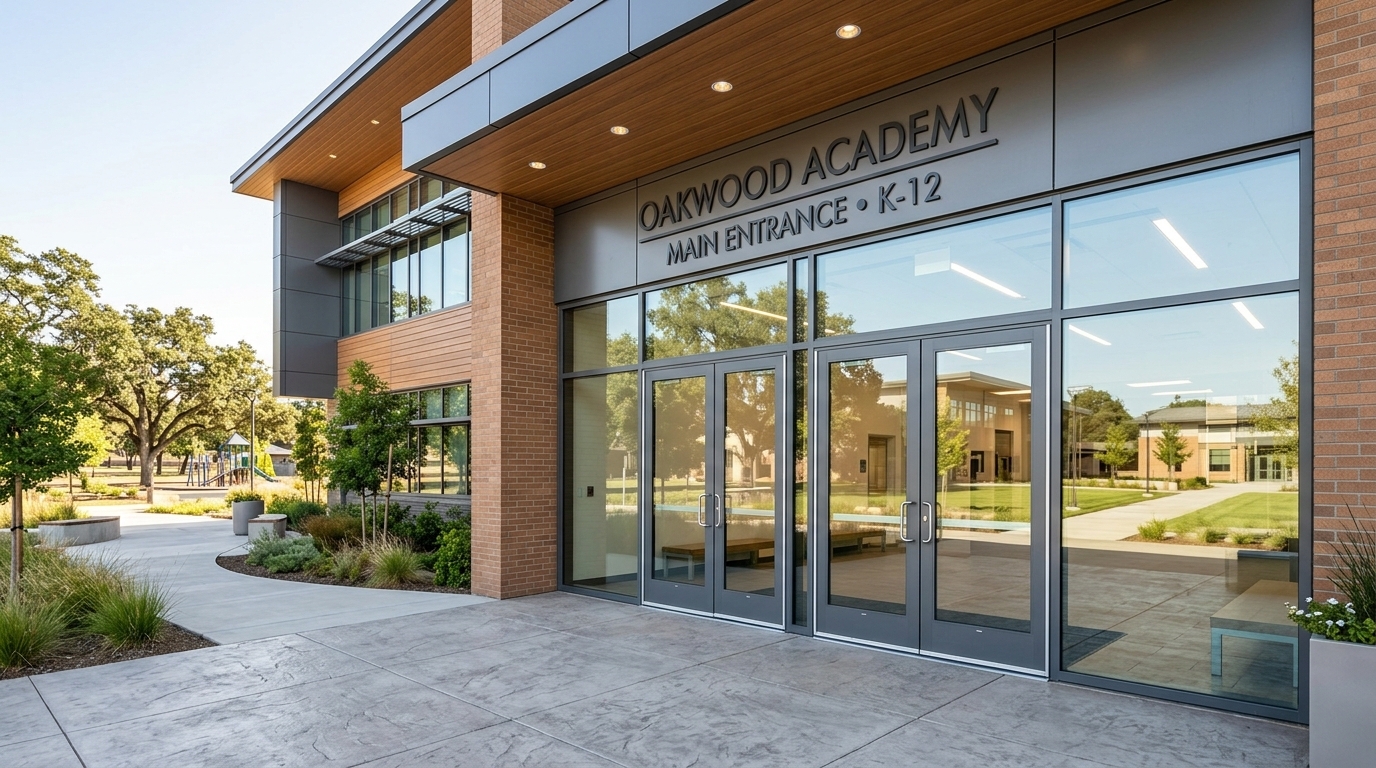
School security leaders face an urgent challenge when protecting educational facilities against dynamic threats. Transparent perimeter glass remains one of the most vulnerable architectural elements in modern educational facilities.
Federal physical security guidelines emphasize the critical need to delay unauthorized entry at access points. Applying specialized architectural security window film provides an immediate, cost-effective layer of physical defense that hardens existing glass without altering the open feel of learning environments.
The Cybersecurity and Infrastructure Security Agency (CISA) provides national guidance for hardening educational facilities against active threats. CISA's layered physical security strategy breaks campus defense into three distinct zones: the property boundary, the building perimeter, and interior spaces.
Perimeter security is the frontline barrier against hostile actors seeking rapid access to classrooms. Windows, glass entrance doors, and sidelights represent the primary physical weak points across the outer building shell.
CISA recommendations stress that physical barriers must slow down an attacker long enough for law enforcement to respond. Hardening glass surfaces buys valuable time, turning fragile entryways into resilient delay mechanisms.
Standard tempered or annealed glass shatters within seconds under blunt-force impact or ballistic strikes. CISA guidance highlights the need for impact-resistant retrofits that prevent immediate breach, allowing lockdown protocols to take full effect.
Building safety plans must integrate these physical retrofits alongside electronic access control and emergency notification systems. When physical barriers withstand initial assaults, emergency notification systems can mobilize campus-wide lockdown protocols safely.
Facility managers must ensure physical upgrades align with comprehensive threat assessments. Prioritizing exterior glazed openings creates a dependable delay envelope that deters opportunistic intruders and protects occupants.
Campus architecture often favors expansive glass designs to welcome natural daylight and foster open learning environments. However, untreated glass entryways present severe security vulnerabilities during forced-entry events.
An unauthorized individual can breach standard commercial glass in less than five seconds using hand tools. This immediate failure completely bypasses perimeter access controls and electronic magnetic locks.
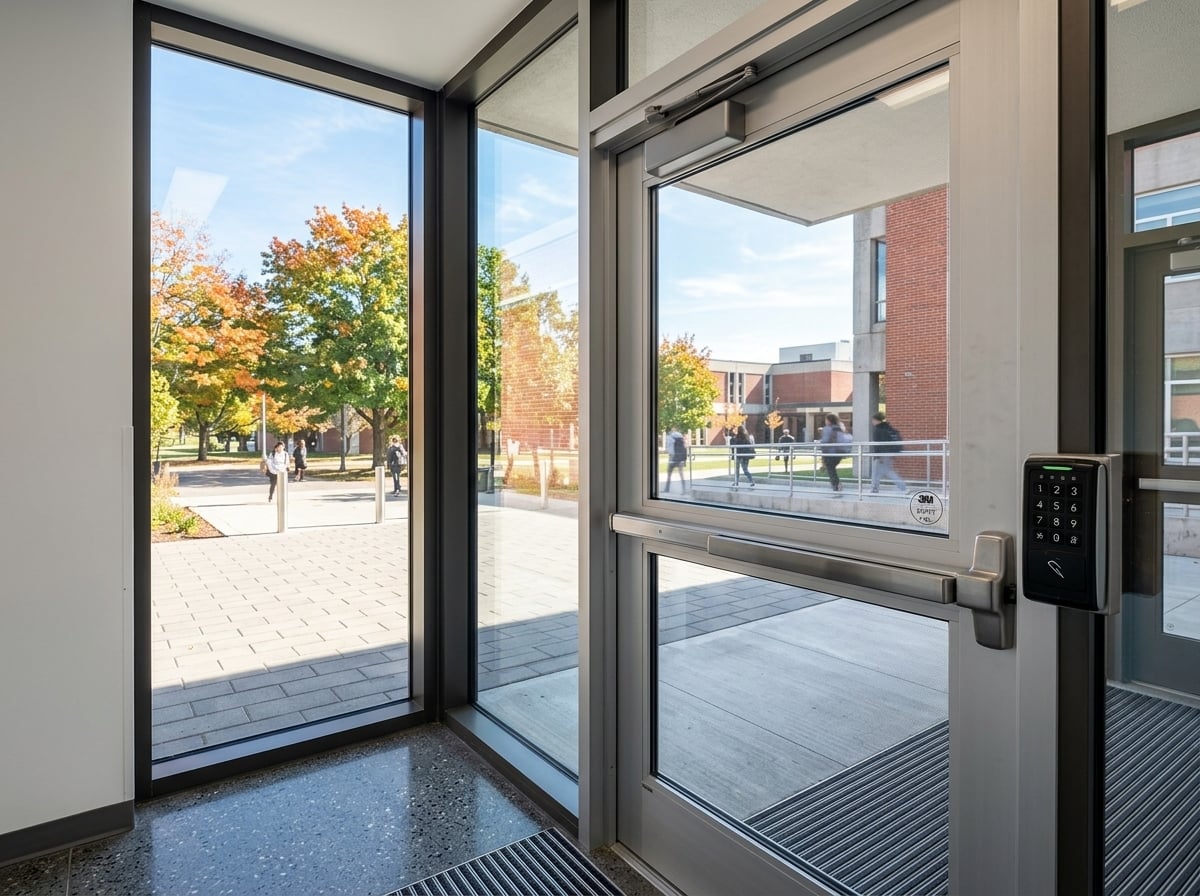
Most school access control systems rely on locked aluminum-framed glass doors flanked by narrow sidelights. Intruders target these sidelights because shattering the pane allows them to reach inside and manually trigger crash bars.
Securing only the door latch leaves the entire perimeter vulnerable if adjacent glass panels remain untreated. Hardening sidelights ensures that forced breach attempts cannot compromise the mechanical locking hardware.
Secure entry vestibules serve as the primary containment checkpoint for visitors entering campus grounds. If vestibule glass cannot withstand persistent blunt impact, the entire visitor management screening process fails.
Applying reinforced security film to vestibule glazing turns reception areas into resilient physical delay zones. Staff gain vital seconds to activate remote lockdown buttons while the intruder remains trapped outside.
Active threat incidents evolve rapidly, with most events concluding in under eight minutes. The first sixty to ninety seconds of an incident dictate the survival rate of staff and students.
When glass shatters instantly, emergency lockdown procedures cannot be executed before an intruder enters hallways. Creating a measurable physical delay is the single most important objective of architectural hardening.
High-tensile security laminates absorb dynamic kinetic energy, holding shattered glass firmly in place even after repeated blows. This physical resistance delays entry by forty-five to ninety seconds or longer.
That delay provides administrators the necessary window to initiate automated lockdown alerts. First responders can mobilize and arrive on scene before an intruder reaches populated interior classrooms.
Architectural security window film is an engineered, heavy-duty polyester membrane applied directly to existing flat glass surfaces. It strengthens glass panels against blunt impacts, thrown objects, and explosive shockwaves.
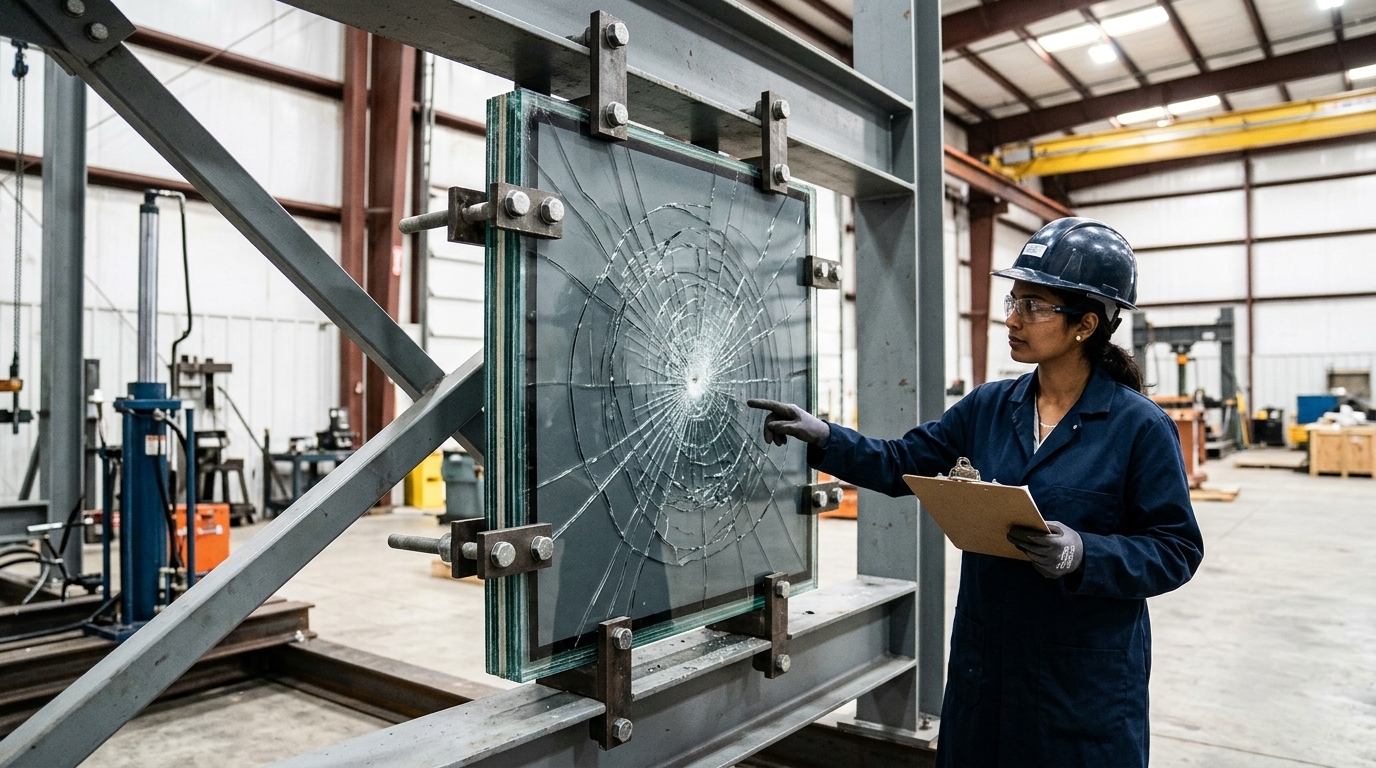
While the underlying glass may crack upon violent impact, the micro-layered film holds the fragmented shards tightly together. This prevents the panel from falling out of the frame and denies rapid physical passage.
Advanced solutions like 3M Scotchshield Ultra series window films utilize patented multi-layer optical film technology. These films cross-weave dozens of micro-layers of polyester to deliver superior tear resistance compared to standard single-ply films.
This cross-woven design allows the laminate to stretch under extreme force without tearing or puncturing. The material absorbs the kinetic shock of sledgehammers, bats, and crowbars while keeping the opening sealed.
Standard safety films range from 4 mil to 8 mil for basic shatter resistance, while heavy-duty campus installations utilize 14 mil or multi-ply ultra laminates. Understanding how security window film prevents glass shattering helps safety coordinators select the proper tensile strength for high-risk campus zones.
High-grade security films also reject 99% of harmful ultraviolet rays, protecting classroom furniture and flooring from sun damage. These multi-benefit properties provide ongoing operational value alongside critical physical protection.
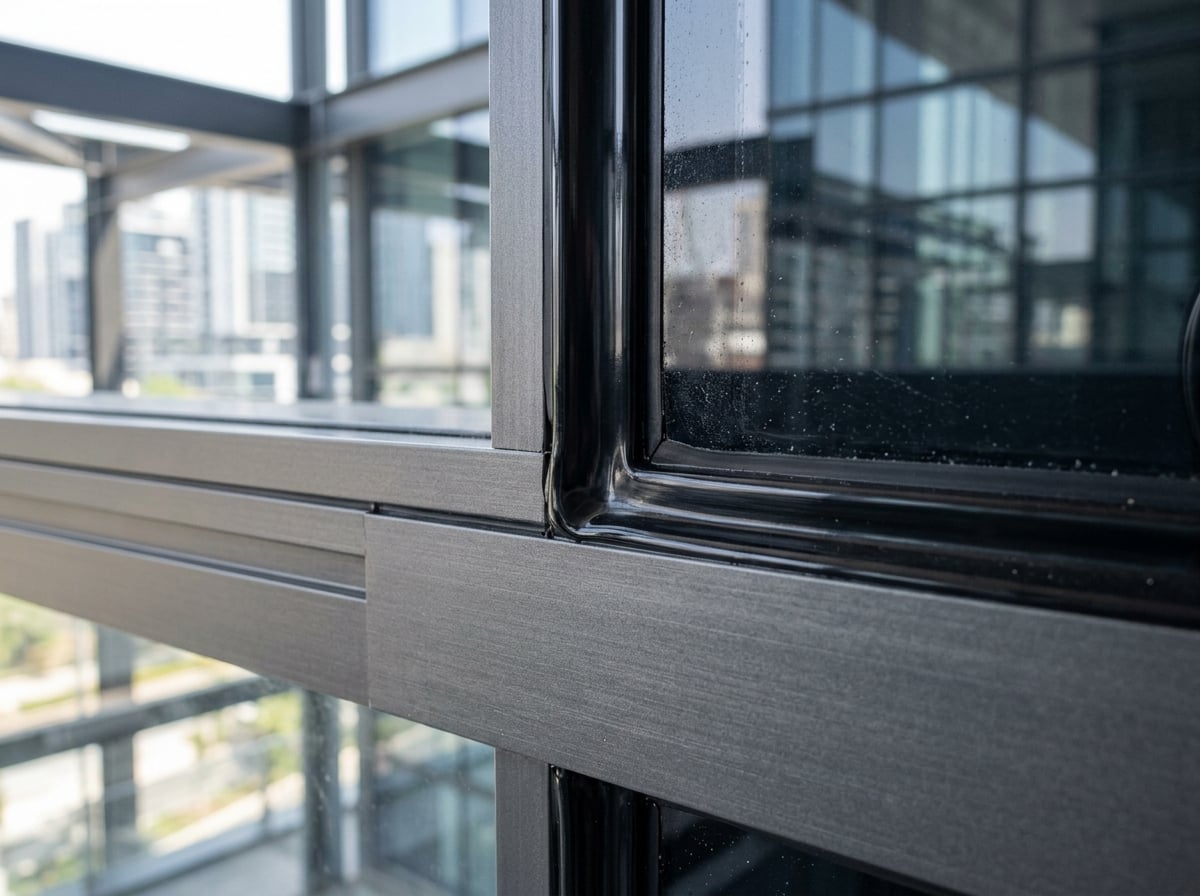
Applying security film to the glass pane without securing it to the surrounding frame creates a catastrophic failure point. Under heavy blunt impact, an unanchored pane will shatter and pop entirely out of the window frame as a single sheet.
A code-compliant school security retrofit requires an engineered structural attachment system. The industry standard for architectural hardening is the Dow Corning 995 structural silicone wet glaze attachment system.
Installers apply a structural bead of high-strength silicone sealant along the perimeter interface connecting the filmed glass to the metal frame. This anchors the elastic laminate directly to the window mullion.
When struck, the impact forces disperse evenly through the structural silicone into the building frame rather than dislodging the pane. Mechanical frame clamping systems provide an alternative anchoring method for specialized curtain wall systems.
Without an engineered attachment system, security film provides basic glass-hazard mitigation but fails to deliver reliable forced-entry delay. School facility directors should always mandate structural attachment in project specifications.
School districts across the country must navigate increasingly rigorous state and federal safety mandates. Alyssa's Law mandates that public schools implement silent panic alarms linked directly to first responders.
While panic buttons provide rapid emergency communication, physical barriers provide the time required for that communication to succeed. Integrating physical glazing protection with Alyssa's Law protocols creates a dependable safety ecosystem.
The Partner Alliance for Safer Schools (PASS) provides a comprehensive tiered safety guideline for K-12 campuses. PASS guidelines outline specific physical security benchmarks across four progressive tiers.
PASS Tier 1 and Tier 2 standards explicitly recommend hardening exterior entry glass, ground-level classroom windows, and sidelights. Retrofitting vulnerable glazing ensures schools achieve measurable compliance with PASS perimeter recommendations.
Adopting standardized compliance frameworks helps school boards secure state and federal school safety grant funding. Documenting film tensile ratings and structural attachment specifications verifies proper use of allocated security funds.
Comprehensive safety plans combine electronic access badges, silent alarms, and physical window retrofits into a unified defense. This layered approach eliminates single points of failure across the campus perimeter.
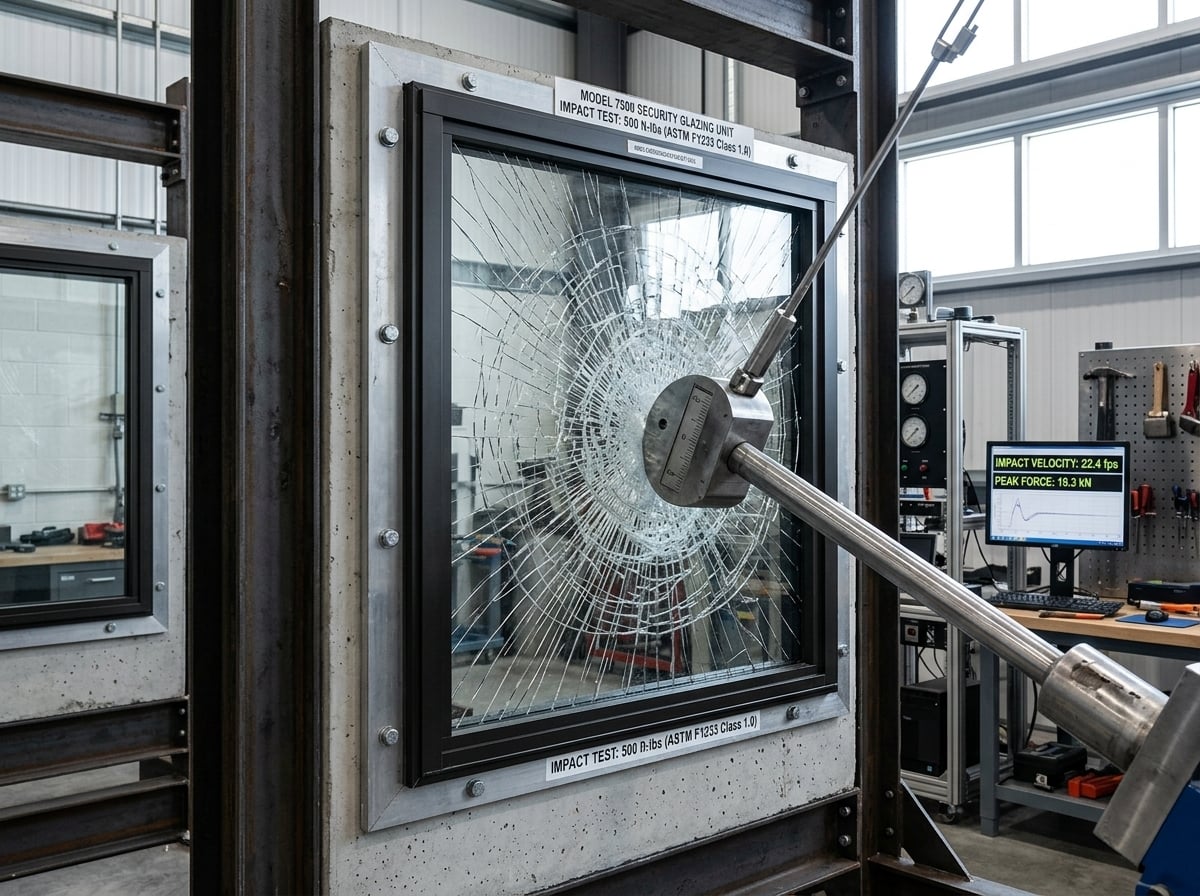
School boards frequently evaluate whether to install retrofit security window film or replace entire window assemblies with bullet-resistant ballistic glass. While ballistic glass stops projectile penetration, the financial and structural burdens often limit its feasibility across entire campuses.
Ballistic glazing requires massive structural framing overhauls due to its extreme weight and thickness. In contrast, architectural security laminates install directly onto existing glass assemblies at a fraction of the cost and installation timeline.
The table below outlines the core operational and technical differences between these two campus hardening approaches:
| Evaluation Factor | Security Window Film + Attachment System | Full Ballistic Glass Replacement |
|---|---|---|
| Installation Timeline | Rapid retrofit, completed during off-hours or summer breaks | Lengthy structural demolition and frame reconstruction |
| Framing Modifications | None required; uses existing commercial aluminum frames | Requires heavy-gauge ballistic steel reinforced framing |
| Forced Entry Delay | 45 to 90+ seconds under sustained blunt force impact | Exceptional delay against high-powered ballistic rounds |
| Campus Coverage Scope | Feasible across all ground-floor windows and entry vestibules | Typically restricted to main entrance vestibule due to budget limits |
| Optical Clarity & Light | Crystal clear, optically transparent, maintains natural daylight | Noticeable tinting, heavy glass thickness, optical distortion |
| Life Safety & Fire Egress | Complies fully with NFPA emergency rescue window codes | Requires specialized egress mechanisms for fire rescue |
For comprehensive campus protection, security window film allows districts to harden hundreds of ground-level windows rather than securing only one entryway. Exploring modern commercial window tinting solutions helps facilities optimize their safety budgets while achieving maximum physical defense.
Security laminates do not claim to make glass completely bulletproof. Instead, they act as an anti-breach delay shield that keeps glass fragments locked together under stress.
Physical security retrofits must never compromise occupant safety during fire or severe weather emergencies. Building codes strictly regulate emergency escape and rescue openings across educational occupancies.
The National Fire Protection Association (NFPA) 101 Life Safety Code governs emergency egress routes from classrooms. Security upgrades must permit rapid, unhindered evacuation from the interior without requiring keys or special tools.
Security window film is an ideal life-safety solution because it reinforces glass from exterior breach while preserving standard interior exit operations. Classroom doors equipped with standard panic bars continue to function without restriction.
During severe weather events or accidental impacts, safety film contains flying glass shards within the frame. This dramatically reduces the primary source of laceration injuries during high-wind storms or seismic occurrences.
First responders equipped with specialized rescue tools can still breach filmed windows from the exterior if necessary. The flexible laminate bends under targeted emergency cutting tools, allowing firefighters to gain access.
Balancing perimeter security with clear emergency egress ensures complete code compliance. School safety committees should collaborate with local fire marshals during the planning phase to verify all egress standards remain satisfied.
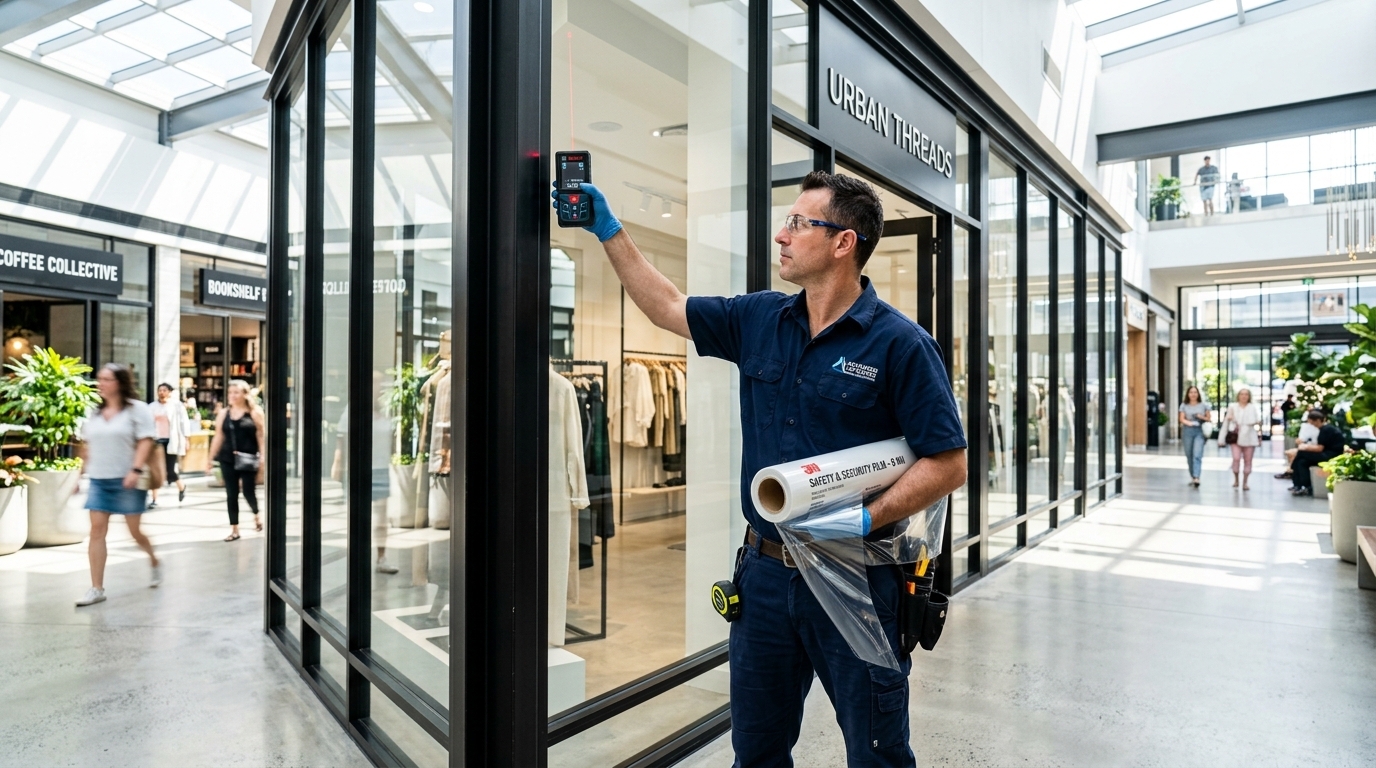
Upgrading campus glazing begins with a comprehensive physical site assessment. Safety personnel should walk the perimeter to catalog all ground-floor windows, entrance vestibules, and administrative sidelights.
Prioritize high-risk zones, starting with the primary visitor entrance and all lower-level classroom windows facing public access ways. Specify high-tensile 3M security film paired with a structural wet glaze silicone attachment system.
Ensure all installations are performed by certified, factory-trained architectural film specialists to maintain manufacturer warranties. Professional installation guarantees proper film cure times and structural silicone bonding.
Schedule retrofit installations during scheduled school breaks or weekend hours to prevent classroom disruption. A staged implementation allows districts to upgrade multiple school buildings efficiently across academic terms.
Taking decisive action today transforms fragile glass openings into reliable security delay barriers that protect students and staff. To schedule a comprehensive campus glazing security audit and review tailored architectural retrofit options, contact the security specialists at American Window Film.
No Comments Yet
Let us know what you think