

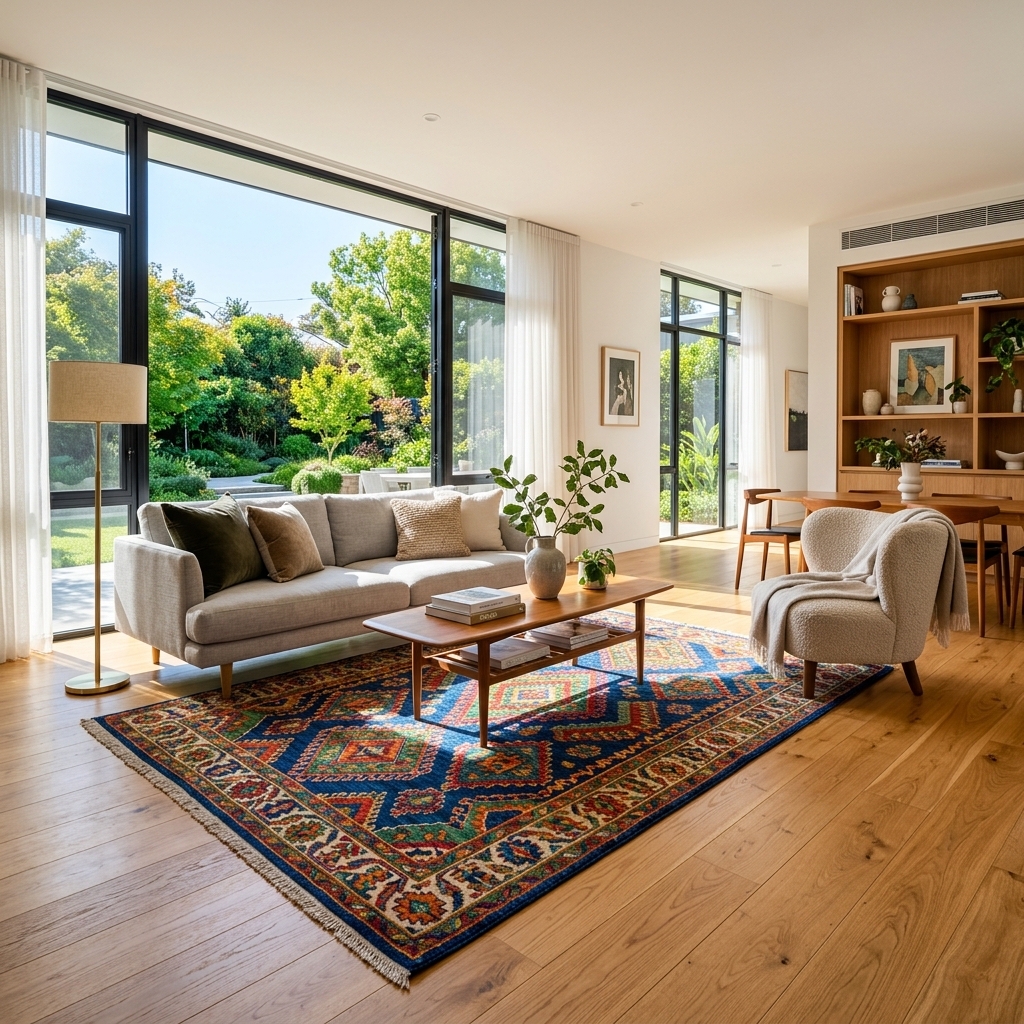
Natural sunlight brightens living spaces, but unfiltered solar radiation causes permanent discoloration on interior finishes. Homeowners often notice pale patches on oak flooring or dark yellow stains on exotic woods near large windows.
Protecting expensive wood floors requires addressing the specific wavelengths of solar energy that break down wood lignin and organic finishes. You can preserve your living room floors and rug colors without living behind drawn curtains.
Solar radiation striking residential window glass triggers chemical reactions inside natural wood fibers. Sunlight consists of invisible ultraviolet rays, visible light spectrums, and solar heat radiation.
Every exposed surface in your home absorbs this continuous electromagnetic energy. Over time, sunlight breaks down chemical bonds in wood stains, natural oils, and clear polyurethane sealants.
Unfiltered solar energy causes floor fading through three distinct environmental mechanisms. Ultraviolet (UV) radiation accounts for roughly 40% of all interior fading damage.
Visible light spectrums cause 25% of fading, while solar heat radiation contributes another 25%. The remaining 10% comes from ambient humidity and indoor atmospheric conditions.
Standard double-pane residential windows regulate air temperature transfer between indoor and outdoor environments. However, untreated dual-pane glass allows up to 70% of harmful UV rays to pass directly into your living room.
Clear glass offers virtually no barrier against solar heat gain or visible light intensity. Without specialized solar control treatments, expensive dual-pane windows will not stop hardwood floors from sun bleaching.
Sun damage manifests differently depending on your flooring material and timber species. Recognizing early discoloration helps homeowners take preventive action before deep wood refinishing becomes necessary.
Solar exposure alters both light-colored domestic hardwoods and dark imported timber. Similar to techniques used for preventing fading in retail displays and interiors, sun bleaching also damages area rugs, upholstered furniture, and custom artwork positioned near exterior glass.
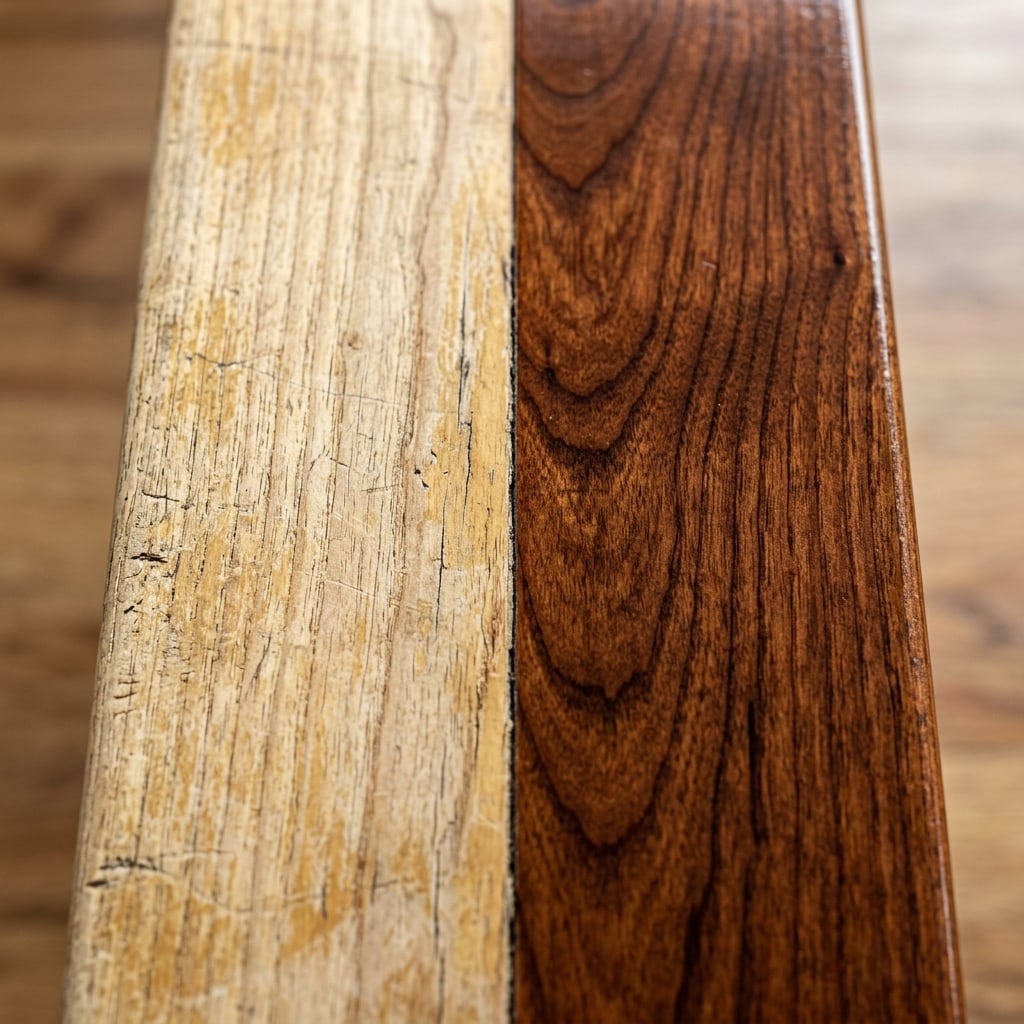
Domestic woods like Red Oak, White Oak, and Maple typically bleach into pale, washed-out tones under intense sunlight. In contrast, exotic species like Brazilian Cherry, Teak, and Walnut darken or turn yellow when exposed to UV light.
Oil-based polyurethane finishes also react to solar heat gain by oxidizing into a yellowish-brown tint. This chemical reaction occurs regardless of the underlying wood stain color.
Homeowners frequently discover severe sun bleaching only after moving an area rug or sofa. The wood covered by furniture retains its rich original tone, while surrounding floor boards turn dull and faded.
This sharp color line creates an uneven, patchwork appearance across your living room floor. Replacing damaged rugs reveals how much solar radiation your room absorbs daily through untreated windows.
Preserving the beauty and value of natural wood flooring requires blocking harmful solar energy at the window pane. Combining multiple protective strategies ensures your interior furnishings stay vibrant for decades.
Here are five proven methods homeowners use to control solar heat gain, block UV radiation, and stop sun damage on natural wood floors.
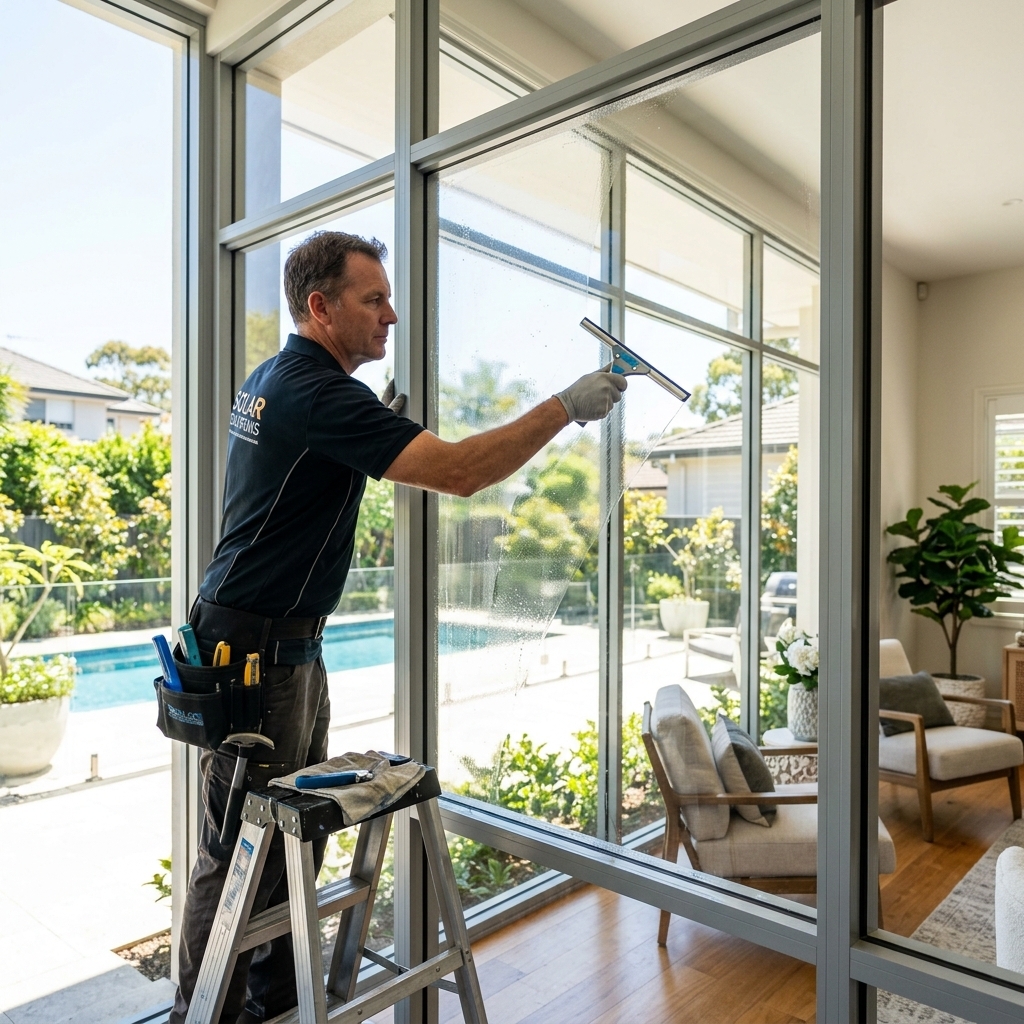
Applying clear architectural solar control film directly to glass surfaces eliminates up to 99% of incoming UV radiation. Homeowners seeking the best residential window film for heat reduction rely on ceramic films that reject up to 84% of solar heat gain without altering exterior building optics.
This microscopic barrier stops solar damage at the window before rays reach your wood floors. It preserves natural room brightness while allowing you to enjoy open, sunlit views year-round.
Installing heavy drapes, cellular shades, or wooden blinds blocks direct sunlight from hitting vulnerable floor areas. Shades effectively stop fading when fully closed across south-facing and west-facing windows.
However, window coverings block natural light and obscure outdoor views. To protect your floors, blinds must remain drawn during peak sun hours, turning bright rooms dark.
When installing or refinishing wood floors, choose water-based polyurethane topcoats formulated with UV inhibitors. Water-based finishes resist yellowing better than traditional oil-modified polyurethane sealants.
While UV-inhibiting topcoats slow down surface finish degradation, they cannot protect underlying wood fibers from intense solar heat. They work best when paired with solar window film.
Moving area rugs and furniture every few months distributes solar exposure more evenly across your room. Shifting floor layouts prevents sharp, permanent rug outline marks on your hardwood floor.
While furniture rotation balances color shifts over time, it does not stop overall floor fading. It simply ensures your entire floor lightens at a uniform rate.
Replacing old single-pane glass with modern Low-Emissivity (Low-E) double-pane windows reduces heat transfer and solar UV transmission. Factory Low-E glass coatings help regulate interior room temperatures during hot summer months.
However, full window replacement costs tens of thousands of dollars for an entire home. As detailed in our window film vs window replacement ROI comparison, retrofitting existing glass achieves superior UV rejection at a fraction of the cost.
Homeowners often compare retrofitting glass with solar window film against buying custom window shades. Both options reduce sun glare, but they function differently in daily home preservation.
The following comparison illustrates how high-performance window film compares against conventional window treatments for protecting natural wood floors.
| Protection Feature | Architectural Solar Window Film | Blinds, Drapes & Solar Shades |
|---|---|---|
| UV Radiation Rejection | Blocks up to 99% continuously | Only blocks UV when fully closed |
| Natural Daylight Preservation | Maintains 70%+ visible light transmission | Blocks up to 100% of natural daylight |
| Solar Heat Gain Reduction | Rejects up to 84% of solar infrared heat | Traps heat between shade and window glass |
| Outdoor View Maintenance | Crystal-clear optically transparent view | Completely blocks outdoor scenery |
| Daily Operational Effort | 100% passive protection with zero maintenance | Requires manual opening and closing daily |
Architectural solar window films utilize spectrally selective technology to isolate specific light wavelengths. These nano-ceramic coatings filter out harmful UV radiation and infrared heat while allowing visible light to pass through.
You can preserve the rich grain of White Oak or Cherry flooring while maintaining open, sun-filled living spaces. Your room stays bright and welcoming without risking sun bleaching damage.
Solar heat gain accelerates the drying and shrinking of natural wood floor boards. High infrared heat causes wood planks to expand, warp, or crack near sun-exposed patio doors.
Professional solar control films reject Total Solar Energy (TSER), reducing window surface temperatures on 95°F summer days. This thermal barrier protects your floor finish and stabilizes indoor room humidity.
Modern spectrally selective window films protect interior furnishings without making window glass look dark or reflective. Homeowners enjoy crystal-clear views of their yards while maintaining full museum-grade UV protection.
Installing micro-layered solar control film upgrades your existing window glass into a high-performance heat shield. It offers permanent daily protection for wood floors, leather furniture, and delicate artwork.
Solar control window film contains dedicated ultraviolet absorbers embedded within optical polyester layers. These absorbers capture both UVA and UVB rays before radiation enters your home.
Filtering out 99% of UV light stops the primary cause of floor fading. It allows you to place valuable rugs and furniture near large windows with complete confidence.
Solar heat gain passing through windows forces residential air conditioning systems to run constantly during summer months. Rooms with large south-facing or west-facing windows often feel uncomfortably hot despite active cooling.
By rejecting infrared solar heat at the window pane, solar film keeps indoor temperatures consistent. It lowers cooling energy demand and creates a comfortable living environment throughout your home.
Yes, high-performance solar window film blocks 99% of UV rays and significant infrared heat, which are the main triggers for wood yellowing. Combined with proper interior finishes, window film prevents yellowing on domestic and imported hardwoods.
No, solar control window film allows beneficial visible light spectrums required for plant photosynthesis to pass through glass. Plants thrive in sunlit rooms protected by window film because dangerous peak solar heat gain is eliminated.
Fixing sun-faded wood floors requires sanding down the damaged polyurethane finish to expose fresh, unoxidized wood fibers. After sanding, apply fresh wood stain, UV-inhibiting topcoats, and install solar window film to prevent future fading.
No, modern spectrally selective ceramic window films are virtually invisible on residential glass. They reject heat and UV radiation while allowing over 70% of natural visible light to enter your home.
Preserving natural hardwood floors, area rugs, and fine furnishings requires proactive protection against solar energy, which clear spectrally selective window film delivers by blocking 99% of UV rays and rejecting heat without darkening your home. To safeguard your living space and extend the life of your wood floors, contact American Window Film today for a customized residential window film consultation.
No Comments Yet
Let us know what you think