

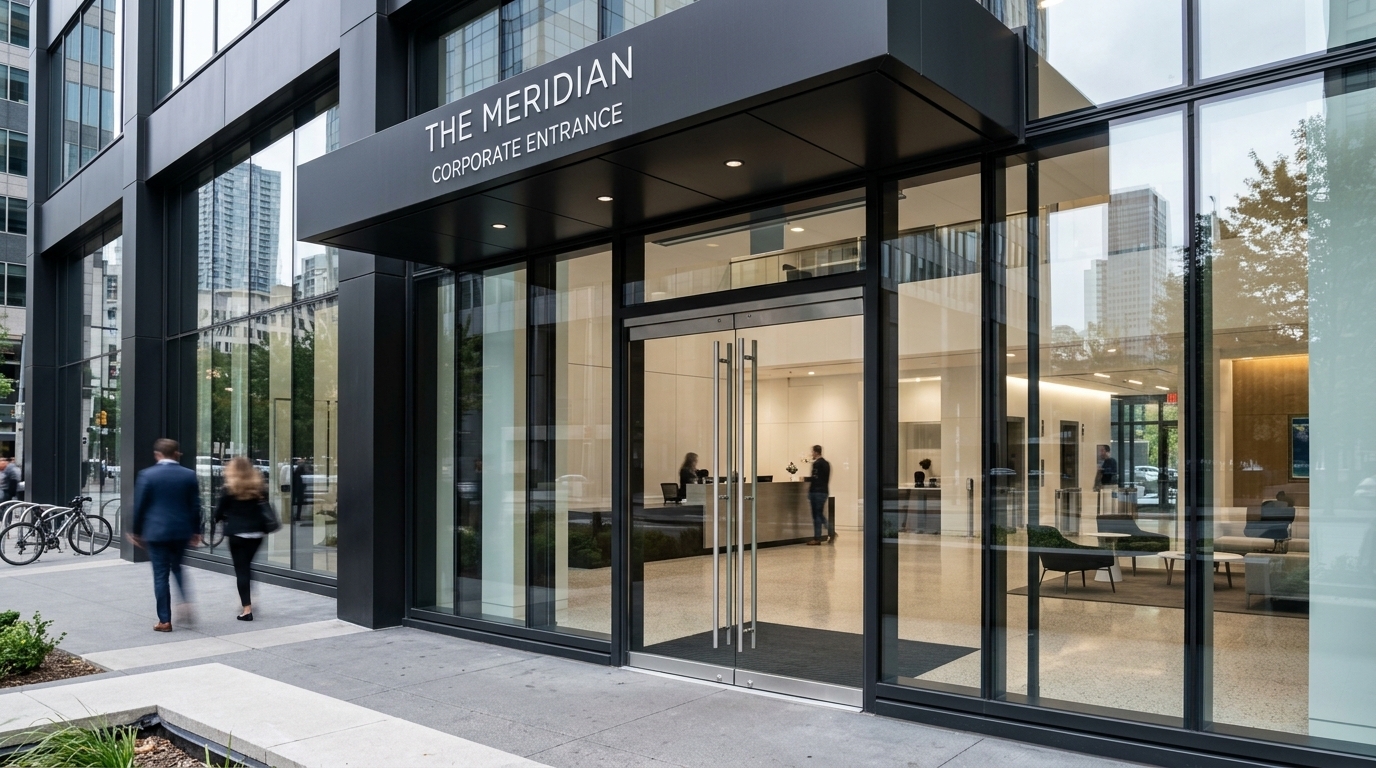
Commercial facility managers, school administrators, and security directors increasingly turn to window film to protect building envelopes.
However, installing heavy-duty safety and security film directly onto window glass addresses only half of the security equation.
Without a dedicated attachment system anchoring the film to the surrounding window frame, even the thickest security film remains vulnerable under severe impact.
Understanding how attachment systems transform standard commercial glazing into robust impact barriers is essential for protecting staff, students, and property assets.
Standard commercial glass windows represent the weakest structural boundary of any building envelope during physical security threats.
When intruders attempt forced entry or severe weather impacts glass panes, unprotected window glass shatters into razor-sharp projectiles.
Applying safety and security film holds broken glass fragments together, creating a tough flexible sheet.
An unanchored security film installation relies entirely on the factory glass edge bite inside the window frame channel.
During an intense physical impact or explosive blast wave, glass breaks across the entire pane area.
Building owners can read more about foundational glass security principles in our detailed article on 3M safety and security window film.
This frame blowout vulnerability demonstrates why high-security specifications mandate a structural attachment system.
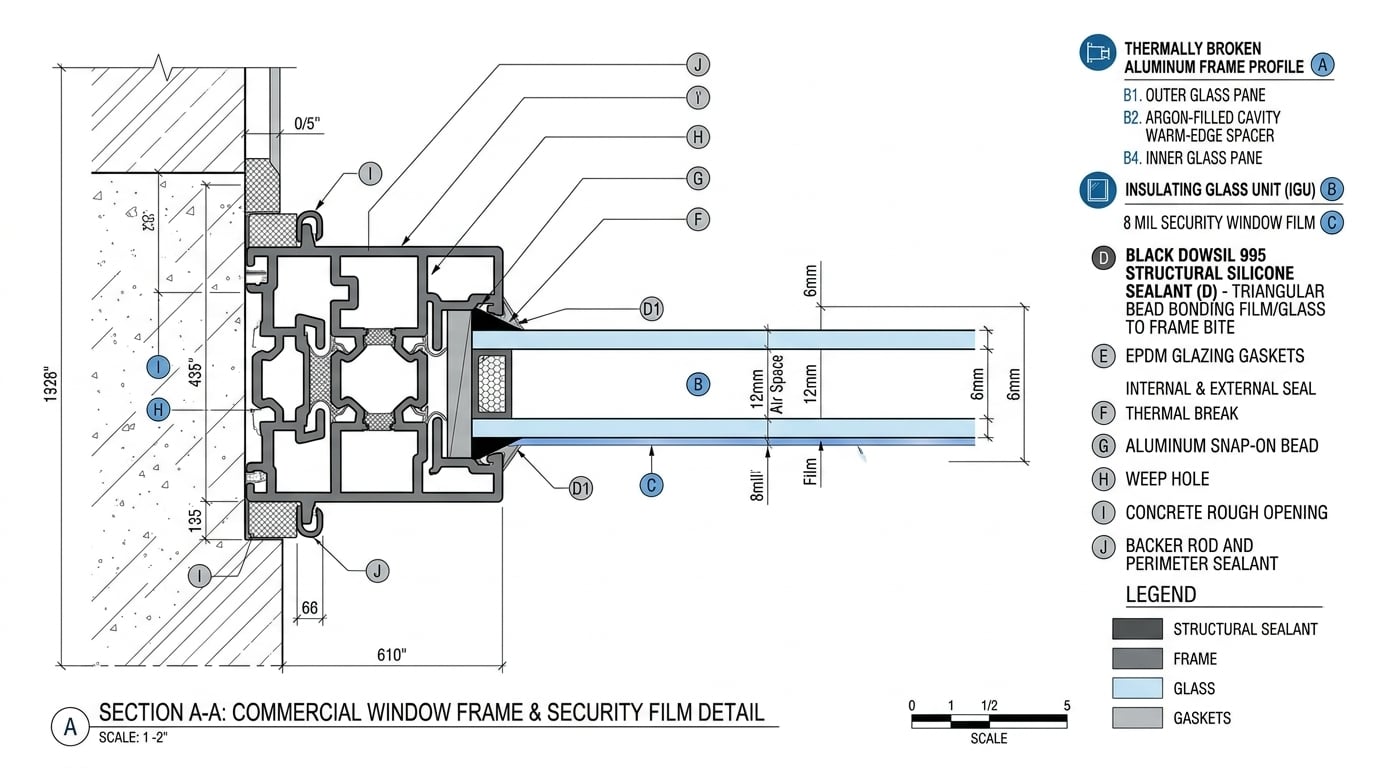
An attachment system bridges the physical gap between the security window film and the commercial window frame.
By overlapping both the film layer and the rigid metal frame, the attachment system locks the entire assembly into a unified structural unit.
When force impacts an anchored window, the security film absorbs energy while the attachment system transfers stress directly into the heavy window frame.
This structural connection prevents the filmed glass sheet from shearing away from perimeter edges.
Facility leaders can review general building security advantages in our guide on improving building security with window film.
Proper frame anchoring ensures that security film maintains building envelope protection during extreme physical attacks.
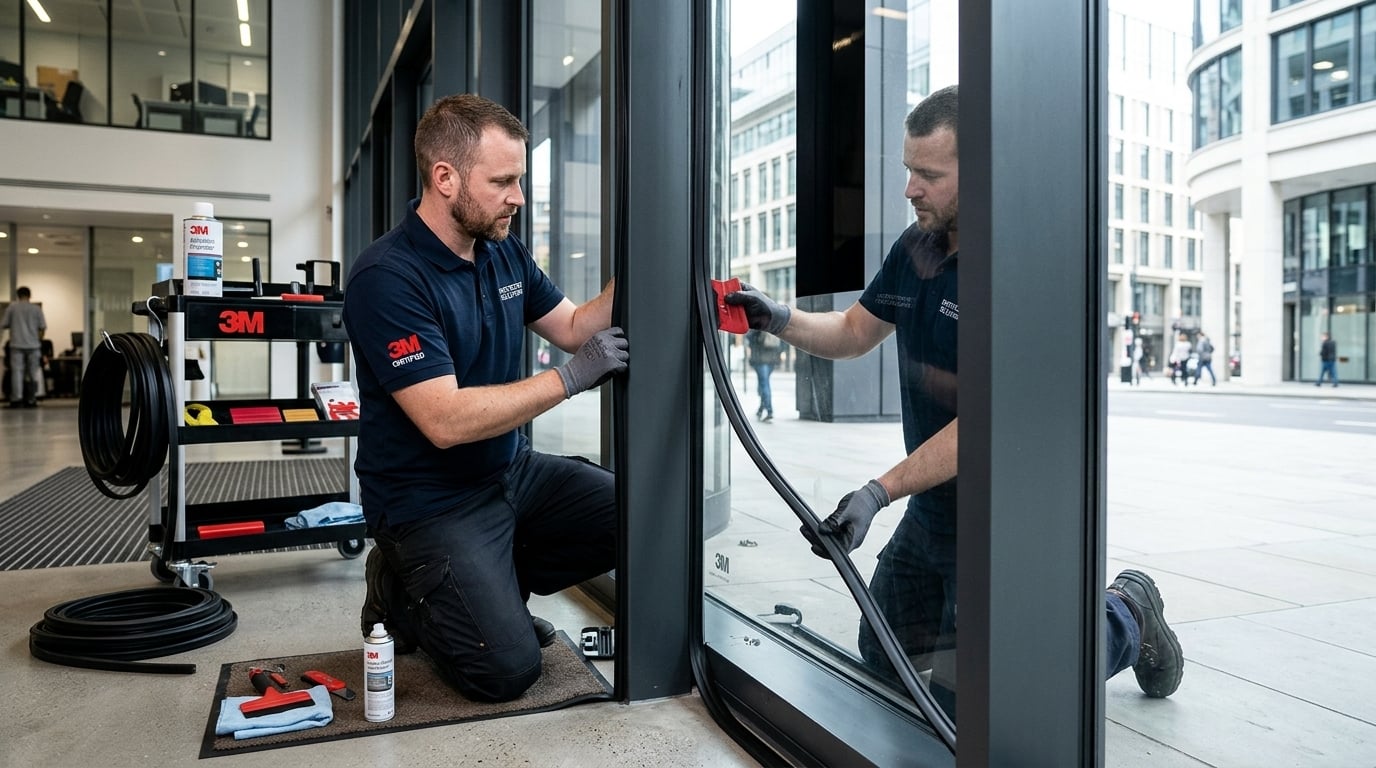
Commercial security installations rely on two main attachment methods: wet-glaze structural silicone sealants and mechanical impact protection profiles.
Both methods eliminate the frame perimeter gap, but they differ significantly in material composition, visual appearance, and application technique.
Wet-glaze structural attachment utilizes a specialized high-strength silicone sealant, most notably Dowsil 995 or 3M Impact Protection Adhesive.
Installers apply a continuous triangular bead of structural silicone connecting the security film surface to the metal window frame.
Professional application requires trimming or removing existing rubber window gaskets to expose bare frame metal.
The installer tools the wet silicone bead to establish a precise triangular cross-section for maximum shear strength.
Impact Protection Profile systems utilize a flexible EPDM rubber profile pre-fitted with high-bond Very High Bond adhesive tape.
The flexible mechanical profile adheres along one edge to the security window film and along the other edge to the window frame.
Facility directors can review broader glass protection options in our summary on the benefits of window security film.
Selecting between wet-glaze silicone and mechanical profiles depends on frame geometry, aesthetic preferences, and installation timelines.
Evaluating attachment systems requires analyzing critical operational factors that impact project schedules, visual presentation, and long-term durability.
Facility engineers must balance immediate security requirements against long-term architectural maintenance standards.
Wet-glaze structural silicone requires careful environmental conditions during application and subsequent curing phases.
Dowsil 995 silicone cures through atmospheric moisture reaction, requiring specific ambient temperatures and humidity levels.
When temperature levels drop below 50°F during installation, structural silicone curing slows down substantially.
Conversely, mechanical IPP systems bond instantly upon firm pressure application, reaching seventy percent structural strength immediately.
Architectural presentation is a primary consideration for commercial office buildings, luxury retail storefronts, and historic properties.
Wet-glaze silicone creates a smooth triangular fillet along the interior glass perimeter.
When skilled technicians tool Dowsil 995, the black or white silicone bead blends naturally into dark anodized aluminum window frames.
However, mechanical IPP profiles create a raised rubber border approximately one-half inch wide along perimeter edges.
Both systems maintain high visual appeal when installed by factory-trained security glazing specialists.
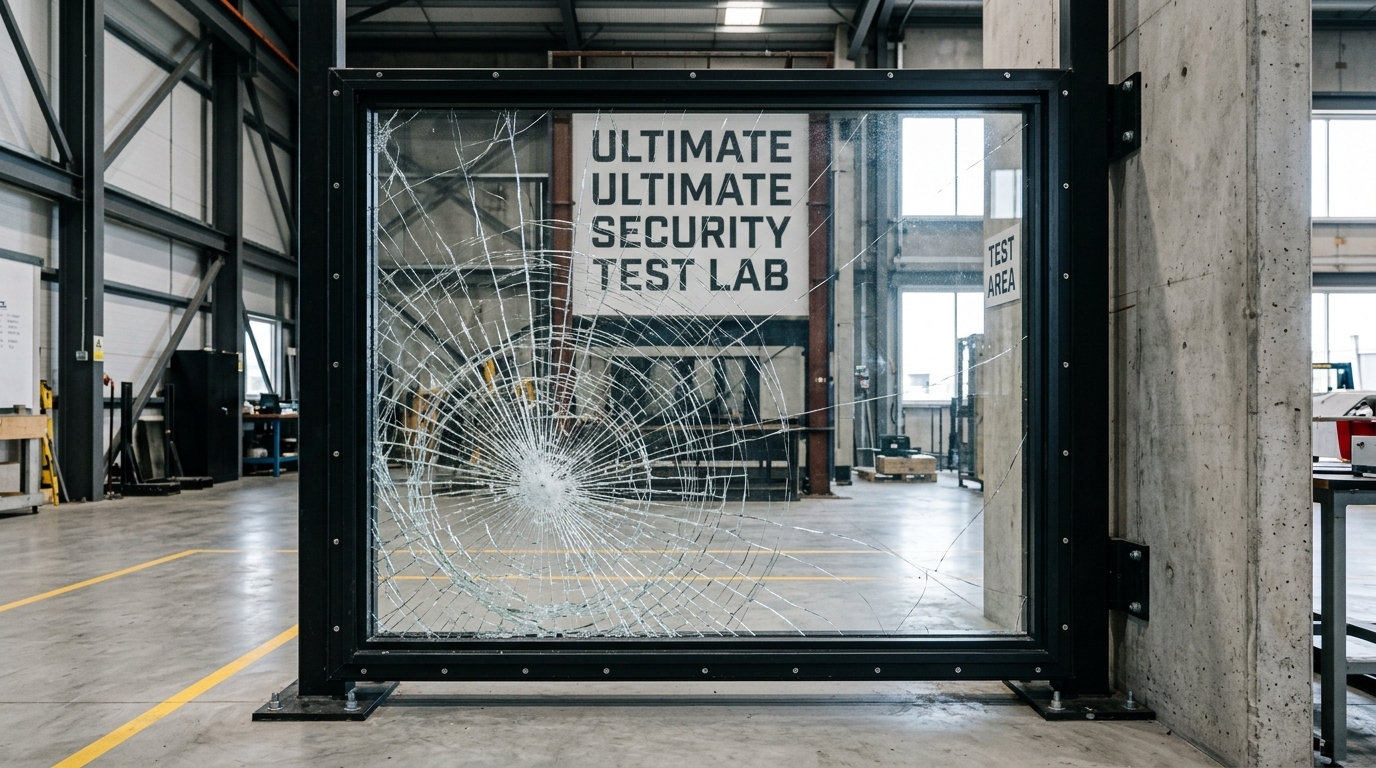
Security attachment systems are evaluated through rigorous physical destructive testing standards established by international security bodies.
Understanding these testing standards ensures facility managers select attachment configurations engineered for specific threat profiles.
The United States General Services Administration establishes strict blast hazard performance standards under GSA-TS01-2003 protocols.
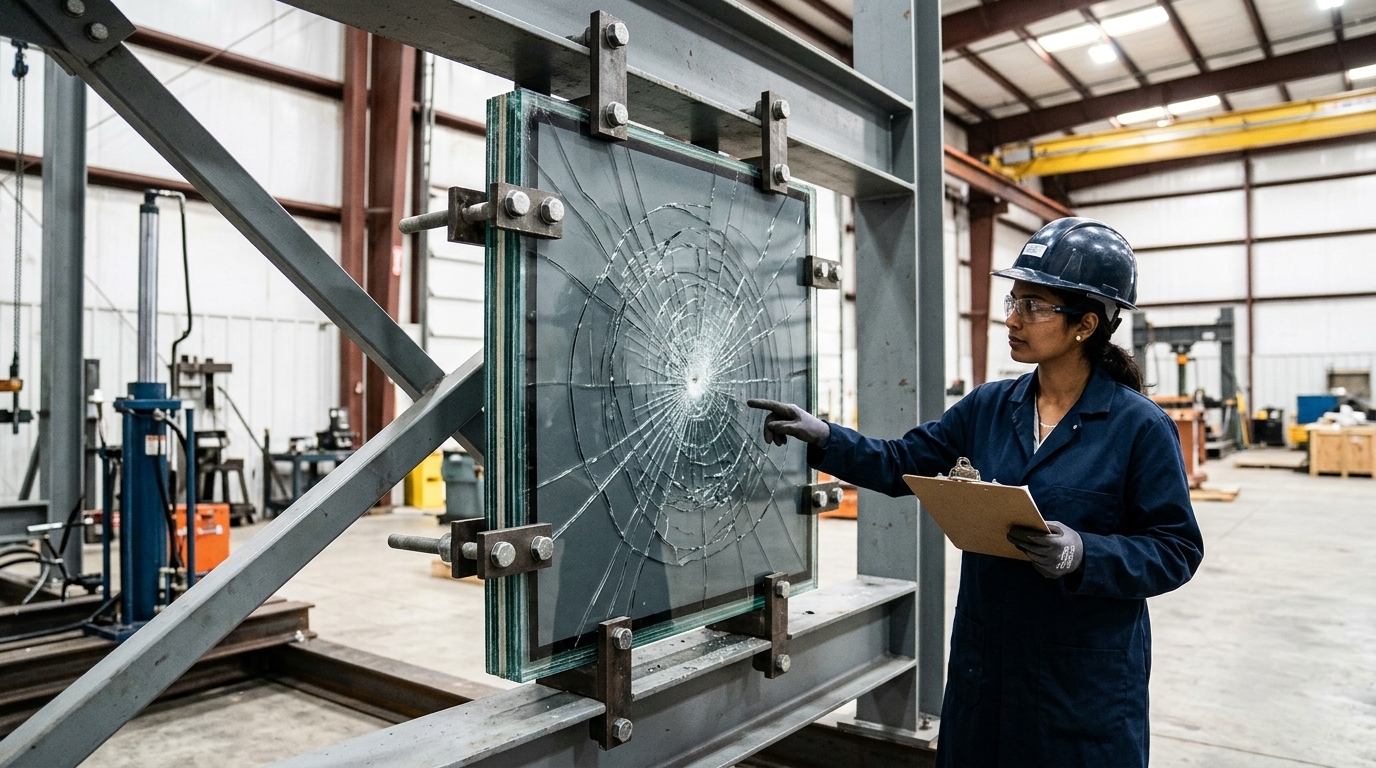
Blast mitigation testing subjects full-scale window assemblies to explosive shock waves inside specialized shock tube facilities.
Unanchored security window film typically achieves only GSA Level 4 or 5 ratings because explosive shock pressure blows the unanchored glass sheet inward.
Adding a Dowsil 995 wet-glaze or 3M IPP profile secures the assembly, elevating blast resistance to GSA Level 2 or 3b standards.
Forced entry testing evaluates how long an anchored security window film system resists sustained physical assault with blunt tools.
Testing standards like ASTM F1233 subject security glazing to repeated strikes from sledgehammers, crowbars, and baseball bats.
This physical resistance turns vulnerable storefronts and school entrance doors into formidable physical security barriers.
Choosing between wet-glaze structural silicone and impact protection profile systems requires evaluating building design, frame conditions, and security priorities.
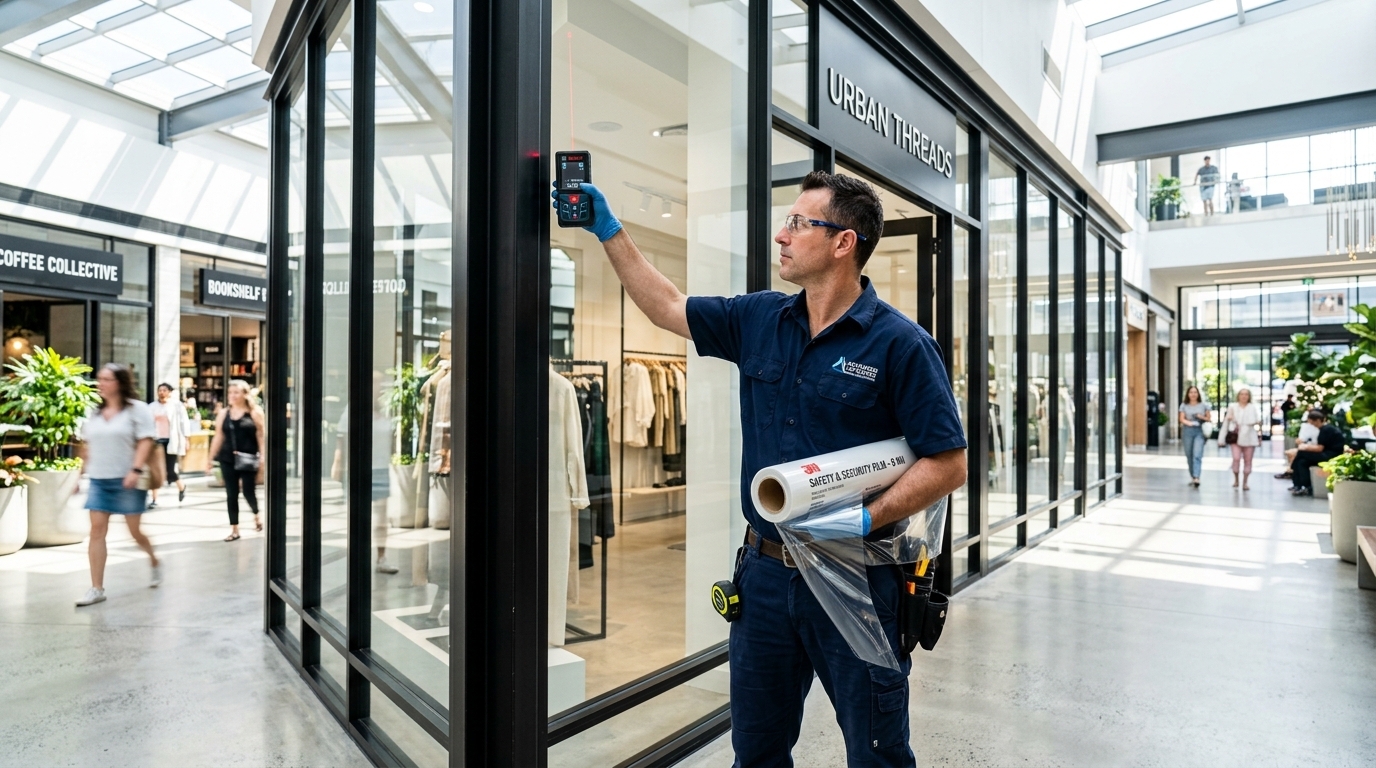
Facility managers should conduct a thorough site audit before specifying security attachment products.
The structural integrity of any security attachment depends directly on the strength of the underlying metal or wood window frame.
Installing security film on hollow or decayed window framing limits overall impact resistance.
Technicians must verify frame depth to ensure a minimum 3/8-inch contact surface for structural silicone adhesion.
If rubber gaskets cannot be removed easily, mechanical IPP systems provide the ideal surface-bonding solution.
Security window film without an attachment system holds shattered glass together, but it cannot prevent an intruder from pushing the entire broken glass sheet out of the window frame. An attachment system is essential to anchor the film to the frame, creating a true forced-entry barrier.
Dowsil 995 wet-glaze structural silicone achieves surface skin cure within several hours, but requires fourteen to twenty-one days at 77°F ambient room temperature to reach full structural tensile strength.
Both wet-glaze silicone and mechanical IPP profiles are visible along interior frame perimeters, but they are designed to match standard commercial aluminum finishes. Tooling silicone cleanly or installing black IPP profiles creates a neat, professional border that resembles factory window gaskets.
Maximizing the physical protection of your commercial facility requires specifying engineered security window film paired with certified attachment systems.
Unanchored security film leaves your windows vulnerable to frame blowouts during forced entry attempts, severe weather, and blast events.
Our certified security technicians at American Window Film evaluate your commercial framing, select optimal attachment profiles, and execute precision installations tailored to your security requirements.
Ready to reinforce your school campus, commercial office, or retail storefront with industry-certified security glazing systems? Contact the security specialists at American Window Film today by visiting American Window Film Contact Us.

No Comments Yet
Let us know what you think