

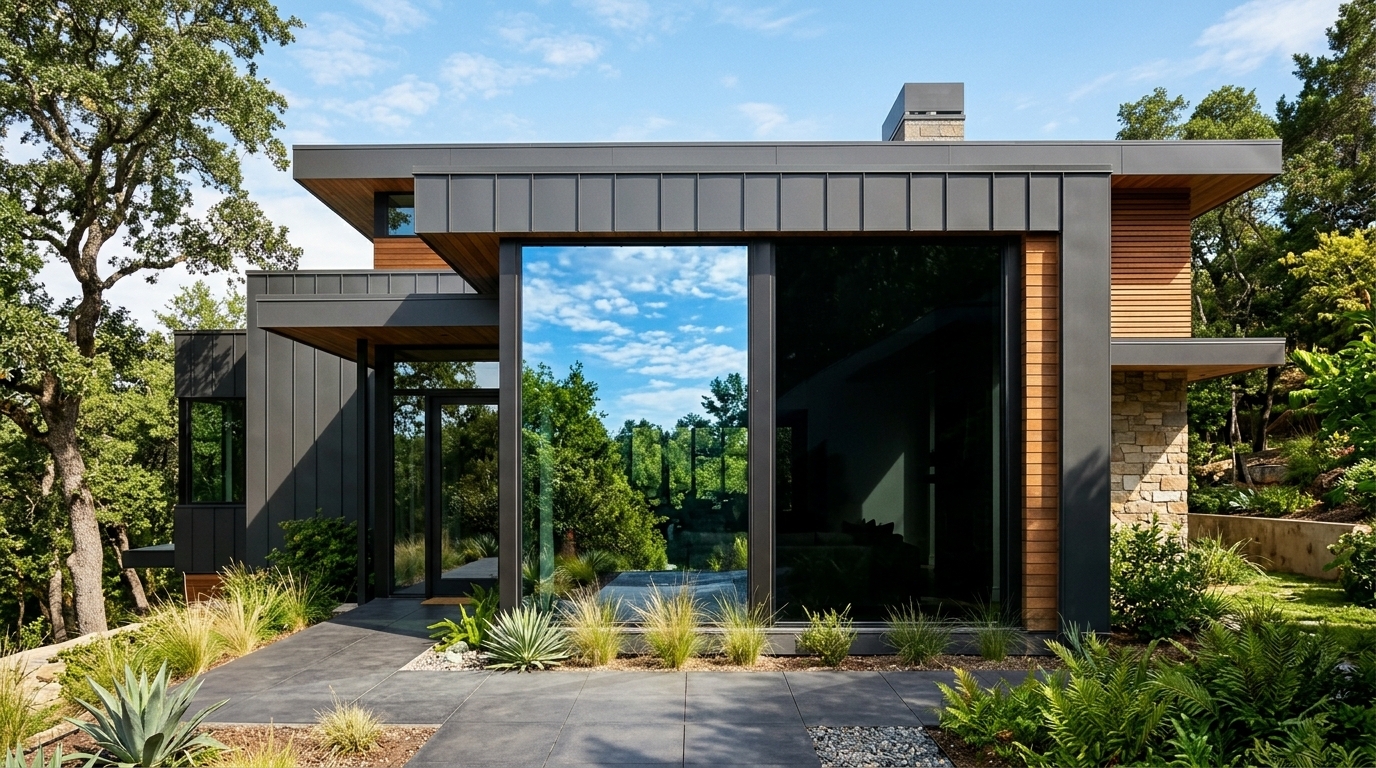
Achieving visual privacy without living behind permanently drawn curtains is a top priority for homeowners and commercial facility managers alike. Whether you need to shield street-facing living rooms from curious pedestrians or create complete darkness for daytime sleep, choosing the right window film is critical.
The two most popular privacy options, one-way mirror film and complete blackout film, operate on completely different optical principles and serve distinct functional needs.
Windows connect our interior living spaces to the outdoor world, providing natural daylight and scenic views. However, large architectural glass panes also expose personal living spaces and confidential office activities to outside observation.
Selecting an effective privacy solution requires understanding how light transmission, surface reflection, and optical absorption interact across glass surfaces.
Urban density and modern architectural trends have placed residential homes and commercial buildings closer to sidewalks, neighboring properties, and busy roadways. Ground-floor living rooms, ground-level bedrooms, and street-level storefronts often feel uncomfortably exposed to passersby.
Traditional window coverings such as fabric blinds, aluminum mini-blinds, and heavy draperies can provide privacy, but only by sacrificing daylight and blocking outdoor views entirely. Living in dark, shuttered rooms degrades mental well-being and increases daytime electricity consumption from artificial lighting.
Architectural privacy window films offer a sophisticated alternative, allowing occupants to customize visibility, control solar heat, and protect personal spaces. Homeowners can explore creative privacy options in our guide on achieving window privacy without curtains.
The human eye perceives objects through glass based on light intensity differentials. When light strikes untreated architectural glass, approximately four percent reflects off each surface, while over eighty-five percent transmits through the pane.
If the illumination level on one side of the glass is significantly higher than on the other side, the brighter side acts as a reflective surface. The darker side allows observers to see clearly into the brighter environment.
Privacy window films manipulate these optical reflection and absorption ratios to achieve specific visual effects.
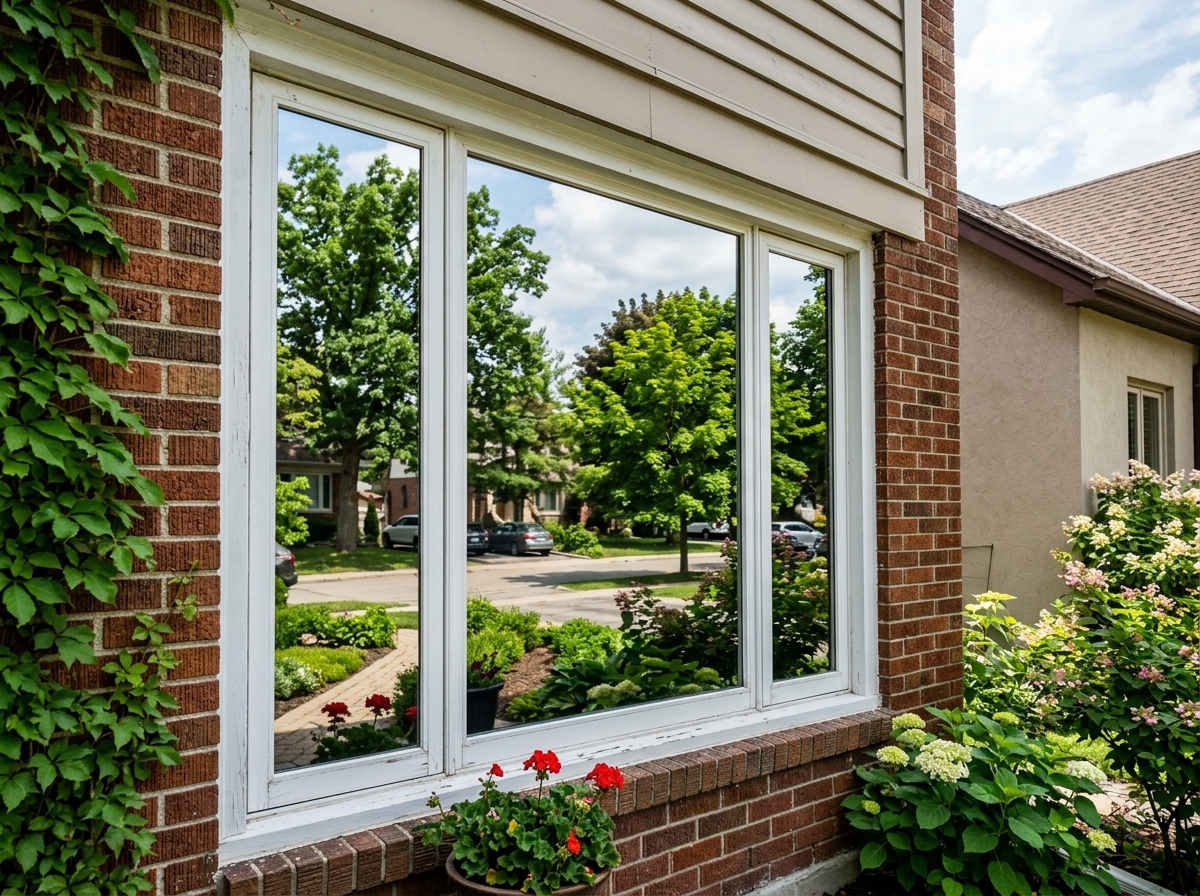
One-way mirror window film, also known as dual-reflective or silver reflective film, features a micro-thin sputtered metallic coating applied to high-clarity polyester. This metallized surface gives the exterior face a mirrored chrome appearance while maintaining a neutral, tinted view from the interior.
During daylight hours, this technology delivers outstanding one-way privacy while preserving your ability to look outside.
One-way mirror film relies entirely on the natural physics of lighting ratios. For the mirror effect to function, the exterior environment must be substantially brighter than the interior space, ideally maintaining a lighting ratio of at least four to one.
Under bright daytime sunlight, exterior ambient illumination measures between ten thousand and one hundred thousand lux. Interior living spaces illuminated by ambient light typically measure only three hundred to five hundred lux.
Because outdoor light is overwhelmingly brighter, anyone looking at the window from the outside sees only their own reflection bouncing off the metallic coating. Occupants inside look through the darker side, enjoying a clear, unobstructed panoramic view of the outdoors.
The most crucial fact homeowners must understand is that one-way mirror film cannot function as a mirror at night when interior lights are switched on. Once the sun sets, exterior illumination drops to near zero lux.
When you turn on interior chandeliers, lamps, or recessed ceiling fixtures, the interior space becomes significantly brighter than the outdoor darkness. The optical lighting ratio reverses completely.
At night, the interior glass surface becomes reflective, creating an indoor mirror effect for occupants inside. Meanwhile, people standing outside in the dark can see straight into your illuminated home with absolute clarity.
To maintain complete nighttime privacy with one-way mirror film, occupants must supplement the glass with secondary window treatments, such as roll-down solar shades or draperies, once darkness falls.
Beyond exceptional daytime privacy, one-way mirror film functions as an outstanding solar control upgrade. The highly reflective metallic coating bounces away incoming solar infrared radiation before it penetrates the building envelope.
Premium reflective films achieve Total Solar Energy Rejection (TSER) ratings up to seventy-eight percent, making them among the most powerful heat-blocking films available. They also filter harsh visible sunlight, eliminating up to eighty-four percent of visual glare on televisions and computer screens.
Commercial facilities and office complexes utilize reflective films extensively to balance climate zones and enhance corporate confidentiality. Discover how commercial buildings deploy privacy solutions in our guide on commercial privacy window film for office spaces.
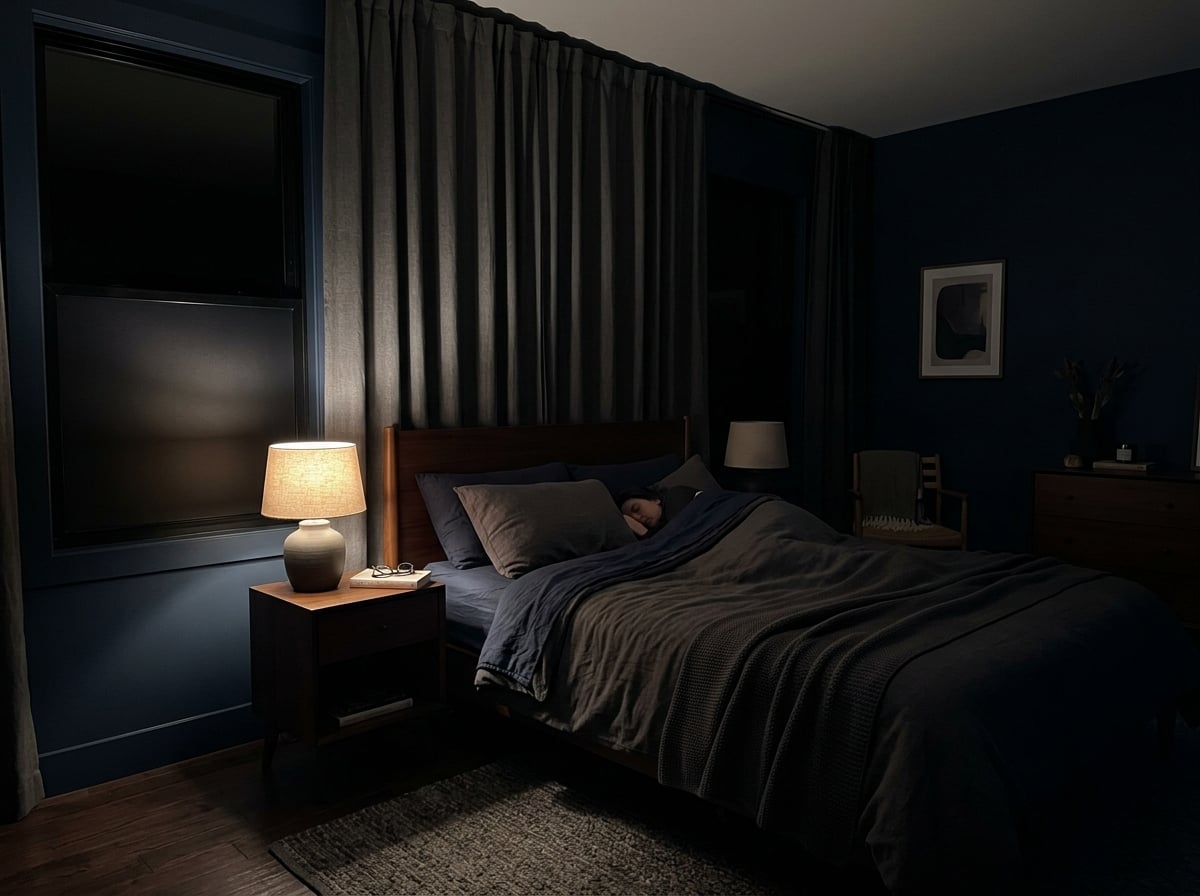
Complete blackout window film operates on absolute light absorption and physical opacity rather than lighting ratios. Engineered with opaque carbon black pigment layers, blackout film transmits zero percent of visible light (0% VLT).
Once installed, blackout film completely blocks visibility from both sides of the glass under all lighting conditions, twenty-four hours a day.
For certain specialized residential and commercial applications, any incoming ambient daylight is unacceptable. Night-shift healthcare workers, emergency first responders, and airline pilots require pitch-black sleeping environments during peak midday hours to achieve restful REM sleep.
Dedicated home theater rooms and private screening spaces require total ambient light elimination to maximize high-definition projector contrast and prevent screen reflections. Photography darkrooms, high-security server rooms, and medical laser clinics also demand complete light containment.
Blackout window film seals the window envelope completely, eliminating the perimeter light halos and edge gaps common with blackout curtains or roller shades.
Because blackout film is entirely opaque, its privacy performance is completely immune to changing lighting ratios. Whether it is bright midday sunshine or pitch-black midnight with full interior illumination, zero visual images pass through the glass.
Passersby outside cannot see silhouettes, shadows, or room movement under any circumstances. Inside occupants enjoy total, uncompromised visual seclusion around the clock.
This absolute obscurity makes blackout film popular for ground-floor bathroom privacy, street-facing garage windows, and sensitive storage rooms.
The ultimate trade-off of blackout window film is the total elimination of natural daylight and outdoor views. When applied across a window, the pane becomes a solid, non-transparent architectural surface.
Exterior aesthetics also change dramatically, as the window appears as a deep gloss black panel from the street. Occupants inside lose all visual connection to outdoor weather and natural circadian light cycles.
For this reason, blackout film is rarely recommended for primary living rooms or open-concept living spaces where natural daylight is prized. Homeowners can read our comparison of dark reflective vs clear spectrally selective window film to evaluate balanced daylight alternatives.
| Performance Feature | One-Way Mirror Privacy Film | Complete Blackout Window Film |
|---|---|---|
| Daytime Privacy | 100% One-way mirror reflection | 100% Total opacity and obscurity |
| Nighttime Privacy (Lights On) | None (Requires blinds or curtains at night) | 100% Complete privacy maintained |
| Visible Light Transmittance (VLT) | 15% – 25% (Allows natural daylight) | 0% (Total room darkness) |
| Outdoor Visibility From Inside | Clear, tinted, sunglasses-like view | Zero visibility (Opaque solid view) |
| Solar Heat Rejection (TSER) | Very High (Up to 78% heat rejected) | Moderate to High (Absorbs heavy solar heat) |
| Best Applications | Living rooms, street facades, sunrooms, commercial offices | Shift-worker bedrooms, home theaters, server rooms, photo labs |
Evaluating these clear distinctions ensures you select the exact optical profile needed for your specific space.
Before installing complete blackout window film, homeowners and property managers must understand critical glass compatibility rules. Because blackout film absorbs nearly all visible light and solar infrared energy, the glass pane absorbs tremendous heat.
On a hot summer afternoon, glass treated with black opaque film can reach surface temperatures exceeding 140°F. If installed incorrectly on incompatible glass, this extreme thermal absorption creates severe thermal stress fractures.
Standard annealed double-pane insulated glass units (IGUs) are particularly susceptible to thermal stress cracking. When the interior pane expands rapidly from absorbed heat while the outer pane or frame edges remain cooler, uneven thermal expansion can snap the glass.
Blackout film should generally only be installed on fully tempered glass or single-pane architectural float glass. For double-pane windows, professional dealers recommend exterior-applied blackout film or specialized white opaque blackout laminates that reflect heat rather than absorbing it.
Always consult an experienced architectural window film specialist to verify glass compatibility before installing opaque films.
Here are answers to common questions homeowners and property managers ask when comparing one-way mirror and blackout privacy films.
These practical answers help clear up everyday misconceptions.
No, physics dictates that no passive window film can maintain one-way privacy when the interior space is brighter than the outdoor environment. Light always travels toward the darker side, allowing people outside in the dark to see inside.
The only way to maintain one-way privacy at night is to illuminate the exterior building facade with powerful floodlights that exceed interior light levels, or close interior shades.
Yes, applying interior black opaque film to standard double-pane annealed glass carries a high risk of thermal stress fractures. Because the black film absorbs intense solar radiation, the interior glass pane experiences rapid, uneven heating.
Professional dealers resolve this issue by installing exterior-rated blackout film on the outer glass surface or specifying white opaque film that reflects solar heat safely.
Frosted window films, such as matte frost or dusted crystal, offer an outstanding middle-ground privacy solution. Frosted films diffuse light rather than blocking or reflecting it, providing complete two-way privacy day and night under all lighting conditions.
Unlike blackout film, frosted film allows seventy to eighty percent of soft, natural daylight to penetrate the room, making it ideal for bathrooms, entry sidelights, and conference rooms.
Yes, all professional architectural window films can be safely removed by certified technicians without damaging the underlying glass. Technicians use specialized heating steamers and non-toxic adhesive dissolving agents to strip the film and adhesive cleanly.
The original glass remains pristine and ready for a fresh film application or new decorative treatment.
Balancing personal privacy, natural daylighting, and solar heat control requires matching engineered film chemistry to your property unique architectural layout. Whether you want daytime one-way privacy for street-facing windows or complete blackout obscurity for daytime sleep, professional installation ensures flawless performance.
Experienced architectural film consultants evaluate your glass construction, sun exposure, and privacy objectives to engineer the optimal solution. To schedule a comprehensive privacy evaluation and receive free film samples, contact the specialists at American Window Film.

No Comments Yet
Let us know what you think