

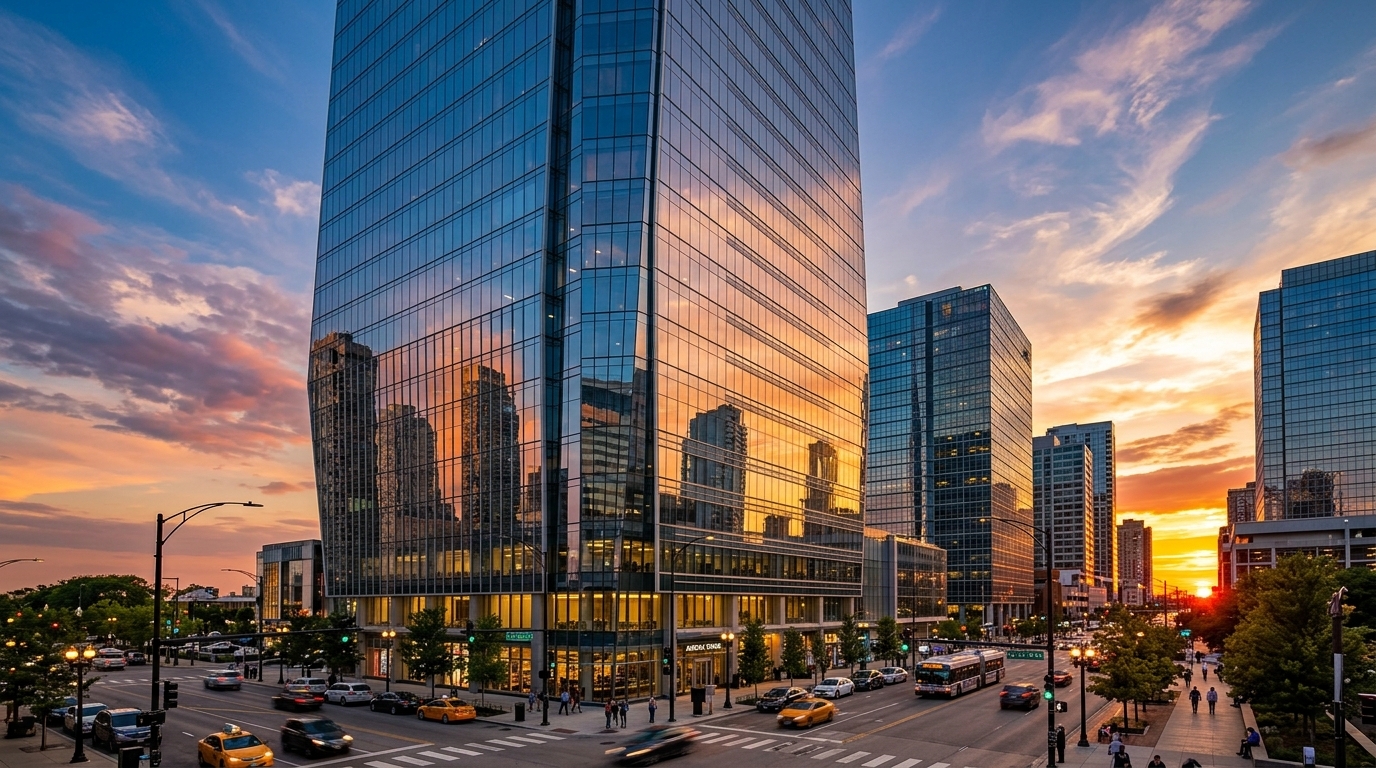
Are you looking for ways to reduce the operating expenses of your property? Energy consumption remains one of the largest single costs for any modern business facility.
Standard windows allow substantial thermal energy transfer to occur between your interior and the outside environment. This transfer forces your climate control systems to work harder to maintain a stable environment.
Understanding how much you can save helps you make informed choices about building upgrades. Installing architectural window film offers an immediate way to cut monthly utility expenses.
This upgrade acts as a solar shield to reject heat before it enters your workspace. It provides a simple, non-invasive alternative to complete glass replacements.
High energy costs can prevent you from investing in other vital building improvements. Reducing these monthly bills frees up resources for your core business.
Commercial property owners face constant pressure to lower costs while keeping occupants satisfied. Enhancing your current glass system is one of the most effective ways to meet these goals.
Utility rates continue to rise across the country, impacting your annual bottom line. Taking control of your energy efficiency is key to maintaining a competitive property.
You can future-proof your facility against these rising utility rates. Let us explore the math and mechanics behind these annual financial savings.
Real-world utility savings depend on the size of your glass envelope and your local weather patterns. A building with extensive glass facades offers the greatest opportunity for optimization.
Analyzing your building orientation and local utility rates will show the true value of this upgrade. The overall commercial building window film savings can be substantial when calculated across a full fiscal year.
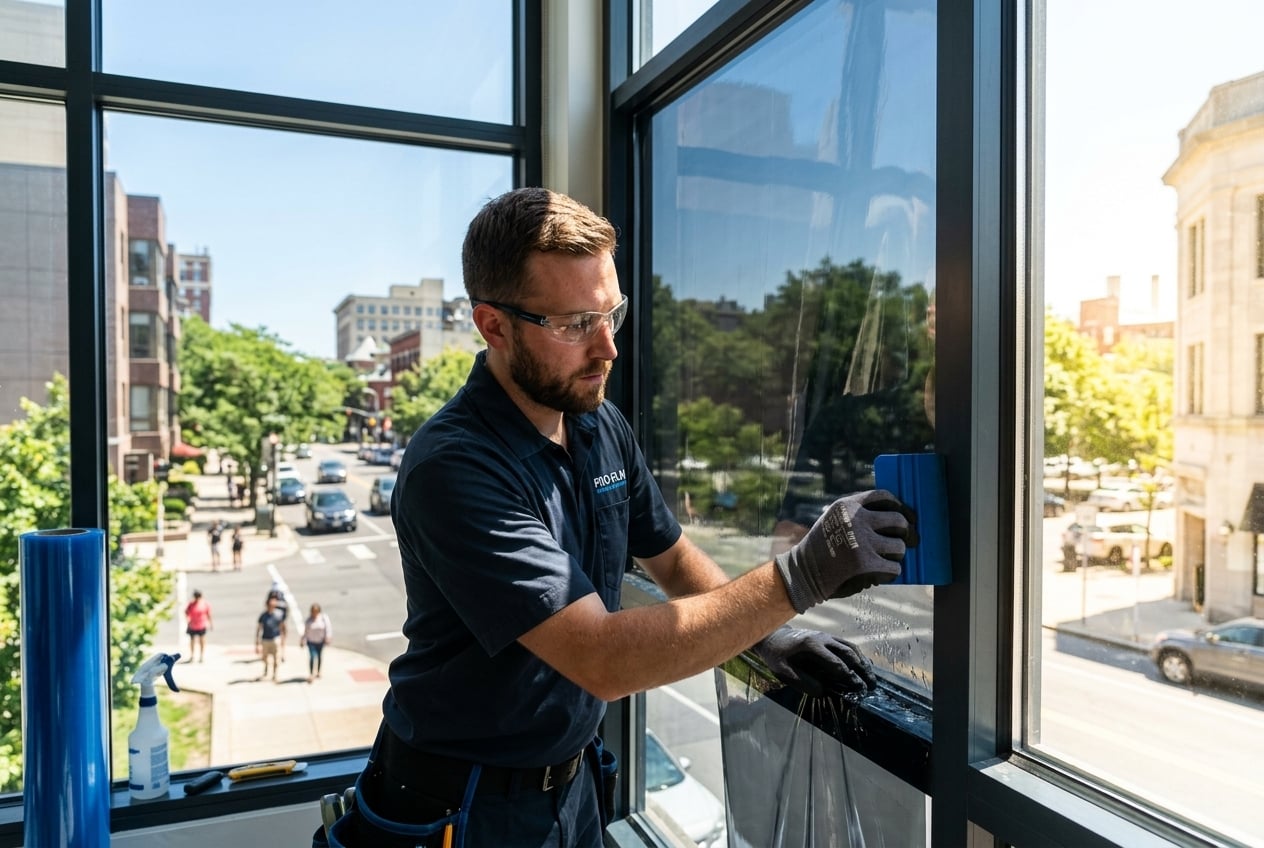
Air conditioning represents the largest draw on your electrical grid during the summer. Untreated windows allow solar heat to pass directly into your offices.
This solar heat gain raises internal temperatures and forces cooling chillers to run continuously. Installing solar control coatings reflects up to 79% of this solar heat away from the building.
Most commercial facilities experience a 10% to 20% drop in total annual energy bills after installation. Cooling-specific expenses can drop by 15% to 40% in warmer climates.
These percentage reductions translate into thousands of dollars in direct savings for large properties. You will see immediate savings on your very first utility billing cycle.
Many property managers use these savings to fund other green building initiatives. Lowering your electrical consumption makes your facility much more attractive to corporate tenants.
The exact dollar amounts will vary based on the orientation of your windows. East and west-facing glass typically shows the fastest payback because it receives intense afternoon sunshine.
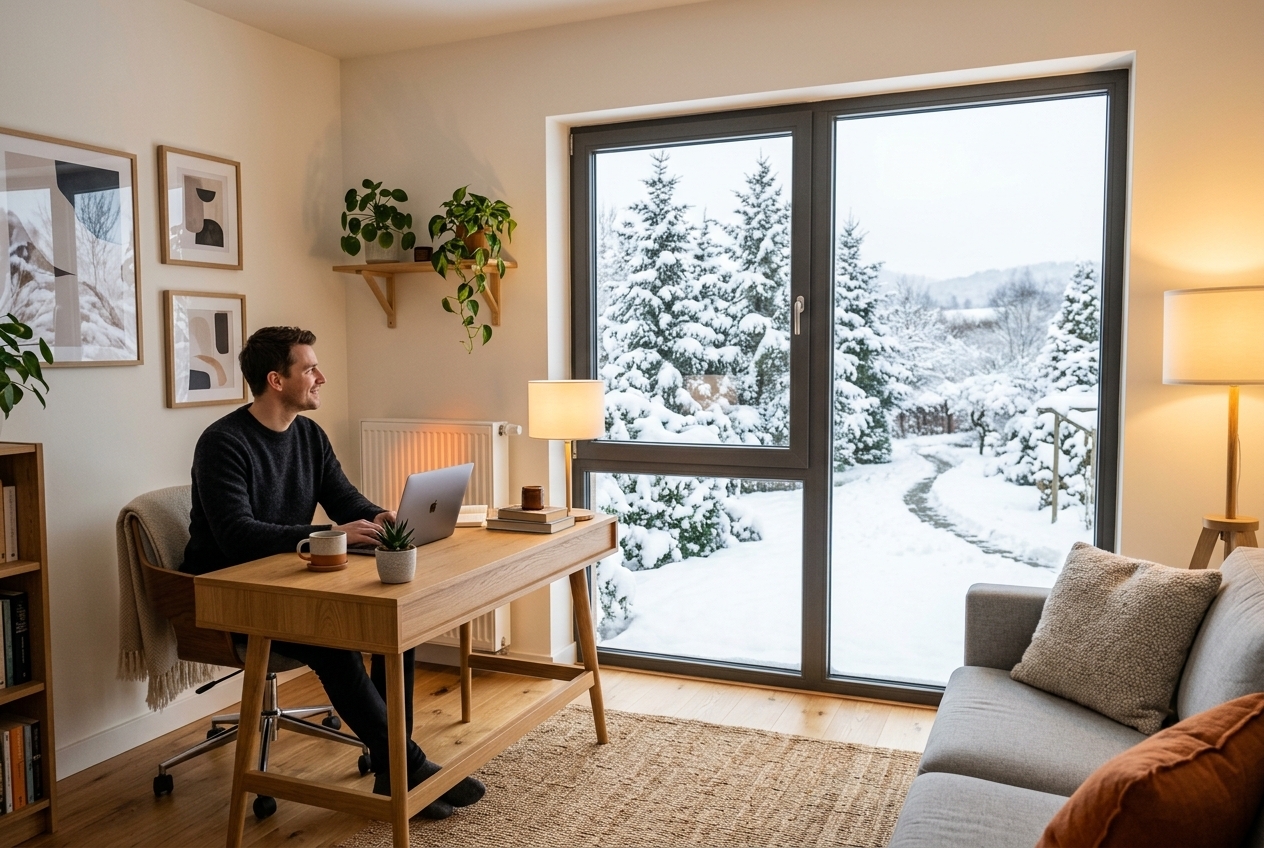
Energy conservation is a year-round challenge that does not stop when summer ends. Heat loss through inefficient glass increases your heating expenses during the winter.
Installing Low-E window film insulation helps prevent this indoor warmth from escaping. This specialized coating works by reflecting radiant heat back into your building interior.
Your heating system will not need to run as frequently to maintain a comfortable workspace. This thermal barrier improves the overall U-value of your existing single or double-pane windows.
Property managers can expect heating cost reductions of 10% to 30% during the cold season. This dual-season performance maximizes your utility savings throughout the entire year.
You get a more balanced interior climate regardless of the external weather conditions. This year-round savings potential makes Low-E films highly valuable for northern climates.
Utility companies charge commercial customers heavy premiums based on their highest single point of electrical consumption. This peak billing structure can inflate your monthly expenses significantly.
Solar control window tinting acts as a mechanical buffer to shave off these expensive spikes. Lowering your peak power draw is key to achieving maximum utility savings.
Commercial electricity bills are divided into consumption charges and demand charges. Consumption measures the total volume of electricity you use over the entire month.
Demand charges are calculated from the single highest fifteen-minute spike of electricity usage during that period. A single hot afternoon can trigger high demand fees that affect your entire bill.
Implementing energy-saving window films for office buildings lowers your consumption while dropping your peak load threshold. The coating keeps your building cool naturally, preventing sudden spikes in cooling demand.
You pay a much lower rate because your utility profile remains flat and predictable. This demand management can represent up to half of your total monthly electrical savings.
These savings are especially high during peak afternoon hours when rates are at their highest. Controlling your demand peaks protects your budget from seasonal energy spikes.
Many facility managers overlook this critical demand charge reduction when calculating project ROI. The financial impact is often much larger than simple energy conservation alone.
Localized hot spots occur when solar heat builds up in specific offices with heavy sun exposure. This localized heat forces your HVAC chillers to click on at maximum power.
The system works in overdrive trying to cool one hot room while other offices remain comfortable. This cycling behavior burns through electricity and triggers high demand rates.
Solar control window tinting intercepts solar energy right at the glass surface. This prevents localized heat from building up and keeps your indoor temperature uniform.
Your rooftop chillers will run at a steady, efficient pace instead of cycling on and off. This stable mechanical load prevents sudden power spikes that lead to heavy utility penalties.
Keeping your chillers running smoothly also reduces wear and tear on your electrical infrastructure. Your entire building operates with greater electrical efficiency.
This steady operation is highly beneficial for properties with older cooling equipment. It allows you to run your HVAC systems within their optimal performance ranges.
Solar control upgrades save facility managers significant capital by protecting mechanical and physical assets. These secondary savings directly improve the financial returns of your property.
Investing in commercial window tinting solutions protects your building assets from solar damage. You will see reductions in both maintenance requests and capital expenditures.
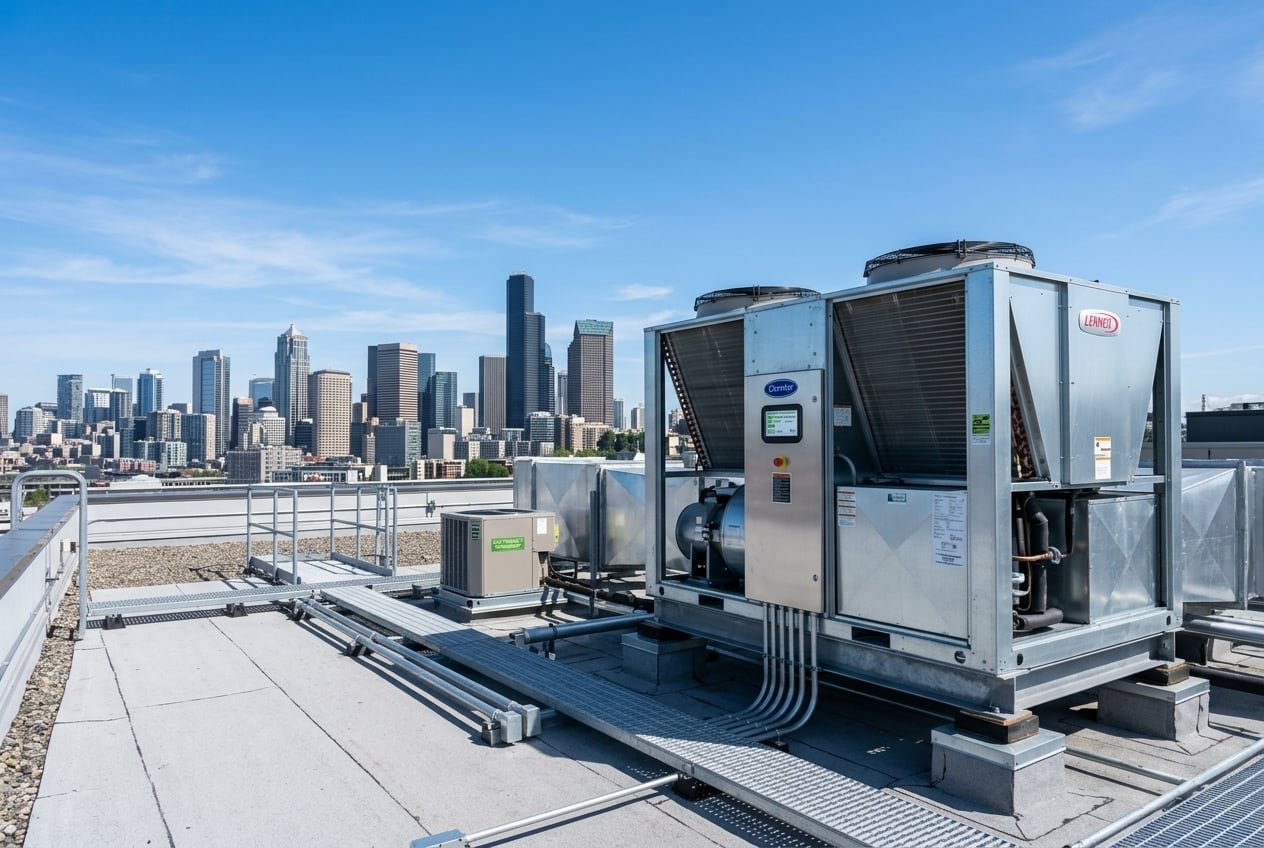
Replacing a large rooftop HVAC chiller is one of the most expensive projects a property manager can face. These systems wear out prematurely when they operate in constant overdrive.
Reducing the heat load entering your building directly correlates with extending commercial hvac unit lifespan. Your chillers will run fewer hours and experience less mechanical stress.
This operational relief can extend the lifespan of your mechanical systems by five to seven years. Deferring a major equipment replacement saves your business tens of thousands of dollars in capital.
You will also see a drop in annual maintenance calls and compressor repair bills. The savings from reduced maintenance go straight to your annual operating budget.
Regular filter changes and compressor maintenance will also become more effective. Your entire mechanical system will run at optimal efficiency for a longer duration.
Your maintenance crew can focus on other building priorities instead of constantly patching up overloaded chillers. This increases the overall productivity of your operations.
Hot offices generate frequent tenant complaints that take up valuable property management hours. Keeping occupants comfortable is essential for maintaining high lease renewal rates.
Applying solar film eliminates the uncomfortable hot spots that make perimeter desks unusable. Tenants will enjoy a productive, comfortable workspace throughout the afternoon.
Sunlight also carries destructive ultraviolet rays that damage your building interior. These rays cause rapid fading of expensive office furniture, carpeting, and lobby artwork.
Window coatings block up to 99% of these harmful UV rays to provide superior interior fading protection. This preservation prevents the need for early refurbishment and keeps your common areas looking pristine.
Maintaining a fresh interior look directly preserves the premium value of your lease spaces. Prospective tenants are more likely to sign leases in well-maintained, comfortable buildings.
Choosing between a simple glass retrofit and a full structural overhaul determines how quickly your project pays for itself. You must evaluate the initial capital cost against the long-term energy savings.
Window film represents a highly cost-effective energy conservation measure. It allows you to upgrade your building facade without the high capital expenditure of new windows.
Understanding your upfront financial commitment is the first step in calculating project ROI. The average cost to tint commercial windows ranges from seven to twenty dollars per square foot.
The exact rate depends on the size of the glass and the accessibility of your window panes. High-rise windows requiring scaffolding or lifts will naturally cost more to install.
This cost is a tiny fraction of what you would pay for new window frames and glass. The lower entry price ensures your payback period for window film is incredibly short.
Most commercial properties see a full return on their window film investment within two to five years. Some installations in warm climates pay for themselves in under eighteen months.
This fast payback makes window film one of the most popular retrofits for budget-conscious companies. You start saving money on your very first utility cycle.
You can write off the cost of the installation under standard commercial tax guidelines. This tax benefit further improves the financial viability of the project.
Replacing commercial windows is a massive project that causes severe disruption to your tenants. The process requires removing entire frames, creating noise, dust, and security risks.
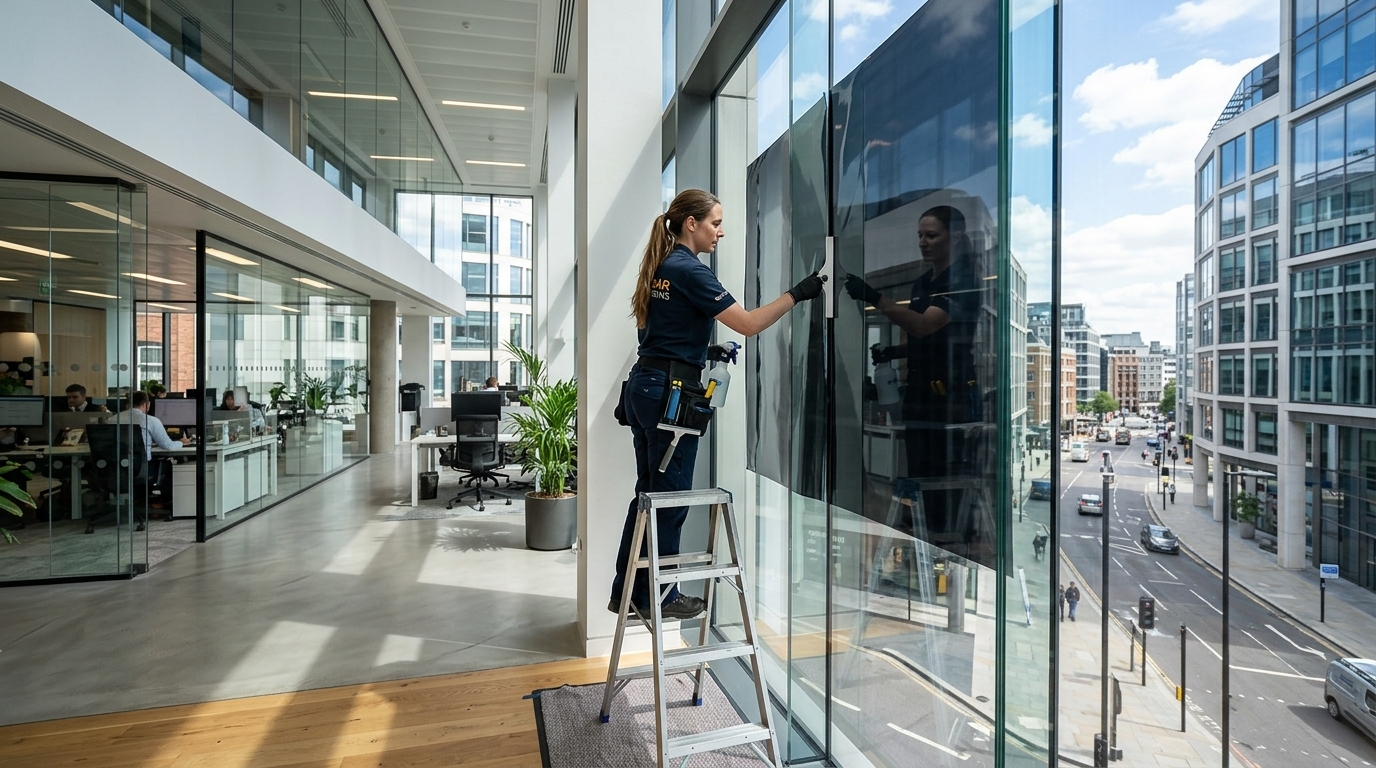
Applying window film is a clean, quiet process that takes only a few days to complete. Installers work quickly with minimal disruption to your daily business operations.
This makes retrofitting the superior commercial window replacement alternative for functioning properties. You avoid tenant complaints and potential lease termination issues due to construction.
If your building requires security or privacy upgrades alongside solar control, commercial window film for privacy is a highly efficient choice. You get multiple benefits from a single non-invasive installation.
Retrofitting also keeps your existing glass and aluminum frames out of municipal landfills. This matches the sustainability goals of modern environmentally conscious organizations.
Here are the answers to the most frequent financial and technical inquiries from property managers. Knowing these facts helps you plan your next facility upgrade.
Most commercial buildings achieve a full return on investment in two to five years. The ongoing utility savings drop straight to your bottom line after this period is complete.
Yes, installing window film can help your property earn valuable points toward LEED certification. The upgrade improves energy performance, supports recycling by preserving existing frames, and optimizes daylighting.
You can combine these leed points for solar window film with other energy efficiency upgrades to reach your sustainability targets. This enhances your property's value on the market.
Window film is much faster, cleaner, and more affordable than complete window replacement. It corrects solar heat and glare issues immediately without the high cost and tenant disruption of a major construction project.
Partnering with an authorized installer ensures your commercial coating performs at its peak rating for decades. The team at American Window Film provides professional energy analysis and precise installation services.
We help you navigate utility rebates to maximize your upfront savings. You can trust our experienced crew to deliver a clean, durable upgrade for your facility.
Stop letting inefficient glass inflate your operating expenses and frustrate your occupants. To receive a detailed energy audit and see how much your commercial building can save annually with window film, contact the experts at American Window Film today.


No Comments Yet
Let us know what you think